


 Nature
 PUBLISHED


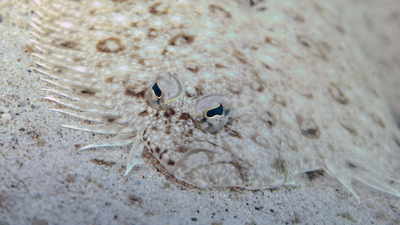


Congratulations! It’s a bouncing baby flounder. Look at its sweet, symmetrical eyes. Adorable, aren’t they? Well, take a picture, because they won’t stay there for long.
For flounders and other flatfish, it’s a rite of passage that, as they develop, they undergo a rather dramatic transformation. They begin life swimming upright with an eye on each side of their head, making them look like any other normal fish as they zoom around feeding in open water. Then, then the metamorphosis begins.
As the fish develops, one of their eyes will begin a slow migration from one side of its head to the other. Progress doesn’t happen quickly, meaning there comes a time when one of its eyes is slap bang in the middle of its head, but eventually it finds its way until both eyes are next to each other on one side of its head.
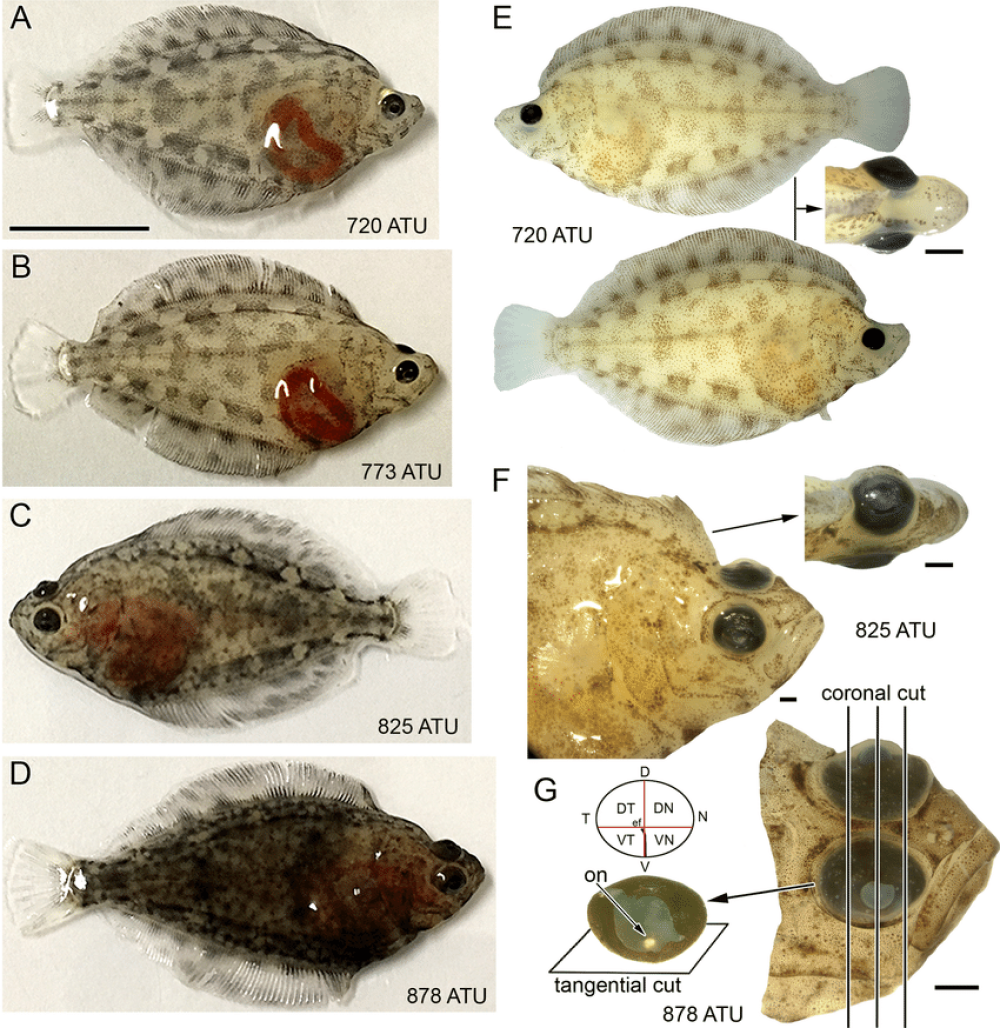
The transformation isn’t simple. It requires the skull bones to shift, and neuronal connections with it. It’s thought that the process is driven by thyroid hormones, the same kind that influence growth and development in humans.
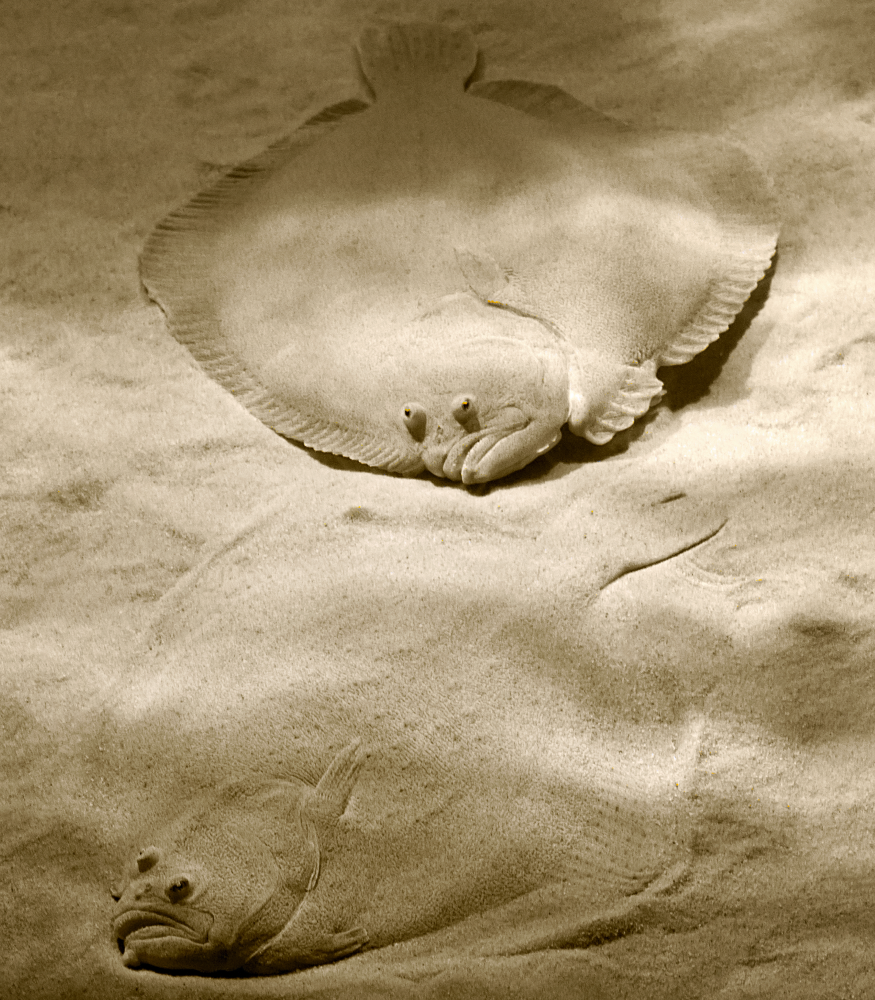
Once the migration is complete, the fish will have one side of its body that’s completely eyeless. This, effectively, becomes the “bottom”, the side of the fish that will sit on the seabed as it looks up. Another transformation is the color of their bodies, as the topside becomes camouflaged with the sand. It’s so effective that it can be hard to spot their outline even in photographs.
While relaying the foundations of your face as you hurtle into adulthood might seem like a rather dramatic kind of puberty, it’s highly effective. Flatfish and flounders with these asymmetric peepers become masters of the seabed, able to watch everything that’s going on above them from the safety of looking like a patch of sand. In fact, how much time they spend on the seabed seems to be linked to quite how wonky their faces have gotten.
A 2020 paper studying the cranial asymmetry of the flatfish Solea senegalensis found that the degree to which a fish’s eye migration had progressed influenced its behavior. “The different frequencies of eye preference during migration, completeness of the eye migration, and settling side suggest that they are determined by different genotypes and imply independent evolutionary events during flatfish evolution,” wrote the authors. “We found that the swimming time may be related to the completeness of eye migration, and further the migration of the eye, the more time the fish spent at the sea bottom.”
So, if you had some rough teenage years tackling acne, perhaps it’s some consolation to know at least you got to keep your eyes on the right side of your face.




 1
1