Humans
 PUBLISHED


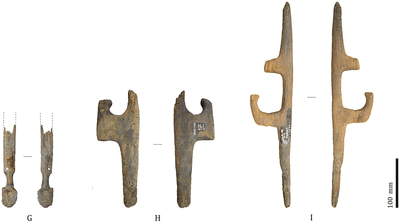


Prehistoric hunter-gatherers in Chile used a weapon called an atlatl to slaughter the wild ancestors of llamas and alpacas at least 5,000 years ago. Discovered on the Atacama Desert coast, these ancient armaments are the earliest of their kind ever found in the Andean region.
Atlatls were handheld rods that were used to launch spears or darts, and were first invented by Eurasian hunter-gatherers around 25,000 years ago. Researchers have long suspected that these ancient hunting weapons were brought over to the Americas by the first wave of immigrants that crossed over from Siberia to Alaska, and that atlatls formed part of the earliest American hunting toolkits.
However, because atlatls were typically made of wood, they rarely survive in the archaeological record and their history of use in the Americas remains unclear. According to the authors of one recent paper, the weapon may not have reached the continent as early as we thought, and they probably first appeared in North America less than 10,000 years ago.
In South America, evidence for the use of atlatls is even more patchy. Among the few sites where large numbers of these weapons exist is Caleta Huelén 42 in Chile. First excavated in the 1970s, this site contains 12 atlatls alongside the remains of at least 18 people, dated to between 6,500 and 4,000 years ago.
Revisiting these artifacts, the authors of a new study managed to obtain radiocarbon dates for two of the atlatls at Caleta Huelén 42, revealing that they are around 5,000 years old. This makes them the oldest known instruments of their kind in the Andean region.
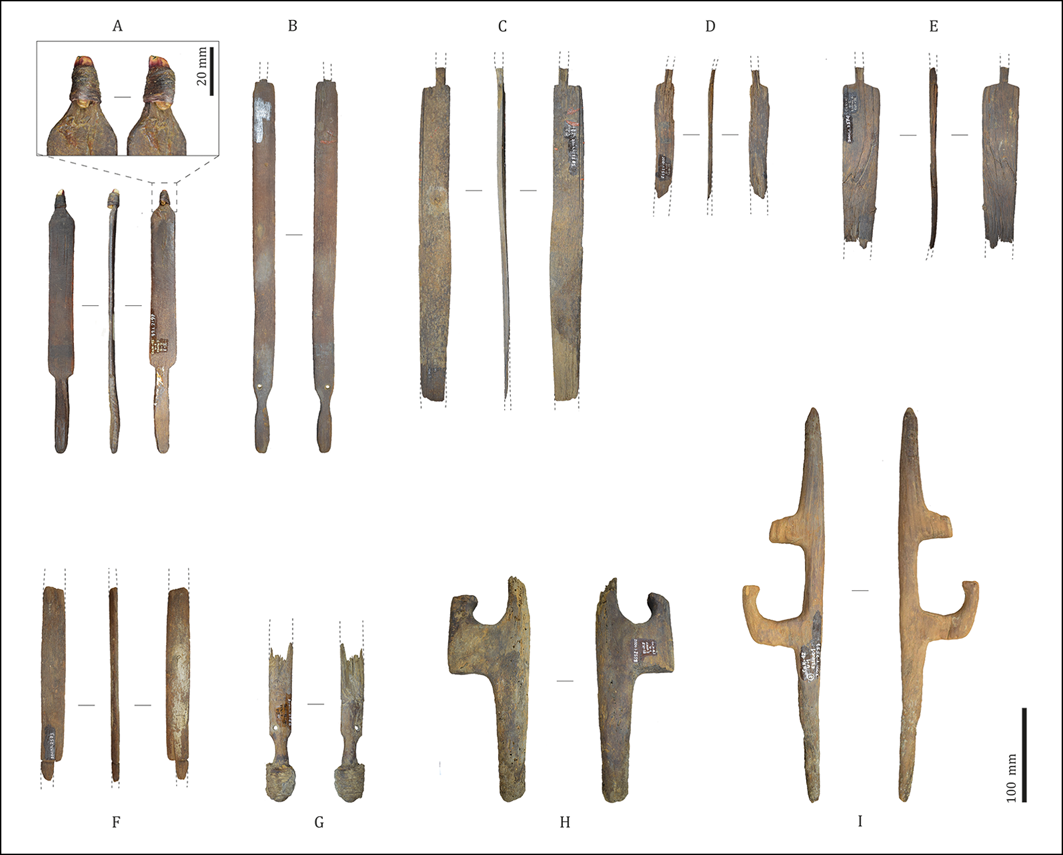
“Re-examination of the Caleta Huelén 42 spear-throwers and their designation as the earliest directly dated examples currently known for the Andes reopens debate surrounding this distinctive hunting technology,” write the authors.
“Our study demonstrates that these devices were in use along the littoral of the Atacama Desert in northern Chile from at least 5,000 [years ago],” they add.
Located just 900 meters (2,950 feet) from the shoreline, Caleta Huelén 42 probably saw a lot of fishing action, and the remains of fishing lines and harpoons have also been recovered from the site. The wrath of the atlatl was therefore likely reserved for terrestrial animals like guanaco and the vicuña, which later gave rise to domesticated camelids such as llamas and alpacas.
However, the authors also state that the atlatls may have been wielded during interpersonal conflicts, and could have been used on people as well as animals.
Interestingly, a few of the atlatls found at the site were miniature, opening up the possibility that they may have been intended for use by children while learning to hunt. Yet the researchers are reluctant to make any definitive claims about the purpose of these smaller weapons, instead urging further investigations into the history of these items.
The study is published in the journal Antiquity.