Nature
 PUBLISHED


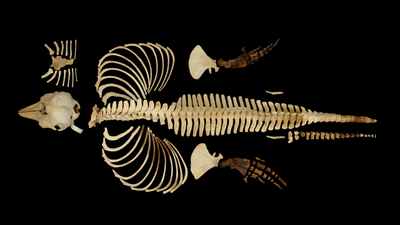


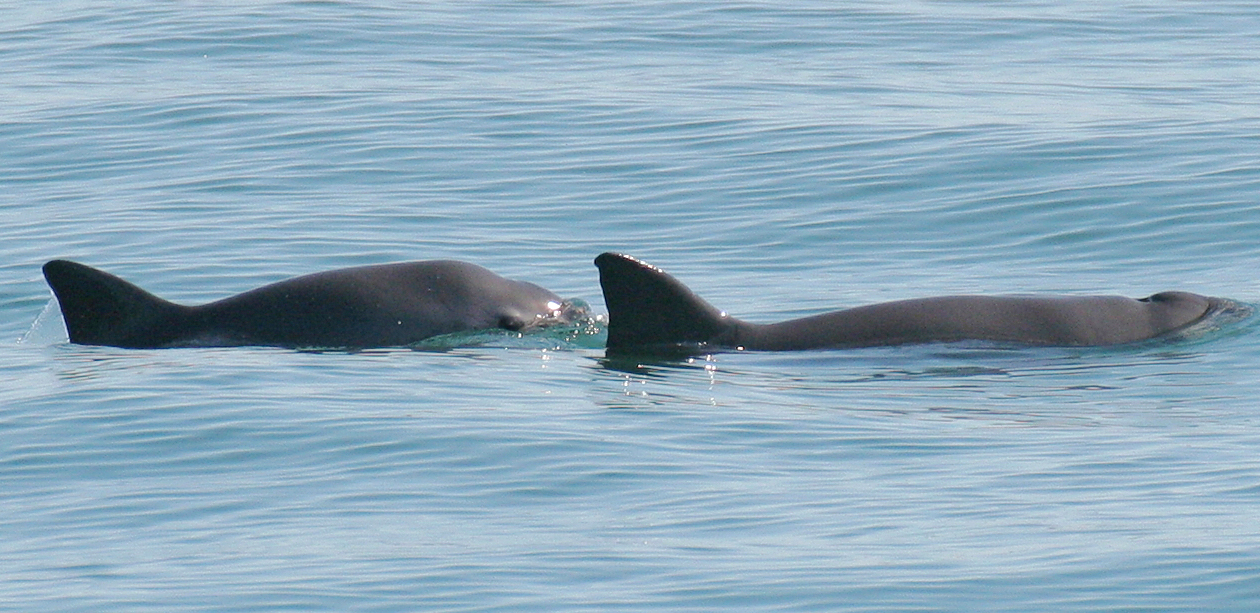
Sometimes a piece of news can be both good and so, so depressing. Take this week’s story out of Florida, for example, which sees the vaquita, one of the most elusive and mysterious marine mammals on Earth, finally mapped and recorded at the most basic level. Is it exciting? Yes, of course – but it’s also a stark reminder of just how close to complete extinction this tiny porpoise is.
“By combining advanced imaging technologies with open-access data sharing, the effort not only safeguards a valuable record of one of the planet’s most endangered marine mammals, but also makes that information accessible to anyone,” said Jamie Knaub, an imaging lab assistant and doctoral student at Florida Atlantic University (FAU), and first author on the project, in a recent statement.
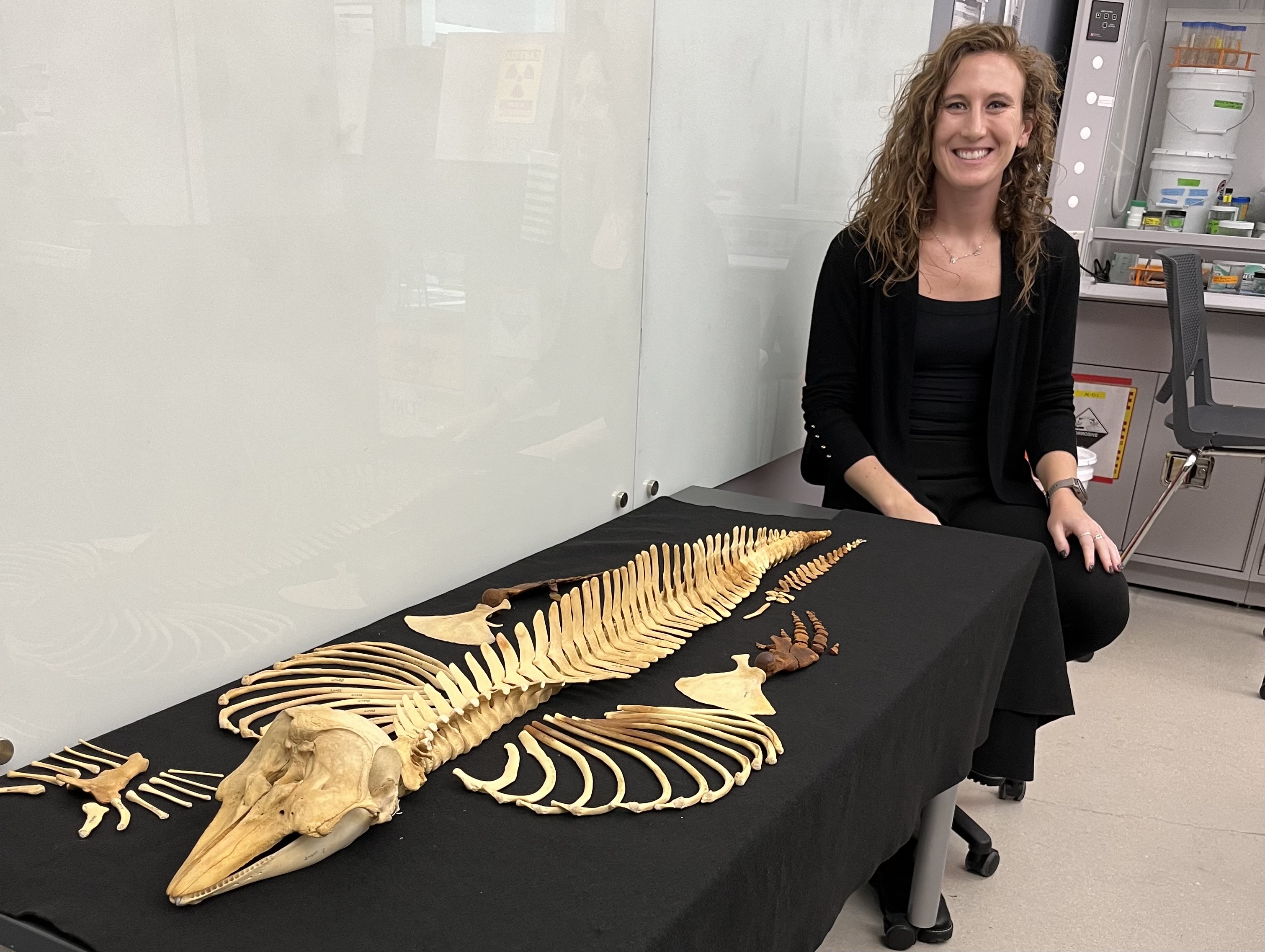
“The project will enable the production of scientifically accurate replicas for museums, classrooms and educational programs,” Knaub said, “helping to raise awareness and support conservation efforts for a species now teetering on the edge of extinction.”
The project is a true collaboration: it’s based on a female vaquita specimen initially held at the San Diego Natural History Museum since 1966, then lent to SeaWorld California for a year in March 2024. There, it was imaged by researchers at the San Diego Zoo Wildlife Alliance.
After the soft tissues were removed, it was finally sent to FAU, where the skeleton was laid out, inventoried, and digitized using the advanced equipment at the University’s Berlin Family Bioimaging Lab.
And, despite being six decades in the making, it’s also a project that would have been impossible to complete until now.
“Having access to high-resolution micro-CT systems, alongside the expertise to process and reconstruct large, complex datasets, was essential to transforming raw scan data into usable 3D models,” pointed out Tricia Meredith, director of research for FAU’s on-site lab schools and coauthor of the project.
“This kind of integrated technological environment is what allows specimens like the vaquita to be preserved and shared at a level of detail that simply wasn’t possible until recently.”
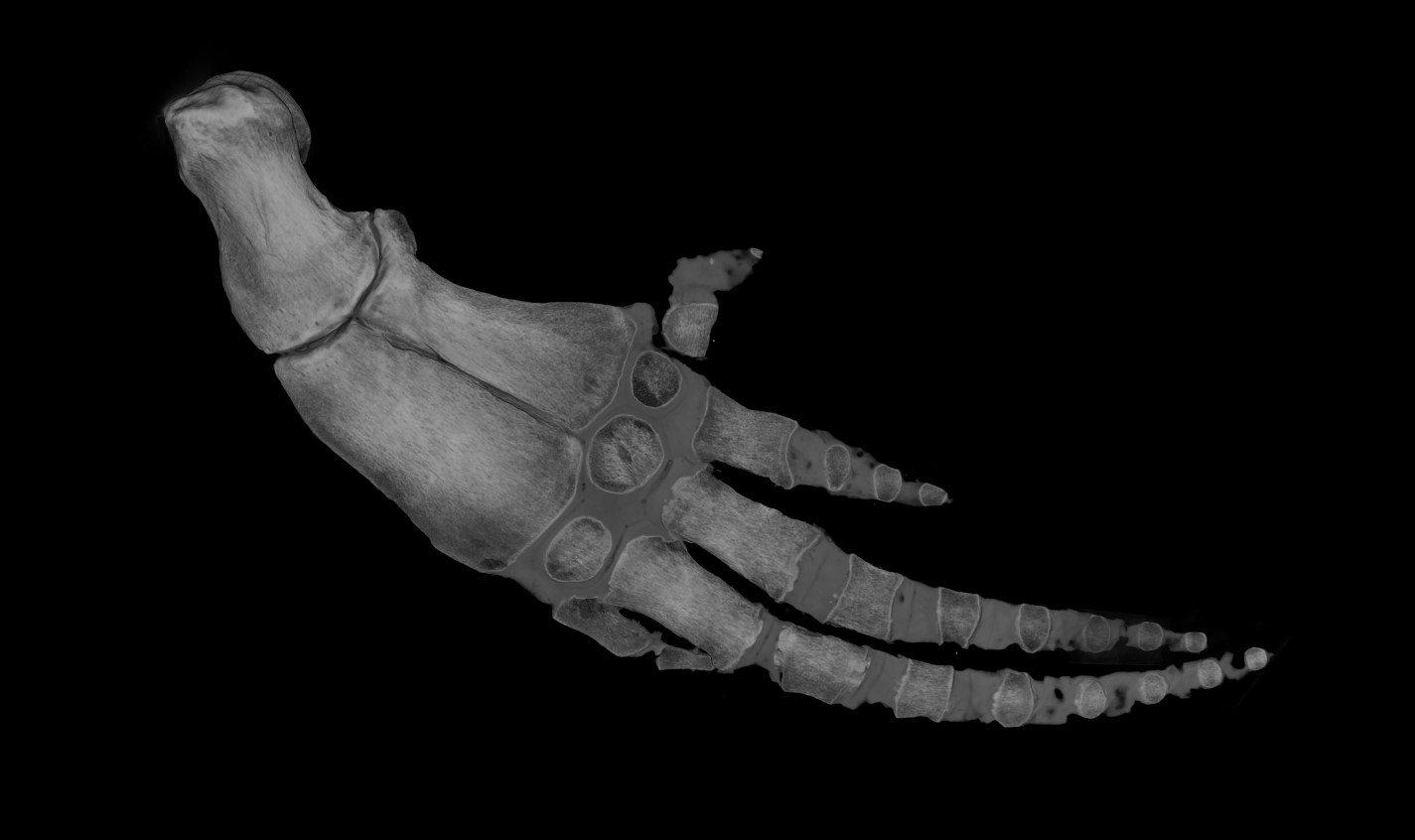
With fewer than a dozen vaquitas thought to be left in the wild, and the few specimens held in museums being as fragile as they are, the new virtual vaquita is set to be an invaluable resource for science and conservation communication going forward.
Most people will never see a live vaquita – even if they weren’t rare to the point of extinction, they’re also only found in one place in Mexico – but now, thanks to the Vaquita Digitization Project, everyone can access some of the most high-quality and accurate 3D models of the animal.
Unfortunately, with the way things are going for the enigmatic little porpoises, such digital mementoes might soon be all that’s left of them.
“Given the vaquita's status as critically endangered and the significance of each specimen, all efforts should be made to preserve the vaquita digitally,” write the team. “This dataset serves as an accessible, permanent digital record of one of the rarest mammals on Earth, safeguarding invaluable morphological data for future research and education.”
“By making this dataset openly available, we aim to support ongoing marine mammal science,” they conclude, “while also promoting awareness of biodiversity loss and inspiring further conservation efforts for the vaquita and other species facing extinction as the result of human impact.”
The study is published in the journal Marine Mammal Science.



 1
1