Nature
 PUBLISHED
 1
1


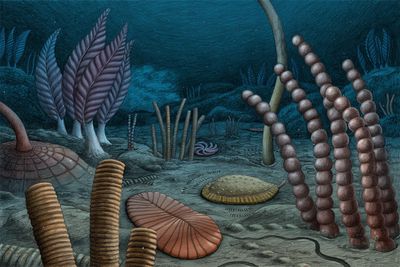


Animals have been getting laid for way longer than previously realized. Thanks to a discovery in the far-flung mountains of Canada, the origins of sex have been pushed back by millions of years.
The evidence comes from a fossilized Funisia, a deeply unsexy animal that looked a bit like a coral. Although fairly uncharismatic, they are the earliest known organisms to reproduce sexually.
These squishy-bodied creatures would have been immobile, anchored to the seafloor. Sex, therefore, would not have been achieved by prowling the oceans in search of a hook-up, but by squirting sperm and eggs into the water column, allowing these reproductive cells to meet and mingle. No dating apps required.
Palaeontologists recently discovered fossils of the Funisia genus in the Mackenzie Mountains, a remote part of Canada's Northwest Territories, alongside the fossils of over 100 multicellular animals, known as Ediacaran biota. With the bed dated to around 567 million years old, it's around 5 to 10 million years older than any other early animal known to reproduce sexually.
Funisia was a pioneer of the very first sexual revolution. For billions of years, life had existed on Earth, but it was dominated by simple lifeforms that reproduced asexually by simply copying themselves, essentially splitting in two and budding off clones.
Sex changed everything. By combining DNA from two individuals, it turbocharged evolution, generating variation that massively outpaced asexual reproduction. Starting from simple coral-like blobs, this novel form of reproduction paved the way toward the diversity of creatures that swim, fly, and walk the planet today.
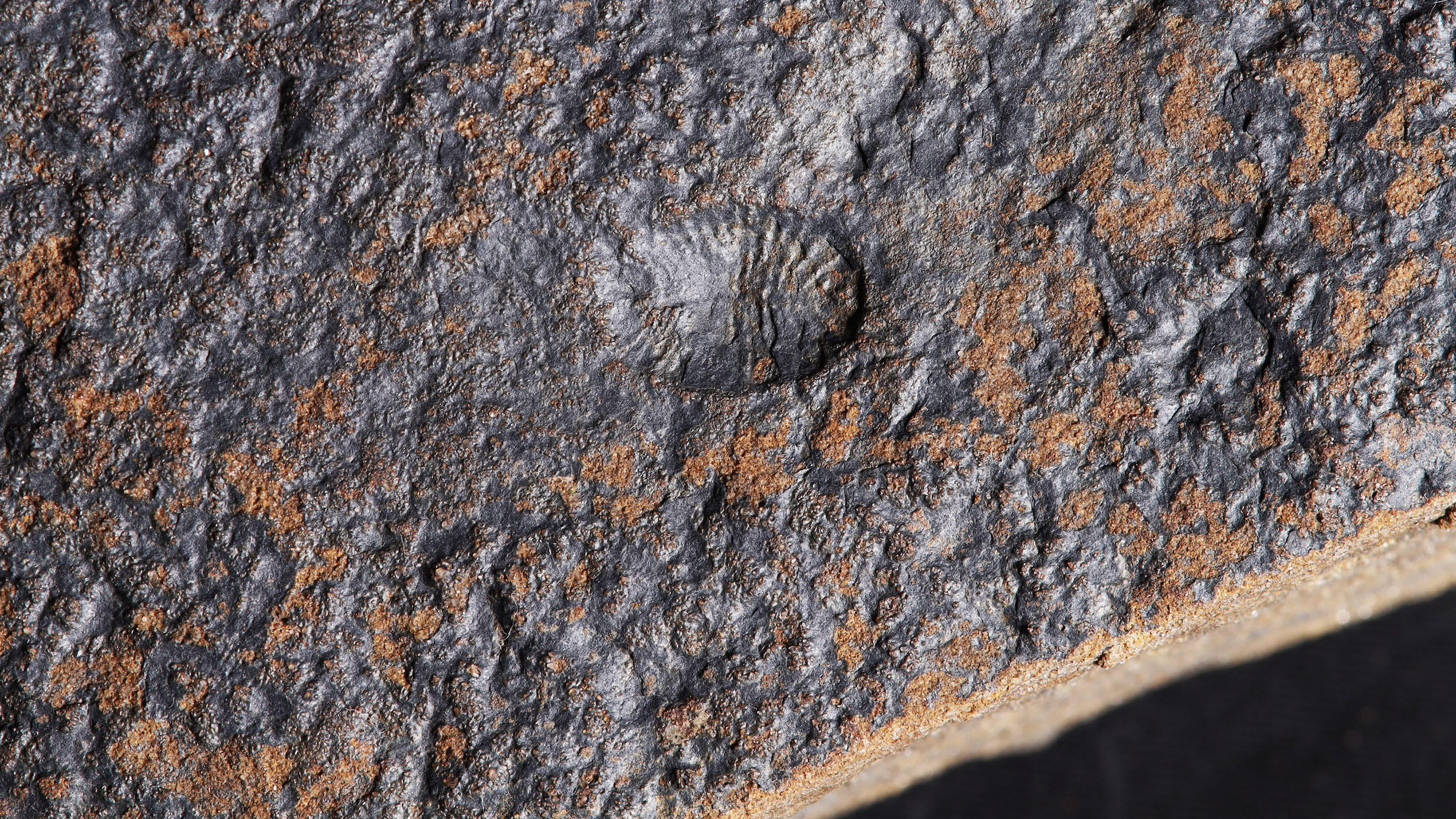
“For 3 billion years, life on Earth was dominated by microbes. Then, all the sudden, we get these strange-looking marine animals big enough to see and capable of behaviors we would find familiar today,” Scott Evans, the study’s lead author and assistant curator of invertebrate paleontology at the American Museum of Natural History, said in a statement. “If we want to understand this transition, when life first became large, complex and unmistakably animal, this new site has tremendous potential.”
When studying the Ediacaran fossil record, scientists generally divide it into three broad chapters: the Avalon (575-559 million years ago), White Sea (559-550 million years ago), and Nama (550-538 million years ago). The Avalon assemblage is the oldest, defined by simple, deeper water organisms. It's followed by the White Sea assemblage, characterized by larger, more varied animals. Finally, there’s the Nama assemblage, which includes some of the earliest complex animals with hard shell-like parts.
The latest finds from Canada come from the White Sea assemblage, which has previously been found in Europe, Asia, and Australia, but never in North America. At 567 million years old, it is also remarkable because it's also around 5-10 million years older than previously documented White Sea specimens.
Crucially, the site appears to represent a much deeper-water environment than previously recognized for the White Sea assemblage. This, the researchers say, backs up the view that sexual reproduction and evolutionary innovation were first pioneered in the deep, dark ocean, before spreading to the rest of the oceans and beyond.
“These results suggest a pattern where evolutionary innovation begins in deeper environments and later spreads toward the coast,” Evans notes. “We think of the deep ocean as a dark, inhospitable place, but it is also relatively stable, with few fluctuations in things like temperature and oxygen essential to most animal life. This stability may have provided key opportunities to support early animal life.”
The study is published in the journal Science Advances.