Nature
 PUBLISHED


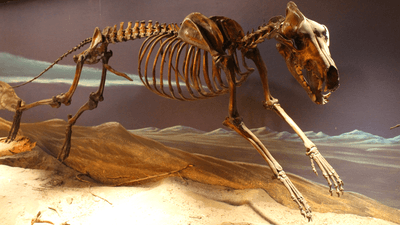


Enter the mammal collection of a natural history museum, and there’s a decent chance something will be missing. There are typically more male than female specimens on display in natural history museums, but even those males are often displayed without a significant part of their body: the baculum.
The baculum, also known as the penis bone, is a feature thought to be unique to placental mammals. It’s been gained and lost multiple times over the course of mammalian evolution, but it’s a popular choice among primates. That is, until you get to humans.
In 2016, a team of scientists set out to answer "The Big Question": Why don’t humans have a penis bone? It took them on a journey back to when the baculum first evolved between 145 million and 95 million years ago.
That places it in prime position to be present in the most recent common ancestor of all primates and carnivores. So, what happened? Why did humans fall out of love with the penis bone? It seems it all comes down to our mating preferences.
A penis bone can improve an animal’s reproductive success by providing rigidity. For polygamous primates like bonobos and chimps, the baculum keeps the penis where it’s needed during lengthy copulation. This is handy when facing fierce competition because the longer you spend copulating with a mate, the less chance there is that someone else might muscle in.
This stiff competition shifted among early humans, among whom monogamous single-partner relationships developed around 2 million years ago. That kind of commitment between two partners reduced the need for lengthy mating sessions, so say the researchers, and so a baculum wasn’t required to get the job done.
"After the human lineage split from chimpanzees and bonobos and our mating system shifted towards monogamy, probably after [2 million years ago], the evolutionary pressures retaining the baculum likely disappeared," said co-author Dr Kit Opie in a statement at the time. "This may have been the final nail in the coffin for the already diminished baculum, which was then lost in ancestral humans."
Nobody should ever use evolution as an argument to dictate someone’s sexual preferences. That said, if you ever get stuck at a party with someone whanging on about how monogamy "isn’t natural," feel free to whip out the baculum.
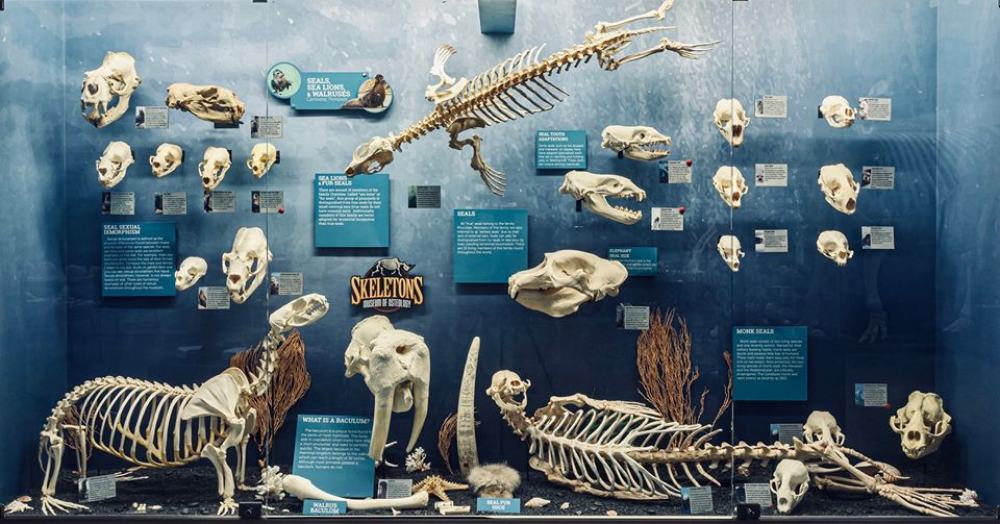
As for why this worthy addition to a natural history museum seems to be perplexing absent in a lot of institutions, it seems it comes down to another human trait: pearl clutching.
"The reason is entirely unscientific," said Jack Ashby, Assistant Director of the University Museum of Zoology, Cambridge, and author of Nature’s Memory to IFLScience. "It's just that Victorian museum curators had a kind of prudish sense of propriety. They removed parts of the animals just to stop the blushes or giggles, I guess."
"I find that utterly extraordinary, because it means that museums have been deliberately teaching people the wrong thing. They have been knowingly changing the anatomy of a specimen just to inflict this kind of human social prudery on what animals really look like."
It’s quite a dramatic censorship for some animals, such as the walrus, whose baculum can be up to 0.6 meters (2 feet) long. So, if you find yourself confronted with a sizable protrusion hinged at the waist of a mammalian specimen on display, rejoice that you’re visiting an institution of integrity. We don’t sugarcoat science here, giggles be damned.

 1
1