Nature
 PUBLISHED




Earth is in the midst of a biodiversity crisis. It’s estimated that extinctions are occurring between 100 and 1,000 times the natural background rate, with over 30 percent of the planet’s animal and plant species expected to be extinct by 2050 as a result of global warming alone.
It’s a race against time, but that’s not the only sand slipping through the hourglass. As species diminish, so too does their genetic diversity.
With the current technologies we have in our arsenal, that genetic diversity loss is effectively irreversible because it’s so much slower to recover than it is to lose. That’s not to say people aren’t working on that problem, but in the meantime, we need something else. A stopgap. Some way to capture the precious data that’s out there in the natural world today, before it’s not.
Enter: the Colossal BioVault. Announced earlier this month, it marks a major initiative between Colossal Biosciences and the UAE to establish a global network of facilities that will lock in the diversity needed to prevent future extinctions. Something we've been doing for a while, but not on this scale.
Facilities have been cryogenically preserving animal tissues and cells for half a century, led by the San Diego Zoo’s “Frozen Zoo”. It’s since been joined by other institutions like Chester Zoo’s Nature’s SAFE, said to be one of the largest “living biobanks” in Europe.
Nature's SAFE founded by scientists to create a store of cell lines that can be brought back as living tissue. Once back from the “dead”, these cells could be developed and deployed in breeding programs to try and return a deceased animal’s genetic material into a population.
A tried technique, then, but the Colossal BioVaults hope to overcome one characteristic they say is missing from the existing network of frozen repositories: access.
“Today’s biobanking efforts are underfunded, fragmented, and often inaccessible, lacking the collaboration and international support that this crisis demands,” said Colossal co-founder and CEO Ben Lamm in a release emailed to IFLScience. “Thanks to the visionary leadership of the UAE, Colossal is now creating the world’s first Colossal BioVault: an unprecedented global resource, a modern-day Noah’s Ark for protecting and restoring life on our planet. We are excited to build on this relationship and pioneering bold new solutions to safeguard biodiversity for generations to come.”
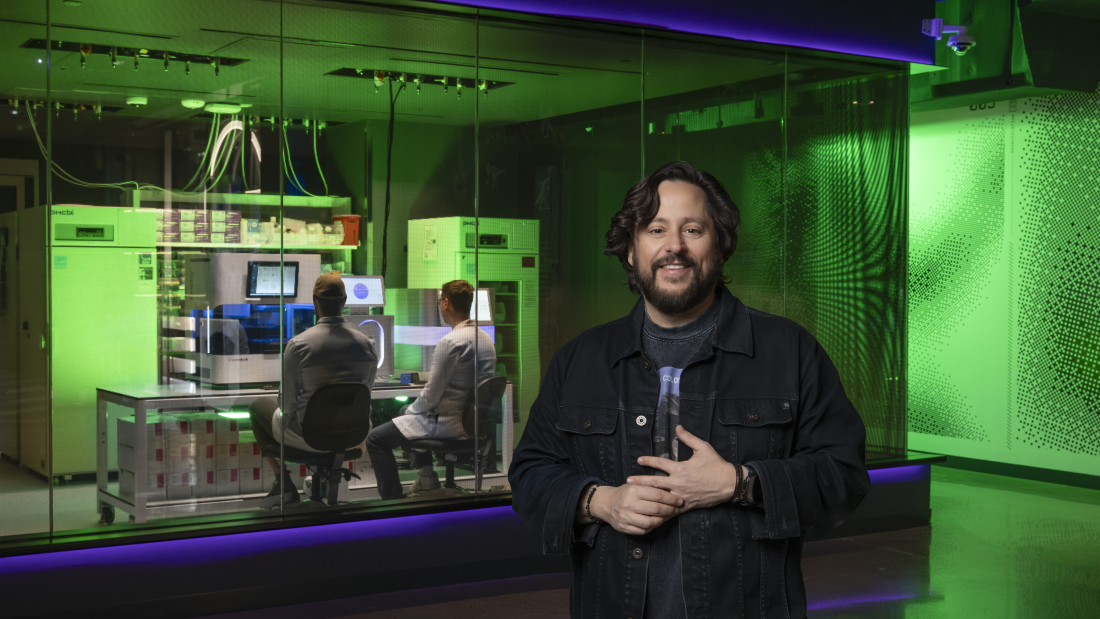
The research facility is set to house millions of samples representing over 10,000 species, with a special focus on 100 species not currently banked elsewhere. As Lamm told IFLScience during a recent visit to their new de-extinction lab (the world's first) in Dallas, Texas, it’s taken years of preparation and just a little bit of cheek.
“The ask was big of the UAE,” he said. “It's like, make this a national priority. Put nine figures in it. Do it in a way that you can then share all of that data. Not just little tissue samples – go do the full sequencing. Induce pluripotent stem cells, create cell lines, do all of this stuff, and then share it openly with the world.”
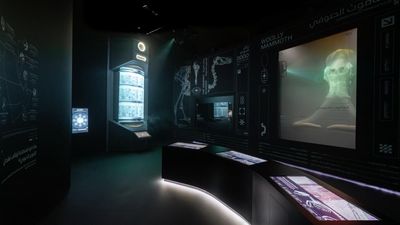
Lamm aims to establish 10 Colossal Biovaults that will be distributed worldwide, including Dubai’s Museum of the Future, which has been named the permanent home of the Colossal Foundation's Life and Biodiversity Laboratory and BioVault.
The goal? To advance their mission to preserve genetic diversity before it’s lost on a global scale. “We are losing species at an alarming rate," said Lamm. "The world urgently needs a distributed network of global BioVaults – a true backup plan for life on Earth.”

 2
2