Nature
 PUBLISHED


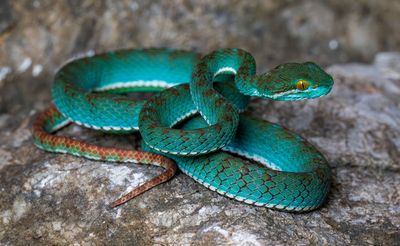


Given modern technology, satellite mapping, and remote cameras, you might think there are relatively few areas of Earth that have not been properly explored. However, this is not the case in Battambang Province, western Cambodia. Many new species have been found in the region's mostly unexplored karst landscape, including a beautiful new pit viper species.
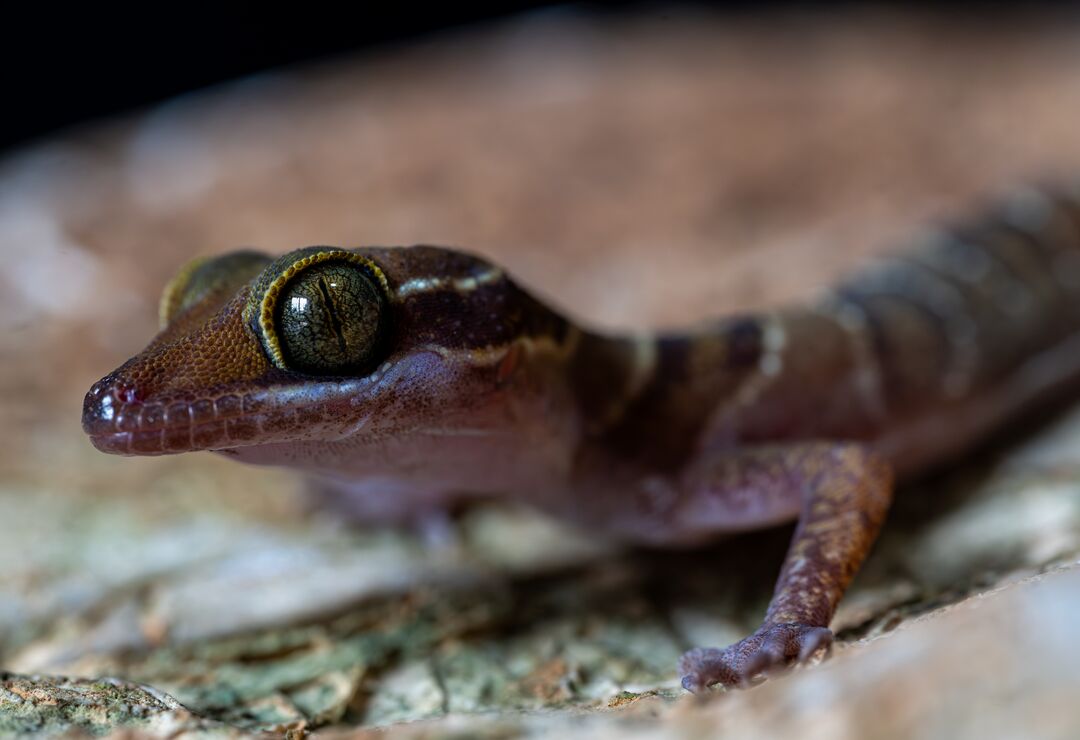
The survey was lead by the team at Fauna & Flora, who not only discovered the pit viper but also three new gecko species, two species of millipedes, and two micro-snails. The area is also home to threatened species like the Sunda pangolin, the Indochinese silvered langur, and the green peafowl. Given that so many endangered and unusual species make their home here, the survey highlights the need to protect the area and the species that inhabit it.
“Cambodia’s karst areas are a treasure trove of scientific secrets waiting to be uncovered. From undiscovered reptiles and snails, to hidden caves – there is still so much we do not know about these unique ecosystems and the diversity of creatures living within them,” Sothearen Thi, Karst Biodiversity Coordinator, Fauna & Flora, said in a statement sent to IFLScience.
Carried out between November 2023 and July 2025, the survey focused on four taxonomic groups and also included a general camera trapping survey that focused on birds and mammal species. Seven species – including the three geckos, millipedes, and snails – have been described, but the team also discovered three other gecko species, and a beautiful blue and green pit viper that is still undergoing the scientific process of being formally recognized as new species.
The karst landscape is characterized by limestone hills and caves. This soft rock dissolves over time, creating large cave springs and even sinking streams. The landscape can be hard to navigate for tiny creatures, so small areas can hold species that are found nowhere else in that region or even across the world. For the local community, the caves can be valued for spiritual and cultural reasons, and many hold shrines and statues.
One of the gecko species seen on the survey is named Gekko shiva after the Hindu god of destruction. The species was first described in Thailand in February 2025, and this sighting represents the first record of the species in Cambodia.
By contrast, the Kamping Poi bent-toed gecko was found in four different populations and identified as a new species: Cyrtodactylus kampingpoiensi. However, the team think that each population could be genetically diverse enough to represent four distinct species, and they plan to use genetic analysis to find out.
“But, without sustainable management, we may never find out what these areas truly hold. Karst landscapes are facing many human-driven challenges, and biologically significant species could go extinct before they have even been discovered. We are working with the Cambodian government and local partners to increase protection of the landscapes, with sustainable management being the number one priority,” said Thi.
Read the full biodiversity report here.