Nature
 PUBLISHED


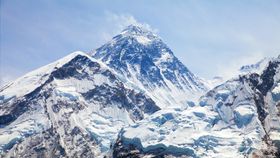


The effect that our species is having on our planet is huge and we have been polluting, disrupting, and destroying environments from the deepest part of the ocean to the tallest mountain for years. And we mean that literally. We have found plastic deep in the Mariana Trench and reports from Mount Everest paint a terrible picture of what the situation is like on the planet’s highest peak.
“It is disgusting, an eyesore," Pemba Dorje Sherpa, who has climbed Everest many times, told Agence France Presse (AFP). "The mountain is carrying tonnes of waste. There is just not enough monitoring at the high camps to ensure the mountain stays clean.”
The problem is significant. It is estimated that more than 4,000 people have climbed Mount Everest since Sir Edmund Hillary and Sherpa Tenzing Norgay first reached the summit in 1953. Most of them in recent years, with about 800 new people getting to the top annually, and many more stopping at the base camp. This influx of tourists has turned the pollution on the mountain from a big problem into a huge one. Some estimates put the amount of trash left on the mountain at about 120 tonnes (132 tons) every year.

There are some policies in place to fight this. The Nepalese government takes a $4,000 rubbish deposit from each group of mountaineers before their climb. On the Tibetan side, your kit is weighed before and after your climb, and you are fined $100 for each kilogram (2.2 pounds) of weight your kit has lost on your return. It is uncertain how effective these policies are as many people spend between $20,000 and $100,000 to actually be there.
Counteracting the uncaring tourists, there are several groups that focus on cleaning up after them. For the last 25 years, the Sagarmatha Pollution Control Committee has been working tirelessly to clean Mount Everest and its surroundings. They have established several projects targeting both solid waste and human waste. They hope to send 100 tonnes (110 tons) of material to be recycled in 2018.
Many expeditions have also worked to collect rubbish left over in previous years. One of the worst areas is the death zone, the region located above 8,000 meters (26,000 feet). A recent expedition collected about 8 tonnes (8.8 tons) of rubbish but people believe that roughly 50 tonnes (55 tons) are still up there.
Unfortunately, if the climbers don’t actually clean up after themselves, this will become a neverending cycle.
[H/T: Agence France Presse (AFP)]