Nature
 PUBLISHED
 3
3


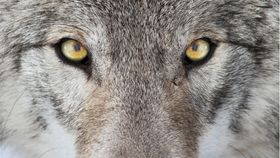


Our fascination with the idea of werewolves is age-old, whether they’re the terrifying stuff of nightmares or the hunky foes of sparkling vampires, but 4,000 years ago in Russia, apparently they took the idea of becoming one rather more seriously.
Of course, 4,000 years ago in Russia, the idea of werewolves as we know it hadn’t been invented yet – lycanthropes’ beginnings are contentious, but the idea gained the most traction in medieval European folklore. Instead, the idea was to channel the wolf’s “killer instinct” by imbibing its spirit by eating it.
There is a long history of the concept of boys and men eating dogs and wolves (and occasionally transforming into them) as an initiation ritual to become a man or a warrior, that ranges from the Greeks to the Celts to the Indo-Europeans that inhabited what is now modern Russia. However, this has only been seen in the writings of various cultures. There has never been any physical evidence of these rituals, until now.
Anthropologists working on an ancient settlement in the Russian steppes discovered the remains of 64 dogs and wolves that appeared to show evidence of ritual sacrifice and consumption. In a paper published in the Journal of Anthropological Archaeology, they theorize that this was indeed proof of a Bronze Age boy-to-man initiation ritual.
The remains were found at the Srubnaya-culture settlement of Krasnosamarskoe that dates to around 1900-1700 BCE. The charred remains of the animals, some wolves but mostly dogs, showed evidence of being roasted and filleted, unmistakable signs of consumption. The bones also showed precision and preparation in the way they were chopped up, suggesting ritual significance.
At the time, dogs would not have been considered a food source but companions. The remains revealed the dogs would have been healthy adults, suggesting they had some importance in the community as they were well looked after. Most were also male, as were the dogs mentioned in written accounts of the rituals.
David Anthony and Dorcas Brown of Hartwick College suggest in their study that this evidence of consuming dogs backs up narratives that Bronze Age people performed initiation rituals “symbolized by transformation into a dog or wolf.”
There are scholarly arguments that claim the ancient customs linking warrior men with fierce animals like wolves, as well as the suggestion of killing and eating them to take on their strength and hunting instincts, could be the origins of legends of men transforming into wolves.
Perhaps werewolves have been around longer than we thought.
[H/T: Ars Technica]