Health and Medicine
 PUBLISHED
 1
1


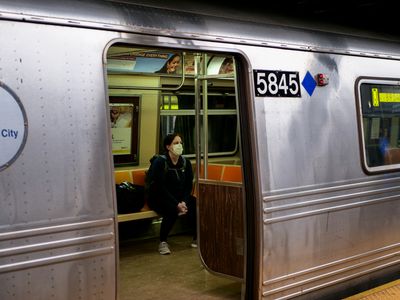


The number of deaths from COVID-19 in the early months of the pandemic in the US could have been substantially undercounted. According to new analysis, 19 percent more deaths occurred than were reflected in official mortality figures. Some communities were at greater risk of being left out of the data than others, raising questions about how we could avoid a similar situation in a future pandemic.
Let us take you back in time to six years ago. In March 2020, COVID-19 had become an inescapable problem for countries around the world, with a patchwork of local and national restrictions already being cast hastily over a bewildered populace.
Between fights over toilet paper at the grocery store, struggles to balance work and homeschooling, and fears for elderly and vulnerable friends and family members, it was a chaotic time for many.
The speed with which the new disease spread also caused problems for public health data infrastructure, according to the authors of the new study. “Throughout the COVID-19 pandemic in the United States, official COVID-19 mortality reporting was often delayed or incomplete,” they write.
Inaccuracies in this kind of data are problematic, they explain, because it’s these mortality figures that policymakers rely on when deciding on how best to tackle a disease outbreak – whether to start locking down schools, prisons, and care facilities, for instance, or what kind of messaging should be communicated to the general public about the risk to their health.
Previous studies have attempted to go back and look again at this data in light of the potential inaccuracies. This team used a machine learning approach to comb through death certificate data obtained between March 2020 and December 2021.
The topline result, covering the whole United States, is that 155,536 COVID deaths went unreported in the official data. The largest fraction of these by region were in the West South Central census division, comprising Arkansas, Louisiana, Oklahoma, and Texas. The majority of these uncounted deaths occurred in the home, as opposed to a medical or care facility.
The “missed” deaths were attributed to a range of different causes, such as dementia, cardiovascular disease, and diabetes. That may sound a lot of missing or inaccurate data points, so how did this happen?
To investigate further, as well as where the deaths occurred, the team took a deeper look at the demographics of the deceased. They concluded that the “US death investigation system reported COVID-19 deaths in a systematically inequitable way that hid the true extent of pandemic mortality and inequities.”
COVID deaths were most likely to go unrecognized in counties with lower median household incomes, and where more residents reported poorer health. More of these predicted deaths occurred in individuals registered on their death certificates as Hispanic, American Indian, Alaska Native, Asian, and Black, compared with non-Hispanic white.
“The communities affected by the undercounting of COVID-19 deaths could be interpreted as a pattern of structural racism, classism, and ableism in the death investigation system that warrants further research and policy attention,” the authors write.
In the future, they say their approach could be adapted for use “in a number of settings where cause-of-death investigation is incomplete, delayed, and/or suspected to be biased.” However, they caution that this should not come at the expense of reform that seeks to address the implicit biases in these systems.
The study is published in the journal Science Advances.