Health and Medicine
 PUBLISHED
 1
1




Hikers, campers, and grassland-roamers, beware: there’s a new tick-borne disease in town, and it appears to be gaining new ground in the US.
For the first time, doctors have identified a rare case of Bourbon virus in New York State – a virus that was only discovered a little over a decade ago, can be deadly, and currently has no treatment.
It was detected in April 2026 by scientists at Stony Brook University on Long Island after they took blood samples from 107 people with fevers and suspected tick-borne disease.
To their surprise, two cases had neutralizing antibodies for the Bourbon virus, suggesting their immune system had come into contact with the germ.
One of these patients had skyrocketing levels of Bourbon virus antibodies in their bloodstream, indicating they had a recent, active infection.
"This one case certainly was the Bourbon virus, and over a one-month period antibody titers increased eightfold. The patient showed some very severe symptoms and was hospitalized," Luis Marcos, lead study author and professor at the Renaissance School of Medicine at Stony Brook University, said in a statement.
Marcos explained that its symptoms — deep fatigue, body aches, thumping headaches, and chills following a tick bite — look a lot like Lyme disease. In fact, the patient was first treated with antibiotics for suspected Lyme disease, and only when that treatment failed did doctors dig further and find the real diagnosis.
Bourbon virus: only discovered in 2014
Bourbon virus was first identified in 2014 when a farmer became ill with the unknown infection in Bourbon County, Kansas (hence the name of the virus).
The previously healthy man was over the age of 50 and suddenly fell sick with nausea, weakness, and diarrhea after sustaining some tick bites while working outside.
Tragically, the man died within just two weeks, but before his death, the medical staff managed to isolate a never-before-seen virus from his blood: Thogotovirus bourbonense.
Within just 12 years of its discovery, the virus has been detected in the Midwest, East Coast, and Southern US.
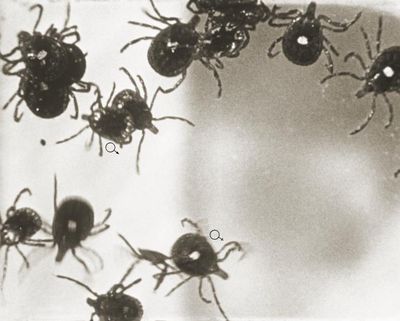
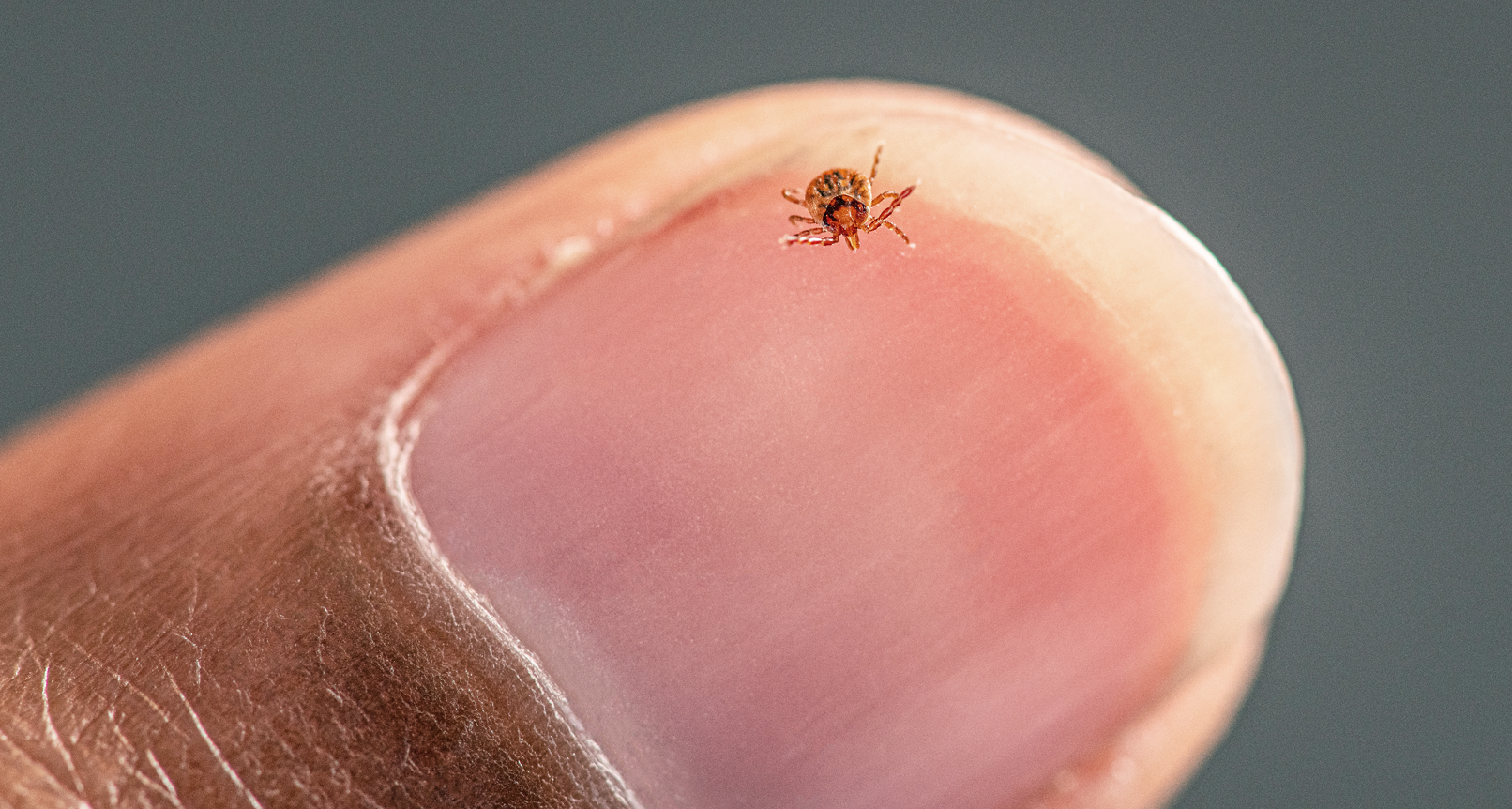
While this is a first for New York, the researchers say it’s not totally surprising given the number of lone star ticks in the region.
"There are a lot of lone star ticks in New York and in the Northeast. We have dense populations, and when someone is infected with Bourbon virus, symptoms are similar to other tick-borne infections," explained Marcos, also director of the Tick-Borne Disease Clinic at Stony Brook University.
"For these reasons, the Bourbon virus is likely more prevalent than we think in our region, and other cases are likely not being diagnosed," he added.
A growing problem
The emerging virus is especially worrying as there’s currently no routine diagnostic test nor any specific treatment or vaccine for the virus, according to the Centers for Disease Control and Prevention.
Deepening the problem, the lone star tick's range keeps expanding across North America due to warmer winters, rising temperatures, and the expanding range of white-tailed deer, which they feed on.
Interestingly, the lone star tick can carry the bacterium behind Lyme disease, Borrelia burgdorferi, but it doesn't typically pass the infection on to people. That job falls to a different species, the blacklegged tick.
Lone star ticks are, however, linked to a number of human diseases in their own right, including Bourbon virus and alpha-gal syndrome, which can trigger an allergy to red meat.
Wrapping up their study, the researchers note these converging problems “highlight the need for expanded viral surveillance, clinical testing and assay development to improve clinical decision-making and inform tick-borne disease epidemiology and vector management."
In other words, we need better tools to spot these ticks, as well as the viral nasties that they host.
The study is published in the American Journal of Tropical Medicine and Hygiene.