


 Health and Medicine
 PUBLISHED





In an analysis of genetic data from over 1.2 million people from different ancestry groups, scientists have been able to pinpoint 115 genes associated with anxiety.
According to the World Health Organization, anxiety disorders are the world’s most common mental illness, estimated to have affected 301 million people across the globe in 2019. While there are many different types, any anxiety disorder can have a serious impact on people’s day-to-day lives.
One of the ways in which that impact can be tackled is to get a better understanding of what puts someone at risk of developing an anxiety disorder in the first place – and that’s where genetics and a team of researchers from Yale University’s Department of Psychiatry come in.
The team analyzed genome-wide data – as well as information on how those genes were expressed – taken from six different cohorts, totaling 1,266,780 participants, and were able to identify 115 genes associated with anxiety.
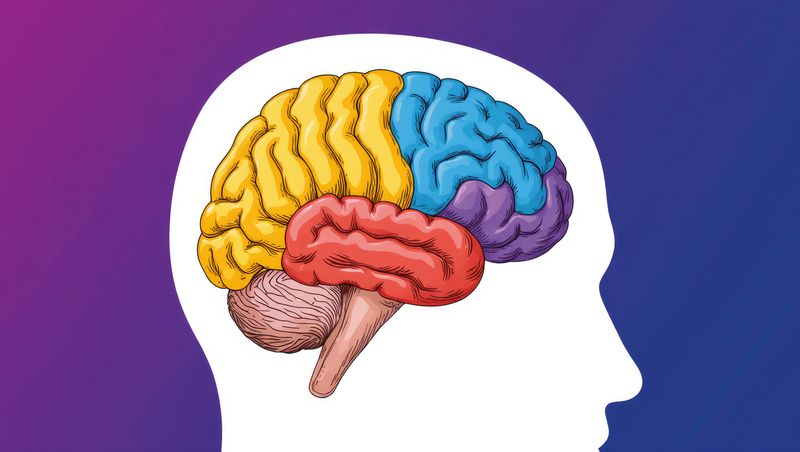
How might these genes increase the risk of developing anxiety? The study authors identified a possible answer for that too by taking a look at where the genes were expressed, finding associations with multiple brain regions that have been linked to anxiety, including the cerebellum and limbic system.
“This effort highlights the power of large-scale genetic studies to dissect the complex pathogenesis of anxiety demonstrating how multiple genes acting on different brain functions contribute to defining individual genetic risk,” said the study’s senior author Dr Renato Polimanti in a statement.
They also found that the genes that might put someone at risk of an anxiety disorder were correlated with conditions such as pain and gastrointestinal disorders, the latter of which can often occur alongside anxiety, as well as other psychiatric conditions like depression and schizophrenia.
It’s far from the first time that scientists have investigated the genetics behind anxiety disorders, but there’s one criticism that tends to loom over this type of study – they frequently primarily use participants of European descent, which means that the findings can’t necessarily be applied to everybody.
The researchers attempted to resolve this problem by using the data of individuals from five different ancestry groups: European, African, admixed American (meaning someone with a mixture of European, Sub-Saharan African, and Native American ancestry), South Asian, and East Asian.
“Studying anxiety disorders across five different ancestries for the first time, we were able to discover the genetic architecture of anxiety disorders with more power for genetic association,” said Dr Eleni Friligkou, the study’s first author.
“Our effort highlights the importance of increasing diversity in genetic studies to better understand ancestry-specific correlates of anxiety disorders, but also to leverage the power of cross-ancestry genetic discovery.”
The study is published in Nature Genetics.



 1
1