


 Nature


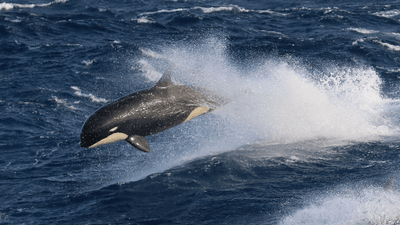


Killer whales are one of the most widespread animals on the planet. As the ocean’s largest apex predators, they keep marine ecosystems in check all across the world, but there’s still so much we don’t know about their lives.
Case and point: Type D killer whales, characterized by their blunt heads, pointed dorsal fins, and tiny white eyepatches. These cetaceans were once near mythical, known mostly from the accounts of fishers, amateur photographers, and the occasional and regrettable mass stranding.
Described as “one of the world’s most mysterious marine predators” in a press release sent to IFLScience about a landmark new study, we’ve just received unprecedented new data on their true numbers and movements. Turns out, they’ll swim a really long way for an easy meal.
The hunt for Type D killer whales
Bringing together over 20 years of observations, it aimed to get a better understanding of one of Earth’s least-known killer whales. At time of writing there is only one recognized species of killer whale, Orcinus orca, but it contains many ecotypes of which Type D are the most enigmatic.
The most surprising results were the inter-ocean movements we documented.
Jared R Towers
To tackle that, a team of scientists gathered over 28,000 photographs taken between 2003 and 2024. A key concern surrounding Type D killer whales is that they are among the most inbred animals on Earth and with so few sightings, there were concerns small numbers were pushing them into a genetic bottleneck.
The photo surveys, however, identified 207 individuals across the Subantarctic. This could suggest they are more numerous than previously thought, even if it accounts for a small population size on a global scale.
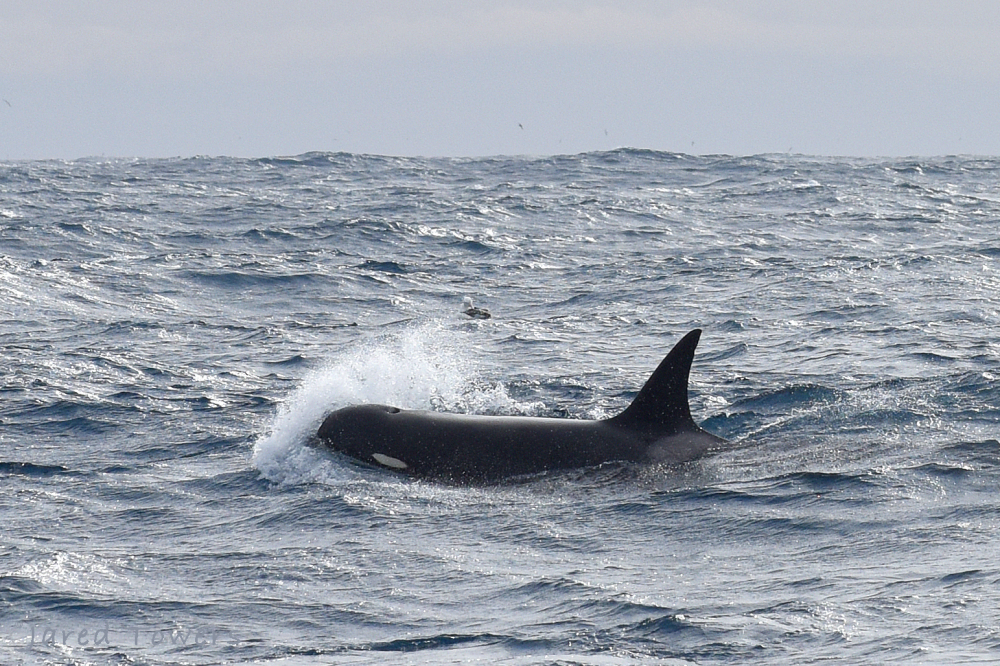
For study author and Executive Director of Bay Cetology, Jared R Towers, what was most incredible of all were the distances some individuals traveled while depredating fishing boats with toothfish in their catch (AKA, a Type D killer whale’s favorite takeout). The behavior is only seen among a small, socially insular contingent of the population, but its members demonstrated some impressive commutes.
“The most surprising results were the inter-ocean movements we documented,” he told IFLScience. “These are unprecedented for killer whales and speak not only to the highly mobile nature of these animals, but also the fact that their global population size may be rather small even though we documented over 200 animals and there are many more out there still to be found.”
Found across two distinct groups in the southern Indian Ocean and off southern Chile, Type D killer whales were recorded swimming over 4,400 kilometers (2,734 miles) between ocean basins. Their epic journeys were longitudinally narrower and across longer distances than anything ever recorded among killer whales before.
Perhaps it's time Type D got an upgrade from among the most mysterious ocean predators to among the most impressive?
The study is published in the journal Marine Mammal Science.




 1
1