


 Health and Medicine
 PUBLISHED


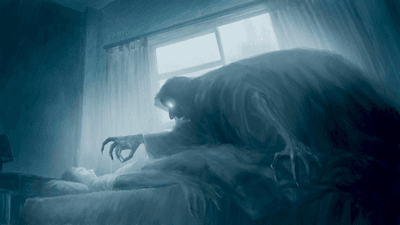


Nightmares and “daymares” could be an early warning sign of an autoimmune disease according to a new study. Troubling dreams and daytime hallucinations could provide advance warning of the arrival of diseases like lupus, and a greater awareness of them both from patients and doctors could lead to improved management of a person’s autoimmune conditions.
The study looked at 676 people with lupus, spoke to 400 clinicians, and interviewed 69 people about their experiences living with systemic autoimmune rheumatic diseases, which lupus falls under. Lupus is a chronic autoimmune condition that can cause joint pain, rashes, and fatigue. There’s currently no cure, but the symptoms can be managed with medication.
The numerous discussions turned up a common symptom experienced by three in five patients in the lead-up to the onset of lupus: disrupted dream sleep. Hallucinations were also reported by just under one in four patients, often with vivid distressing nightmares as a precursor.
The nightmares often involved being attacked, trapped, getting crushed, or falling. Terming the hallucinations “daymares” proved to be a positive step in getting patients to register their symptoms in a way that felt less stigmatized.
“[When] you said that word daymare and as soon as you said that it just made sense, it’s like not necessarily scary, it’s just like you’ve had a dream and yet you’re sitting awake in the garden,” said a patient from England. “I see different things, it’s like I come out of it and it’s like when you wake up and you can’t remember your dream and you’re there but you’re not there… it’s like feeling really disorientated, the nearest thing I can think of is that I feel like I’m Alice in Wonderland.”
The clinicians involved in the study agreed that nightmares and daymares could be a useful “early warning system” of an oncoming flare for autoimmune disease. Making patients better informed about what these symptoms can mean, could enable them to work together to manage flares before they become severe.
"We have long been aware that alterations in dreaming may signify changes in physical, neurological and mental health, and can sometimes be early indicators of disease,” said Professor Guy Leschziner, a study author and neurologist at Guys’ and St Thomas’ Hospital, and author of The Secret World of Sleep, in a statement.
“However, this is the first evidence that nightmares may also help us monitor such a serious autoimmune condition like lupus, and is an important prompt to patients and clinicians alike that sleep symptoms may tell us about impending relapse."
The study is published in the journal EClinicalMedicine.



 2
2