Nature
 PUBLISHED
 1
1


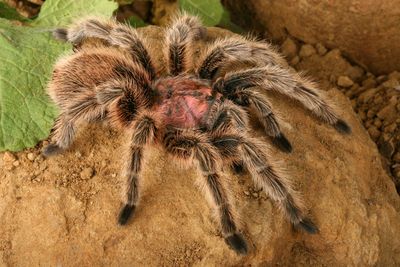


Colorful creatures are all over planet Earth, from those with incredible coats that blend into the surroundings to bright feathers and even feet. In the world of arachnids, the jumping spiders get a lot of credit for being the colorful ones, but the rose hair tarantula can hold its own. It's not just Wednesdays that they wear pink.
Where does the rose hair tarantula come from?
The rose hair tarantula (Grammostola rosea) is also known as the Chilean rose tarantula and is native to Chile, Argentina, and Bolivia. It lives in desert and scrub-type habitats. They are nocturnal, shy spiders with a large leg span of 12-13 centimeters (5-6 inches). They live in burrows in the ground, which they either dig themselves or find discarded by other small animals.
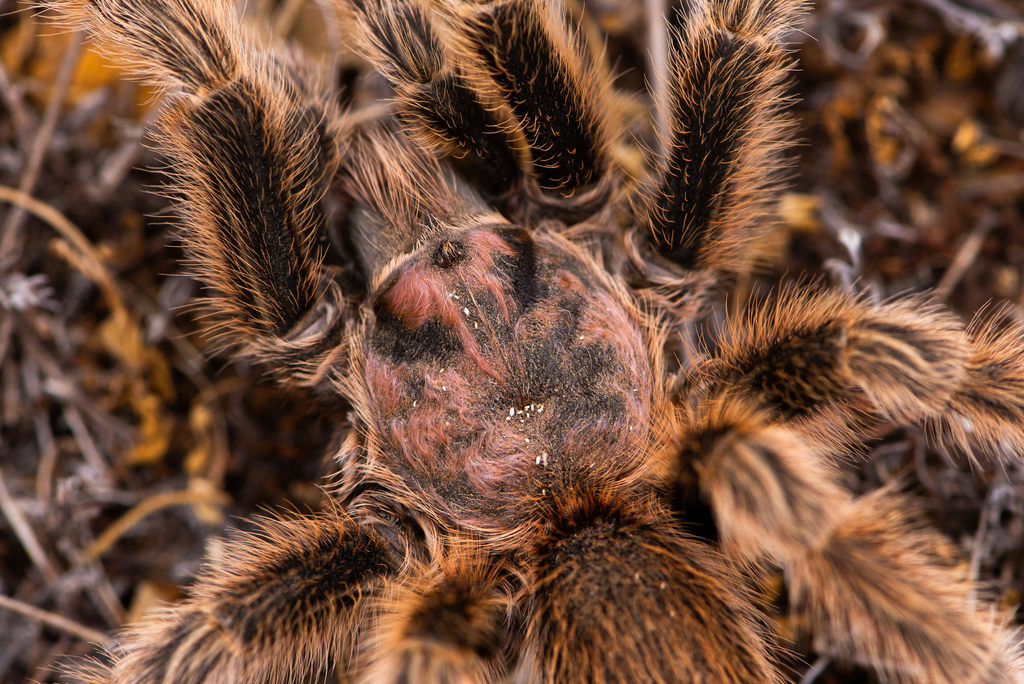
The tarantulas get their name from the rose-colored hair on the upper body. The rest of their hair is brown or black.
What is the rose hair tarantula's lifespan?
In human care, the female rose hair tarantulas can live around 20 years. However, the males often die only a few months after breeding.
During the breeding process, the male develops a structure on the underside of the front legs to keep the female’s fangs still during mating. The female makes a web where she lays 50-200 eggs. She then wraps them in an egg sac and will guard them until they hatch. Spiderlings will moult and grow a new exoskeleton five or six times in their first year.
Given their long lifespans and calm temperament, these tarantulas are popular pets. The species has a reputation for being slow and docile and rarely biting. They may also go weeks between eating.
What does a rose hair tarantula eat?
Rose hair tarantulas are fierce predators and eat invertebrates and even mice, lizards, and frogs. They hunt at night, where they use their size and impressive fangs to kill prey. This species does possess venom that it uses to kill prey, but it is not harmful to humans. As a defence, the tarantulas can even throw irritating hair-like structures called urticating bristles at anything that tries to eat them.