


 Nature
 PUBLISHED


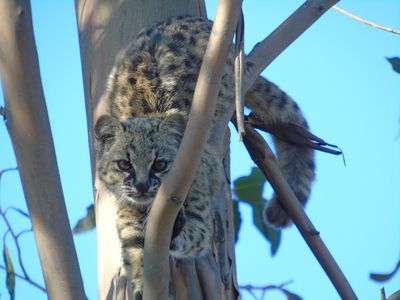


The kodkod (Leopardus guigna), also known as the guiña, is the smallest cat in the Americas. Typically found in Chile, this shy species is nocturnal, hunting under the cover of vegetation.
What does a kodkod look like?
Only two other species beat the kodkod for smallest cat species in the world: Geoffroy’s cat (Leopardus geoffroyi); and the rusty-spotted cat (Prionailurus rubiginosus), which is native to Sri Lanka, India, and Nepal.
The kodkod weighs in at only 2-3 kilograms (4-6 pounds) with the males typically being slightly larger than the females. The species has distinctively short legs, a grayish-brown coat with a white belly, and a short tail with black rings and a black tip. Occasionally, melanistic cats are seen, which are all black.
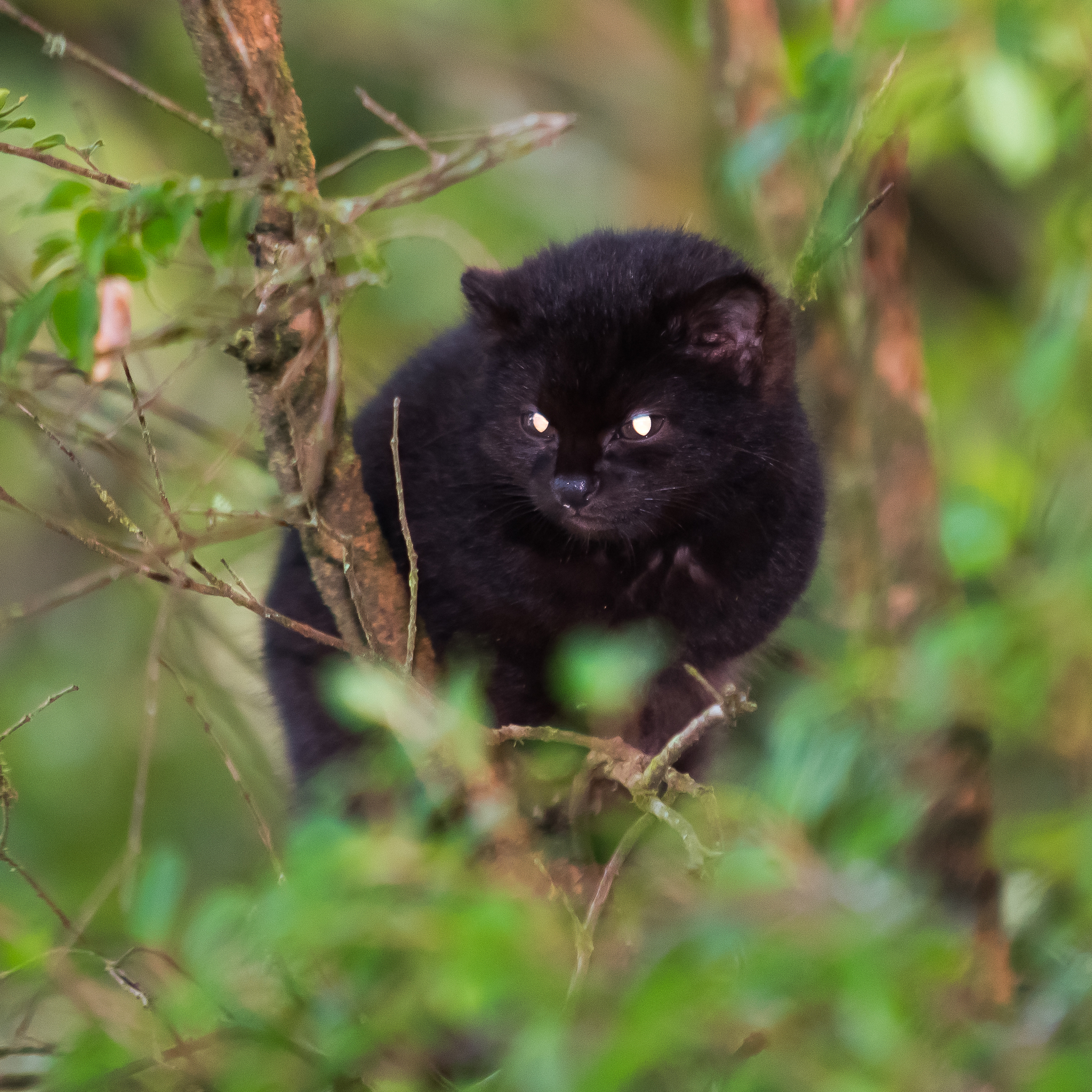
Kodkods have fairly recently been found to make a range of noises with a study from 2020 marking the first time their call was recorded.
Where does the kodkod live?
As well as being the smallest felid in the Americas, the kodkod also has the smallest range, found only in Chile and a small part of Argentina where it shares part of its habitat with Geoffroy’s cat. The species is also found on the island of Chiloé off the coast of Chile. This little cat prefers dense, forested habitats.
What does the kodkod eat?
Kodkods are mainly nocturnal, agile hunters and eat a variety of small mammals, especially rodents, but also birds and reptiles. The species is also known to scavenge on carrion.
What are the threats to a kodkod?
The IUCN lists this species as Least Concern, with an estimated population of 26,000-100,000 mature individuals thought to be in their wild range. The biggest threats to this population are the loss and fragmentation of their habitat. The species is also often killed by those with chicken coops to discourage scavenging, as well as in roadkill and domestic dog predation incidents.
Forest fires also present a big challenge for the kodkod as it relies on thick vegetation cover for stalking, reproduction, and shelter. Kodkods have been found to adapt to human spaces as long as there is sufficient vegetation available.


 1
1