Nature
 PUBLISHED


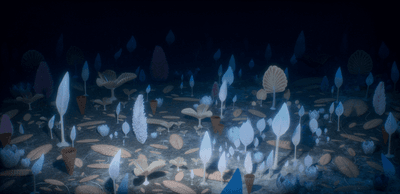


In the Ediacaran period of Earth’s history, life was pretty quiet. Animals did exist, but they didn’t move very much, didn’t possess mouths or organs, and just quietly lived in the ocean absorbing nutrients from the world around them. Crucially, they also didn't have sex.
“Life was pretty nice during the Ediacaran, so the need for sex was rather limited,” said lead author Dr Emily Mitchell from the University of Cambridge’s Department of Zoology in a statement. “There was relatively little competition, so there was no real pressure to change anything.”
Around 574 million years ago, the first animals appeared, but were followed by a slow diversification phase. The animals reproduced asexually through clones or via stolons or runners, thin branches that would grow horizontally and produce new animals at the ends, similar to modern-day strawberry plants.
Later on in the Ediacaran there was a “second wave” of rapid diversification, though the reasons as to why are poorly understood.
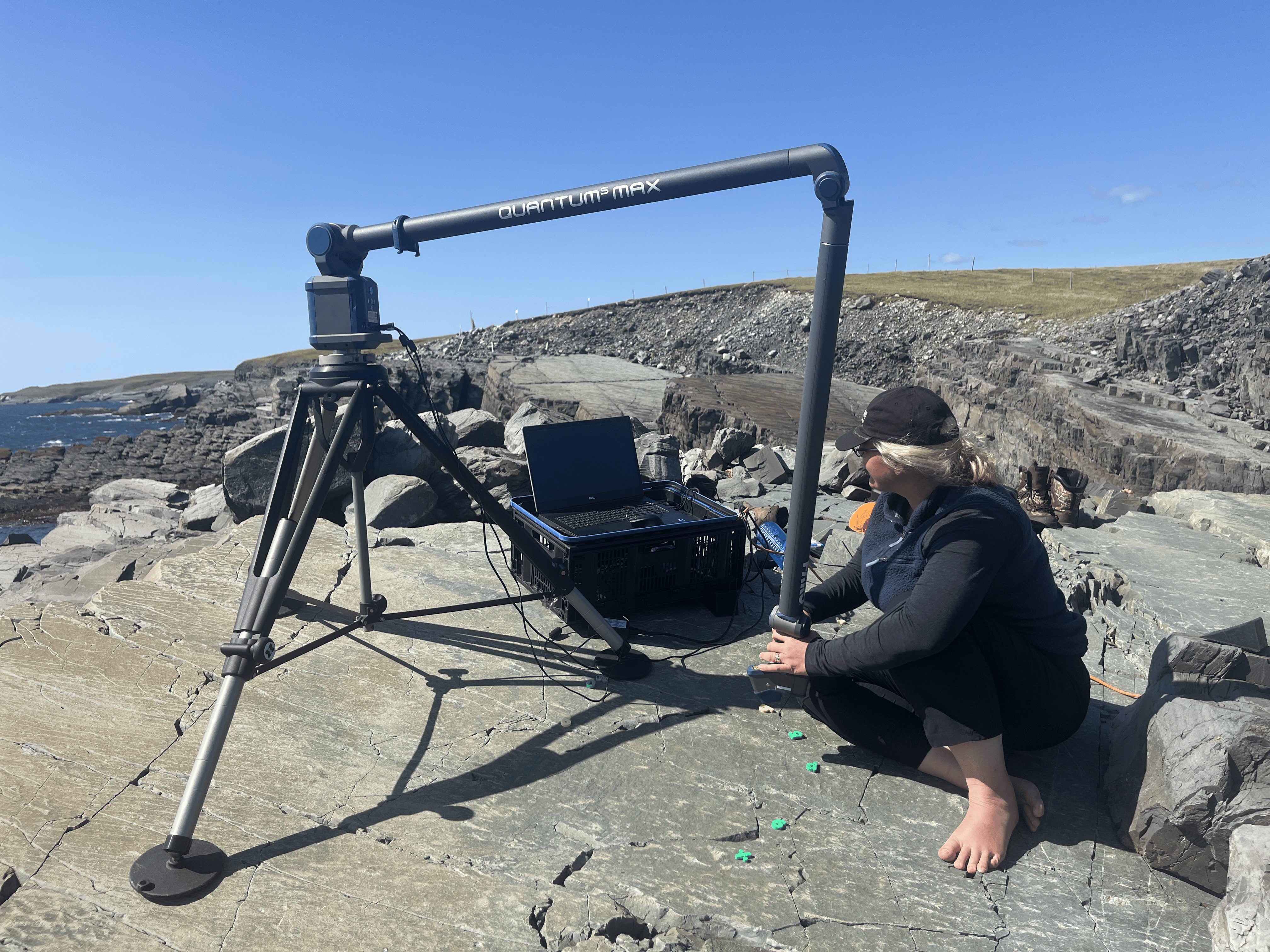
By looking closely at some fossils from Mistaken Point in Newfoundland, the team wanted to learn more about how evolution slowed down so much during this period, and what factors might have led it to speed up again and lead to the first animals that reproduced by sexual reproduction.
The team built a model to explore how these animal communities might have lived, allowing them to manipulate different factors and showing them possible outcomes if the animals had had different reproductive means. The simulations could then be matched to the number and diversity of fossils from that period.
In the Ediacaran, competition was fairly limited. The runners meant that a lot of the animals were connected and therefore sharing nutrients. However, life slowly began to change and early animals began to experience pressures and stresses for the first time, as things like changing temperatures, storms, and tides led them to begin to compete for resources.
“If you’re suddenly in an environment where you’re essentially getting killed a couple of times per year, then that changes everything,” said Mitchell. “Stress essentially leads to sexual reproduction, and when that happens, we can see a massive increase in dispersal distances as animals attempt to colonise new areas due to an increase in competition.”
This change in circumstances drove the second wave of Ediacaran evolution and eventually led into the Cambrian, resulting in new methods of locomotion and sexual reproduction to further drive diversity in that period.
The study is published in Nature Ecology & Evolution.