Nature
 PUBLISHED



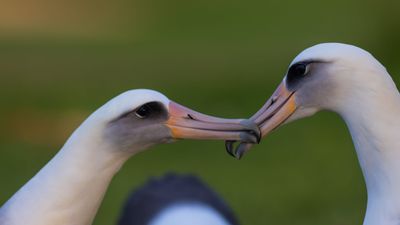


IFLScience is no stranger to stories about animal behaviors; ranging from the cute and cuddly to the plain unusual, planet Earth has just about every behavior you can think of. And that includes an astonishing diversity of sexual behaviour, biology and reproductive strategies.
Historically, some biologists have had trouble squaring the idea of same-sex interactions between animals with the idea that everything in nature is focused on procreation, but we’ve since learned that not all animals pair up with the sole goal of having a family. Increasingly, reports have made into academic circles and even popular culture of animals engaging in a range of homosexual behaviors.
To find out more, it was time to ask Josh Luke Davis, IFLScience editor and writer and author of A Little Gay Natural History, to learn more about one of the more controversial zoological topics and discover just how queer is the natural world?
Are there any particular animal groups where same-sex behaviors are particularly well documented or well known?
Josh Luke Davis: The figure that's often quoted is about 1,500 species of animals to date. That number is probably about 25 years out of date, but it still covers a huge range of species. So it incorporates everything from, Hawaiian orb weaver spiders, slipper shells, house flies, nematode worms, squid, turtles, fish, cock-of-the-rocks, brown bears, basically any animal group that you could name has at least one species that has been observed to have homosexual behavior.
Some of the more well-known examples come specifically from mammals and birds. You see quite a lot of reports coming out of those groups, and that is largely because they're just incredibly charismatic and well studied. Across most of zoology there is a mammal-bird bias in the research, so it's not unusual for that to be occurring within queer natural history too.
How would you define queer behavior?
JLD: I would take quite probably a more liberal approach to it than a lot of people. For example, in squid, the way in which queer behavior is described relates to this very particular mating arm that they have (it's called a Hectocotylus, and it contains packets of sperm passed across during mating). And so they have seen some squid, male squid, using that arm to try to mate with another male.
It's maybe not the same way in which you would consider, for example, gorillas mounting each other, to be homosexual, because they aren't clearly gaining pleasure from it. But I would still classify that as sort of homosexual behaviour. It's still same-sex-to-same-sex mating behaviour. So that's how I would probably define it.
The earliest documented written evidence we have of what I would consider queer natural history actually goes all the way back to Aristotle.
Josh Luke Davis
Now, quite a lot of the time, particularly historically, they would say these are cases of mistaken identity, or maybe they don't know it's another male that they're courting or another female they're courting. And I find that such an extraordinary proposition to make because I think in most species, they are very well aware of the opposite sex and who the opposite sex is.
The idea that they somehow can't tell their sexes apart within species, I think is a wild assumption or claim to make. And, I think, an even more extraordinary a claim than to say, oh, they're actually choosing to engage in homosexual behaviour.
Are there historical examples of where this behaviour might have been ignored, misinterpreted or explained away?
JLD: The earliest documented sort of written evidence that we have of what I would consider queer natural history actually goes all the way back to Aristotle, over 2000 years ago. I think that's quite extraordinary. And he talks about these hens (he's focused mainly on chickens because I guess we lived with a lot of chickens for a very long time, and people know a lot about their farm animals).
You get older female hens that can develop the plumage and the behaviour of males. And so he was talking about an older female that, as he describes it, "treads" another female. So treading is usually when the male gets on the back of a female and tries to mate with her. But this was a female doing that to another female.
Throughout the 20th century, there was a narrative, particularly among those who were against homosexual behaviour in people and men and women, that it was unnatural and it wasn't seen in nature. So I think there's a really interesting thought experiment there to be had about what would have happened if actually they had published more of this homesexual behavior research and it was more widely accepted.
Is it useful to apply terms like gay or homosexual or queer to the animal kingdom or should we have separate terms from what we use with humans?
JLD: I've spent a lot of time thinking about this because obviously I write for a living. So, the terminology and the words that you use are important. They do make a difference.
The terminology and the words that you use are important. They do make a difference.
Josh Luke Davis
I am very careful, when I talk about these behaviours that I try not to talk about "homosexual animals" or "queer animals." I talk about homosexual behaviours or queer activity. And I use that as a bit of a caveat because, I mean, you know, fundamentally It is impossible to say if an animal is gay in the sense that we would consider something to be gay.
I think there's a lot of baggage that comes with that sort of terminology. For example, queer or homosexual sexuality in humans is often associated with things like culture and identity, and that's almost impossible to ascertain in animals. But we can get close to answering some of these questions in some cases.
As I mentioned earlier, the fact we've been living alongside farm animals for such a long time means we've been able to study their sexual behaviour much more intimately than most species. And that's particularly true of sheep. So they have done plenty of experiments on sheep to see if they have a sustained preference for one sex over time, and we can say that about 8 percent of rams have a sustained preference for males over time.
So they're sort of as close as we could possibly get to saying that animal is gay. But again, with the huge caveat that we still can't ask them, so we still can't be certain.
Is there any recent research that tells us more about this?
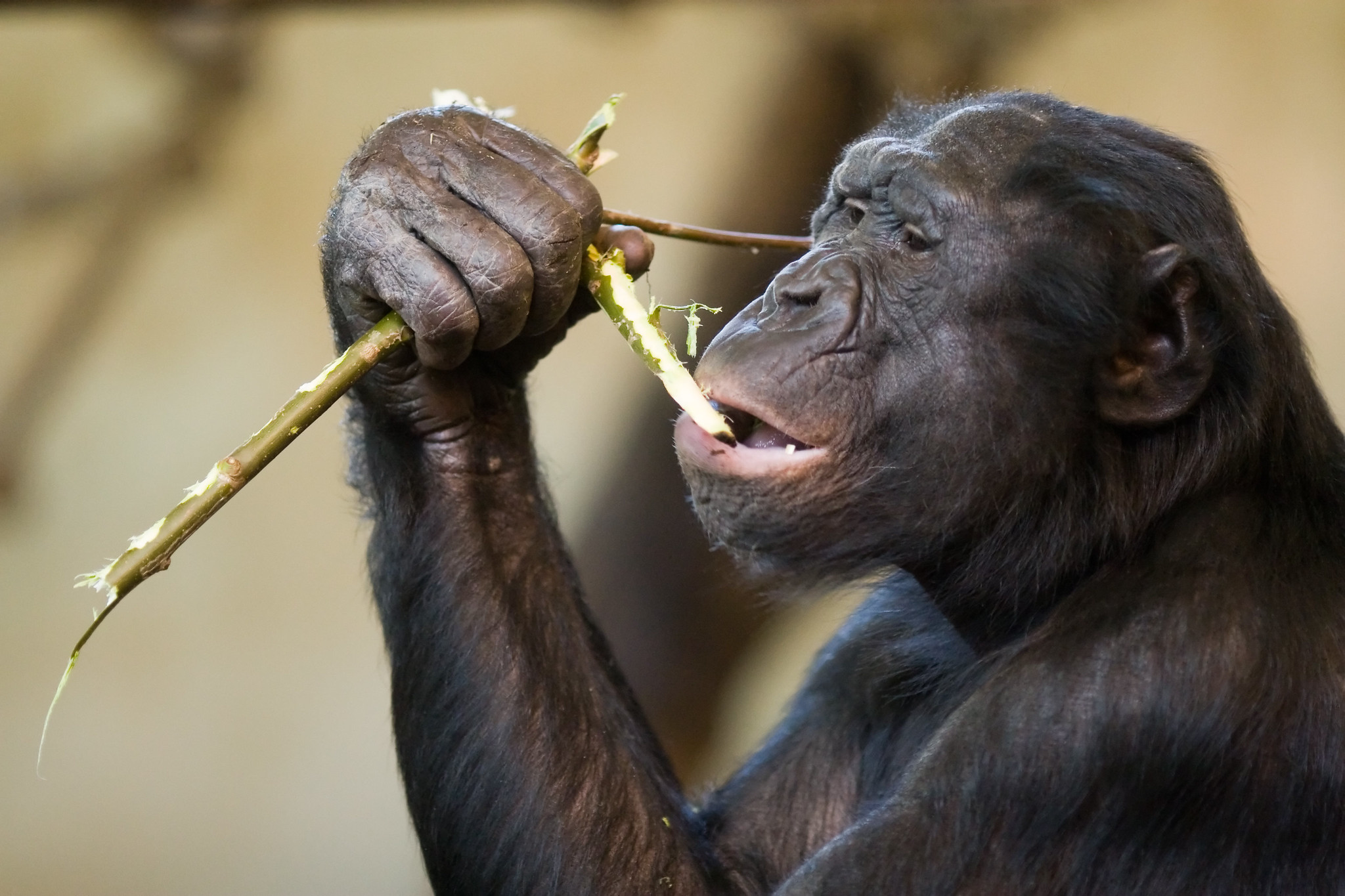
JLD: There was a study earlier this year reporting homosexual behaviours in 59 species of primates, and part of their explanation for it was that the more social the species seemed to be, the more likely they would display homosexual behaviour. That feeds into a whole idea of animals using sex as a social tool. You're using it to create connection or to, cement social bonds and things like that, rather than a means solely of reproduction.
And you do see that quite a lot in apes. One of the most famous ones is bonobos, which engage in, as some of us might know, quite a lot of homosexual behavior – actually, quite a lot of sexual behaviour in general. Their way of resolving conflict quite often is to have sex with the animal with which they're fighting or in strife with. And so there is quite a lot of evidence, to say that the level of sociality of a species probably does have a bearing.
Curious to know more? Listen to the full interview here on IFLScience's The Big Questions podcast. You can listen to this episode and subscribe to the podcast on all your favorite podcast apps: Apple Podcasts, Spotify, Podbean, Amazon Music, and more.