


 Nature
 PUBLISHED


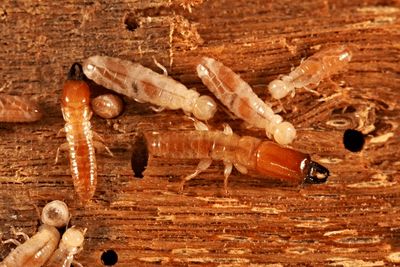


Termites are the descendants of cockroaches, and have undergone significant genetic change to live in vast colonies where breeding is restricted to a single pair. A study of the genetic path they took to get there indicates it involved the loss of far more genes than they gained, shedding the majority of the cockroach genome.
If winning the evolutionary race is counted in numbers, or even in biomass, then ants, honeybees, and termites are doing very well. All of them live in colonies with a single queen responsible for all reproduction, while vast numbers of offspring and siblings sacrifice their own genetic legacy for the colony’s success. How they get there has been a subject for major debate, particularly over the last two decades.
A team led by Professor Nathan Lo of the University of Sydney saw an opportunity to explore this by looking specifically at termites, noting that woodroaches represent a steppingstone between solo-living cockroaches and termite colonies. The woodroaches live in much smaller groups, composed of a single breeding couple and some offspring that stay with them but show little sibling care.
Lo said the first part of the transformation was a shift from a highly varied diet to eating wood and living inside trees, particularly dead ones. “Our study shows how their DNA changed first as they specialised on this poor-quality diet and then changed again as they became social insects,” Lo said in a statement.
“The surprising result is that termites increased their social complexity by losing genetic complexity,” Lo added. “That goes against a common assumption that more complex animal societies require more complex genomes.”
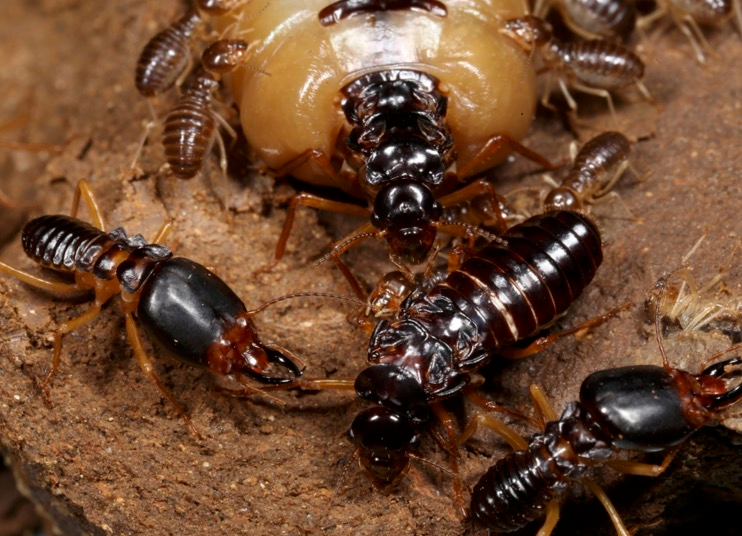
Some new genes were certainly needed for communal living, Lo told IFLScience. For example, infectious diseases could go through such a dense and genetically similar population like wildfire. Consequently, termites have evolved extensive grooming and cleaning processes to keep pathogens out. They also eat dead members of their colony rather than wasting precious protein, but need to be able to recognize which ones shouldn’t be touched.
However, the new genes that make this possible, often arising from the replication of old genes that find new purposes, have nowhere near balanced what has been lost. Cockroaches have 2-4 billion base pairs in their DNA, while most termites have about a billion. The lost genes reflected the greater danger of living outside logs, Lo told IFLScience, but also a lot to do with diet.
Termites have organisms in their gut capable of breaking down the cellulose in wood, and turning it into the nutrients the termites need. In effect, the insects outsourced part of their genome responsible for food to the microbes.
Lo and co-authors also found that sperm from termites, with the baffling exception of one species, lack tails. This is a trait found in several other species of cooperative breeders, where a monogamous pair is supported by relatives. Where females are very strictly monogamous, sperm don’t need to compete to get to the egg, removing pressure to swim well. “It’s energetically costly to produce a lot of sperm with tails,” Lo told IFLScience, so where it’s not needed species don’t.
Of course, even where there is no competition, human sperm need to be able to swim to fertilize eggs, or at least did until IVF was invented. However, Lo said, both the male and female termite reproduction systems changed over time so that the fertilization process was easier, once monogamy was strict, and a termite with faster sperm wouldn’t win the genetic race.
“This loss doesn’t cause monogamy,” Professor Lo said in the statement. “Instead, it’s a strong indicator that monogamy had already evolved. Once monogamy was locked in, there was no longer any evolutionary pressure to maintain genes involved in sperm motility.”
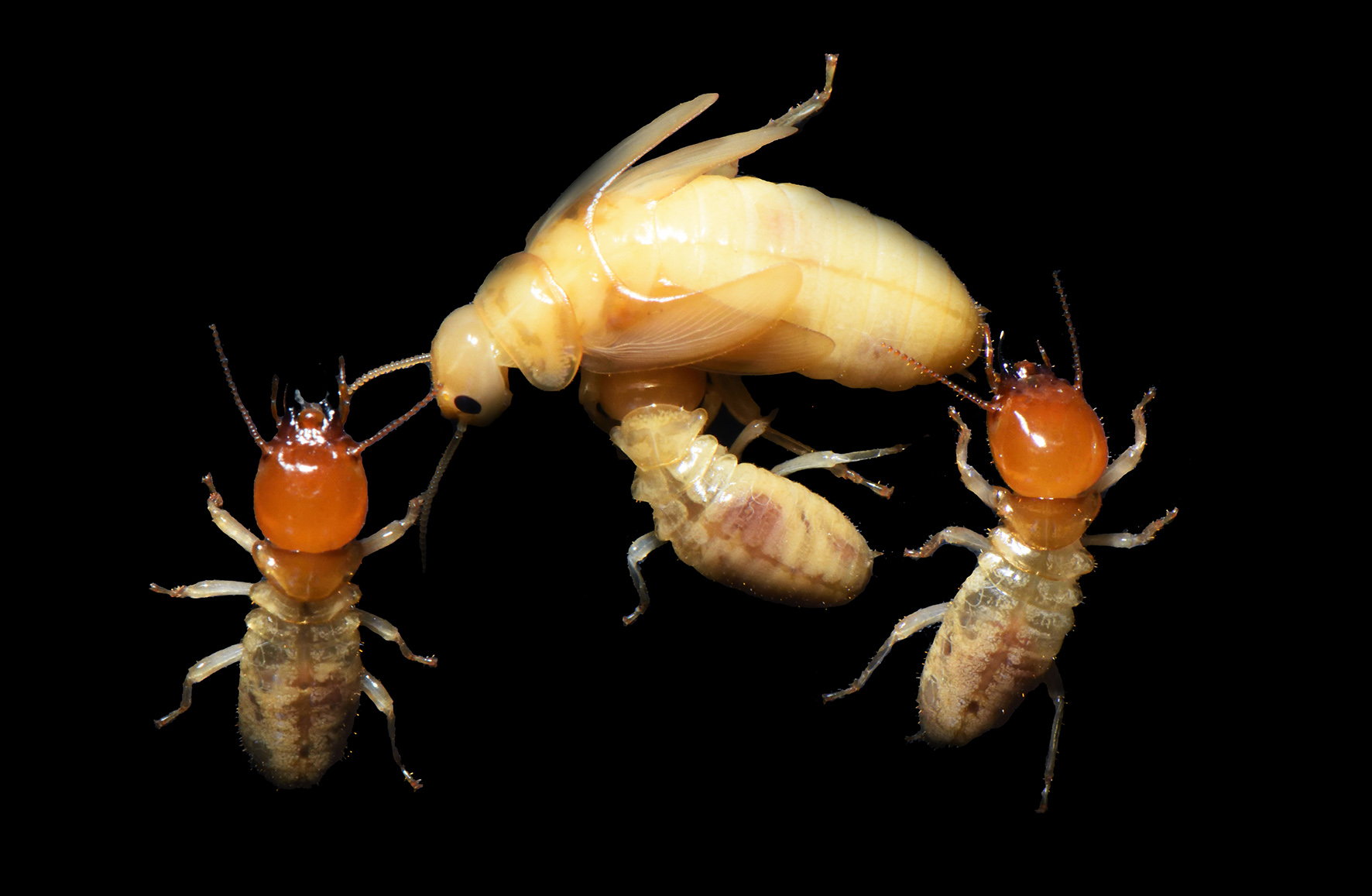
While some may jump to dubious conclusions about humans, Lo is instead interested in the implications for a debate among scientific heavy-hitters about the conditions required for large colonies with only a few breeders to evolve. It was once accepted that various insects could only maintain such colonies without conflict because of their close relationships – most forego breeding because the queen (and king in termites’ case) is such a close relative that their genes are still transmitted.
However, the famous biologist E.O. Wilson, once a strong advocate for this, teamed up with Martin Nowak and Corina Tarnita to publish a paper arguing that such close relationships were not essential for colony formation. Debate has raged since, but Lo says his team’s work shows cooperative breeding is linked to relatedness, at least in termites.
If the king and queen were irreplaceable, the colony would be highly vulnerable. Instead, each termite colony has a small number of offspring that can take over, based not on genetics but on their early food.
Where bees give royal jelly to future queens, termites use quantity, not quality. Most nymphs are fed enough to grow quickly and become sterile workers, while a few are relatively neglected, resulting in slow growth that also maintains a capacity to take over as breeders if necessary. New colonies are formed by these potential breeders, and the new king and queen provide parental care to their first offspring, who subsequently take over the feeding of their younger siblings.
The study is published in Science.

 1
1