Space and Physics
 PUBLISHED



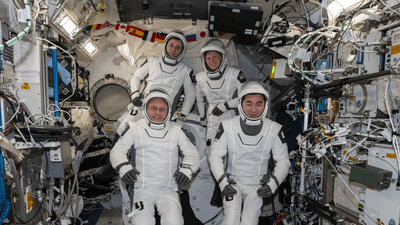


NASA and SpaceX are targeting 5:05 pm EST today, Wednesday, January 14, for Crew-11's departure from the International Space Station (ISS) in the first-ever medical evacuation from the satellite. Bar changes in weather or sea conditions, this would mean that the four space travelers will splash down off the coast of California at 3:41 am tomorrow morning, Thursday, January 15.
Crew-11 is composed of NASA astronauts Zena Cardman and Mike Fincke, JAXA (Japan Aerospace Exploration Agency) astronaut Kimiya Yui, and Roscosmos cosmonaut Oleg Platonov. They have been on the ISS since August 2025 and were supposed to stay on for a few more weeks, but a medical emergency has forced NASA to consider an earlier departure. While the astronaut affected is stable, the agency has decided that it is better to get them back to Earth sooner rather than later.
It will be possible to watch the return on the agency’s YouTube channel, as well as NASA+ and Amazon Prime. The stream will begin at 3 pm EST with the closing of the hatch of the Crew Dragon capsule and continue until departure. It will then be switched to audio only, through the several hours of re-entry, before returning to video at about 2:15 am. NASA Administrator Jared Isaacman will lead a Return to Earth news conference at 5:45 am.
The ISS is equipped for the medical care of the astronauts and cosmonauts on board. There are medicines available, equipment for simple medical analysis and interventions, and they are even trained for emergency intervention (you can see how they’d perform CPR in space).
NASA has not shared details of the medical situation to respect the privacy of the space traveler in question, though they stressed that the medical evacuation is not due to an emergency. The medical team on the ground has conducted an assessment of the astronaut's health – known as a workup – but with the limited resources on the ISS, they decided that it was better to err on the side of caution and bring the astronaut back down.
“The best way to complete that workup is on the ground [...] where we have the full suite of medical testing hardware. Now, again, because the astronaut is absolutely stable, this is not an emergency evacuation. We're not immediately disembarking and getting the astronaut down, but it leaves that lingering risk and lingering question as to what that diagnosis is,” NASA's Chief Health and Medical Officer Dr JD Polk said during a press conference last week.
A medical evacuation from the ISS is a first in the history of human space travel. Still, it is good to see that the human element is prioritized above all else.
“Crew safety, as always, remained our highest priority, as it always is across the agency. We never take shortcuts. We never compromise when it comes to protecting our astronauts,” NASA associate administrator Amit Kshatriya added.