Nature
 PUBLISHED


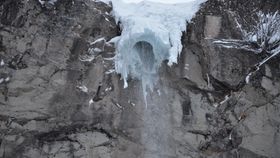


A waterfall in Russia that draws hundreds of tourists every year when it freezes has collapsed, injuring three people and killing one.
The 40-meter (130-foot) giant icicle snapped on January 7, trapping the tourists underneath a huge ice sheet for several hours, according to the Russian Emergency Situation Ministry.
More than 40 rescuers were helicoptered in to free the trapped tourists, combining forces from the Kamchatka search and rescue squad, the Kamchatka emergency services canine crew, and doctors from the Territorial Center For Disaster Medicine. All were pulled from the ice. One boy and his father were flown to intensive care with serious injuries and a woman refused hospital treatment. Sadly, a 40-year-old man was declared dead at the scene.

The Vilyuchinsky waterfall in the Kamchatka peninsula in the far east of Russia is a popular tourist destination year-round, as it is formed from the melting of a glacier on the slopes of the Vilyuchinsky volcano. In winter it is known as the “Tsar Icicle” as the waterfall freezes solid into a giant towering icicle, attracting hundreds of visitors determined to catch sight of this unusual phenomenon.

It's not known what caused the break, but reports in Russian media suggest an avalanche on a nearby volcano, though this hasn't been confirmed, according to BBC News.
A criminal case has now been opened by the Kamchatka Investigation Department of the Investigative Committee of Russia into the provision of tourist services that do not meet safety requirements. According to the investigation, on January 7, a group of 10 people was standing about 8-10 meters from the ice ledges of the frozen waterfall when the upper part of the waterfall cracked and fell down, showering the people below with ice fragments. The investigation is looking into why the giant icicle snapped and whether there was any way of preventing the incident by providing railings to stop people from getting too close to the foot of the waterfall, which has to be reached by foot, and safety warning signs.
The Russian Emergency Situations Ministry advises anyone hiking in the area to register their routes in case of emergencies, so rescue services can respond quickly, as well as carrying communication equipment such as a satellite phone and GPS navigation. Anyone visiting icy mountains should carry with them a shovel, compass, matches, flashlight, and first aid kit.
Frozen waterfalls are rare but not unheard of. In fact, waterfalls are known to act strangely around the world, including flowing backward up a cliff, glowing like fiery lava, and occasionally just plain disappearing.