Health and Medicine
 PUBLISHED
 1
1


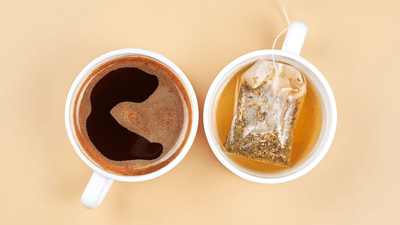


Coffee and tea definitely carry certain stereotypes. When you think of someone caning coffees all day, you imagine someone who is jittery, rush-y, perhaps a little agitated. Tea, however, carries an air of calm, and yet in terms of caffeine composition they’re not so far apart.
Caffeine in coffee vs. tea
A 2008 study that brewed 20 commercial tea products found that the caffeine content across the varieties ranged from 14 to 61 milligrams per serving.
The caffeine content of coffee varies depending on the size and type of your drink. If you’re knocking back double espressos, you can be looking at 60 to 100 milligrams of caffeine, while the average cup ranges from 65 to 120 milligrams, according to the University of Washington.
So why is it we associate coffee with being more of a sledgehammer into wakefulness while tea is a gentle slide? It seems to come down to a little thing known as L-theanine.
L-theanine – tea's secret recipe to success
L-theanine is an amino acid that naturally occurs in the tea plant Camellia sinensis. It’s actually pretty rare in nature, found in just tea and a few mushrooms, and there’s none of it in coffee beans.
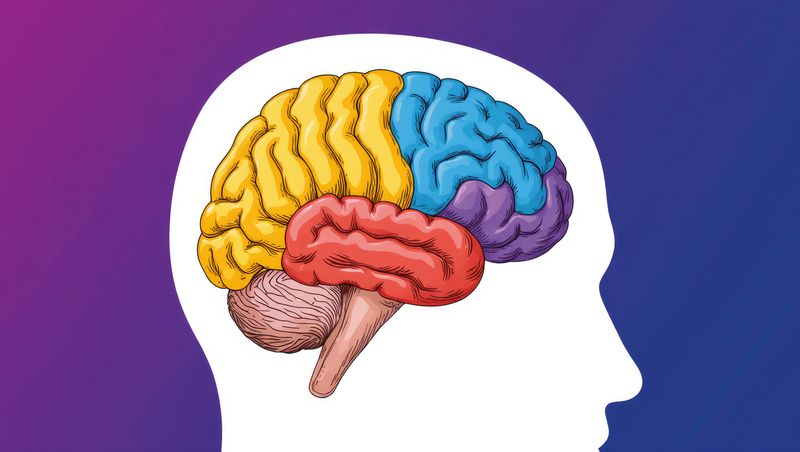
That means your cup of tea differs from coffee in delivering its caffeine with a side-serving of L-theanine, which appears to have a positive influence on our capacity to concentrate.
A controlled trial back in 2010 looked at this effect by giving 44 young adults either a placebo or a combination of L-theanine and caffeine to observe if and how it altered participants’ cognitive performance.
It found that L-theanine and caffeine significantly improved accuracy and alertness. It also reduced tiredness, though it’s worth noting some of these effects were self-reported. The quantities of caffeine and L-theanine were also above that you’d typically find in a cup of tea.
To address this, a later 2015 study used quantities more reflective of two cups of tea and found little evidence of any benefits from L-theanine alone (though it did alter patterns of blood flow in the brain). However, once combined with caffeine it had the most consistent benefits for attention and cognition.
Swerving the jitters
What’s interesting is that while caffeine alone increased alertness, the participants did better when it was combined with L-theanine without getting the same jitteriness associated with a caffeine overload. It seems L-theanine provides an extra boost without giving you the negative side effects of a coffee binge.
That’s not to say that coffee is a bad brew, however. Recent research has found it may keep us young, and may also be beneficial for the heart. As well as giving you a more relaxed kind of alertness, regularly drinking tea has been linked to beneficial changes in the brain, so kick back and enjoy your bean/leaf broth. You’ve earned it.