Nature
 PUBLISHED


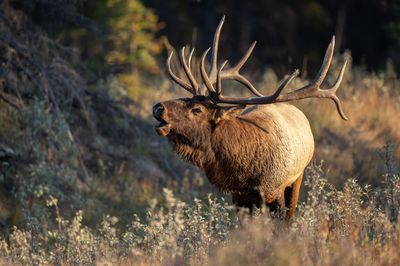


Across North America, elk are gearing up for their annual breeding season, known as the rut. As exciting a spectacle as it may be to behold, visitors to a number of national parks are being warned to keep their distance from the amorous elk, which are especially unpredictable during this time.
Male elk, called bulls, experience heightened testosterone levels during rutting season, which usually lasts from September through October, making them more likely to exhibit defensive behavior as they compete for dominance and female attention. To do so, they display their antlers, emit strong, musky odors, and make unmistakable, high-pitched sounds called bugles:
Bulls will charge at any perceived threat, including you if you get too close – they weigh up to 500 kilograms (1,100 pounds), so it’s really not worth the risk. Meanwhile, female elk (cows) are particularly protective of their calves, so it’s best not to bother them either.
As such, a number of National Parks have issued warnings and implemented seasonal closures to protect elk and tourists alike. For example, until the end of October at Rocky Mountain National Park, meadow closures will be in place between 5 pm and 10 am to “prevent the disturbance and harassment of elk” and for the “safety and enjoyment of park visitors”.
Fishing locations along the Fall River, Thompson River, and Colorado River that are accessed through closed meadow areas will also be closed to fishing between 5 pm and 7 am.
Great Smoky Mountains National Park, as well as Parks Canada, have issued similar warnings. “Visitors are encouraged to enjoy the beauty of elk in their natural habitat while also prioritizing safety and conservation,” reads a statement from Great Smoky Mountains National Park.
They offer tourists some helpful tips for achieving this:
- Keep at least 45 meters (150 feet) from elk. Wilfully approaching them in such a way that causes them to change their behavior could result in fines or arrest.
- Respect area closures and follow directions given by park rangers and volunteers regarding your viewing distance.
- If you’re driving, make sure to obey speed limits and remain vigilant.
- When viewing elk from your vehicle, use designated pull-offs and make sure your vehicle is completely off the roadway and not obstructing traffic.
- If an elk approaches you, calmly back away and give it plenty of space.
For the best chances of seeing elk, national park officials recommend heading out in the early morning or late evening hours, when elk are most active. But remember: while it can be exciting to witness the frenzied behavior of elk during the rut, don’t risk the wrath of a frisky bull or incite the maternal instincts of a cow for the sake of a photo.