Nature
 PUBLISHED



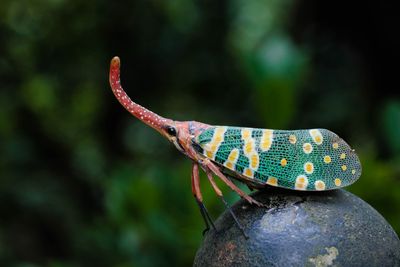


It’s a question that has foxed biologists for centuries. Just how many species of animal are there? Well, a new study might have just blown all previous estimates out of the water, at least as far as insects are concerned.
When Carl Linnaeus first got his head down and created a system for naming species in the 1700s, he classified around 4,200 species of animal. Over the years, scientists have added to that list, and the total number of described animal species now sits at around 1.5 million. But that is known to be a massive underestimate.
The reason is that there are myriad biases in how species are collected, where they are collected, and even who is collecting them to begin with. This means that while animals from Europe and North America are, relatively speaking, pretty well known, those from places like Africa, Asia, and South America are vastly understudied.
This causes a problem.
“We cannot protect species if we don’t know that they exist, and so to be able to understand the biodiversity on our planet, it’s important to know how many there are,” said Laura Melissa Guzman, an entomologist at Cornell University and lead author of this latest study, in a statement.
“We know there are many more to go, and one of the challenges is the more we sample, the more we discover. It’s a question of trying to estimate what is unobserved based on what we know.”
Looking at insects, the most diverse group of animals on the planet, the most widely accepted estimate for some time has been that there are up to 6 million species on Earth. But Guzman and her colleagues have published a new estimate, and they’ve concluded this is probably a huge underestimate.
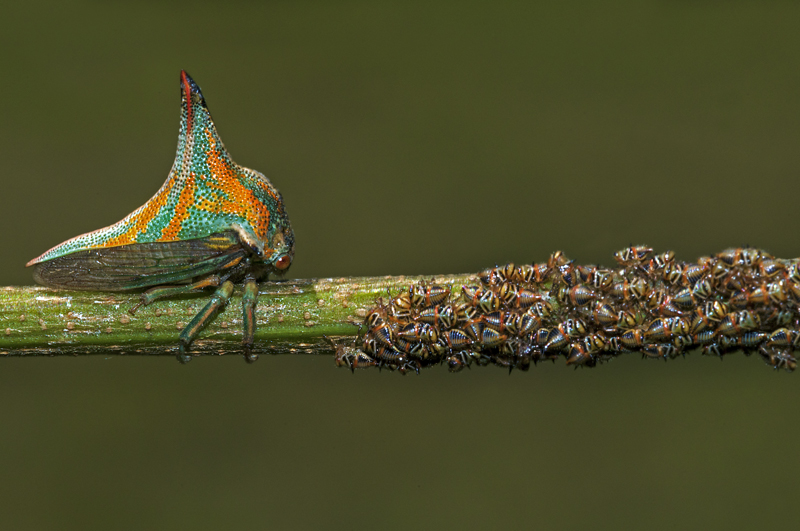
Incredibly, it looks like there could be up to 20 million species of insects on the planet, of which over 18 million are yet to be described.
So how, exactly, do you go about estimating the number of unknown species of insects, especially when they're found in environments spanning mountainous plateaus to coastal mangroves?
Well, it involves a little lateral thinking – and quite a lot of math.
Known unknowns
The estimate is based on an extraordinary dataset of some 1.6 million insect specimens, totaling almost 54,000 species, collected in Costa Rica from 15 insect traps.
The traps ran for an average of just over four-and-a-half years each and spanned dry forest, cloud forest, and rainforest in the center and around the edge of the Área de Conservación Guanacaste, a UNESCO World Heritage Site.
Despite catching an incredible number of insects, the team still needed to know how biased these samples were. For example, traps on the ground will obviously miss any insects flying in the canopy. This means the traps are likely to be undersampling the species richness.
To try to get a hold on this, the researchers focused their attention on a single group of highly diverse insects: microgastrine parasitic wasps.
The researcher compared the number of species from insect traps with samples they gathered themselves. This involved collecting some 1,500 species of wasp-infected caterpillars and then raising the parasitic larvae to see what species of wasp emerged. This gave the team an additional 11,000 insect specimens.
In total, the researchers identified 1,414 species of wasp from 21,500 specimens. By comparing the sets of wasp species found in each habitat between the two methods, the team could estimate how many species they might have missed. The result came in at between 2,400 and 3,400 species.
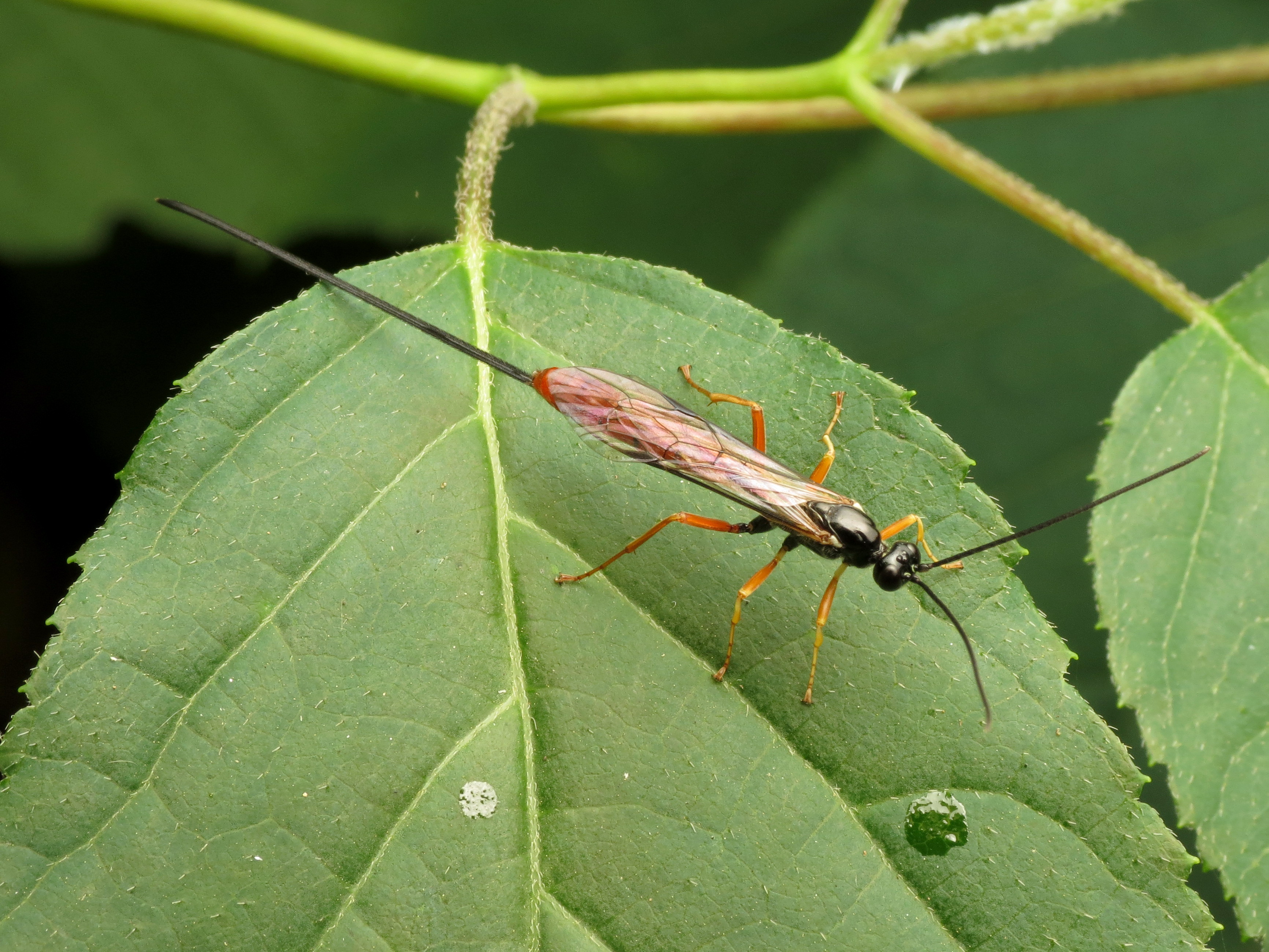
The team could then take a ratio of known to unknown species based on the parasitic wasp data and apply it to all 1.6 million specimens they caught. This gave them a figure of some 333,000 species in the Área de Conservación Guanacaste alone.
Expanding this further, using a combination of the number of tree species and four other animal groups as references, the researchers landed on their final estimate for the total number of insect species in the world: between 14 and 20 million species.
“Our results point to a large number of undescribed insects, those without a name,” says Guzman. “With recent reports of insect declines, there could be many species that are declining that we haven’t even discovered.”
Will we ever name every species?
The naming of a species is often a long and arduous process. It requires experts in their field to look at a specimen, realize it is different from all others, and then do a detailed comparison with other similar species housed in museums around the world. Only then can they confidently name and publish it as a new species.
Put bluntly, there are simply not enough scientists doing this work to even scratch the surface of naming all species of insects.
But this is where new technology could come in. This latest study used a method called DNA barcoding. This takes small segments of DNA from a specimen and compares them with a database of the same DNA segments from known, described species.
While it cannot identify a new species itself, the process can rapidly narrow down potential new species for scientists to focus on.
With insect numbers currently in decline around the world and many species likely disappearing before we’ve even had a chance to look at them, this could be a vital tool in documenting life on our planet before it's too late.
The study was published in the journal PNAS.