Health and Medicine
 PUBLISHED




It was a normal Monday at IFLScience when a chance conversation between colleagues sparked an idea. That happens quite a lot round these parts – we tend to favor the weird and wonderful – but this was something I knew we needed to run with, and quickly.
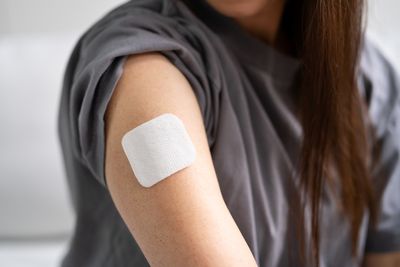
My coworker was telling me about the baffling array of so-called “vitamin patches” they had encountered on a weekend trip to the pharmacy. Promising a list of health benefits as long as the arm you’re going to stick them onto, these patches offer a mess- and fuss-free way of getting various beneficial substances into the body.
That would be great, if they actually worked.
Getting under your skin
Your skin is the largest organ in your body and it’s also the first line of defense between you and your environment, with all of its pollutants and pathogens. In other words, one of skin’s primary functions is to keep stuff out.
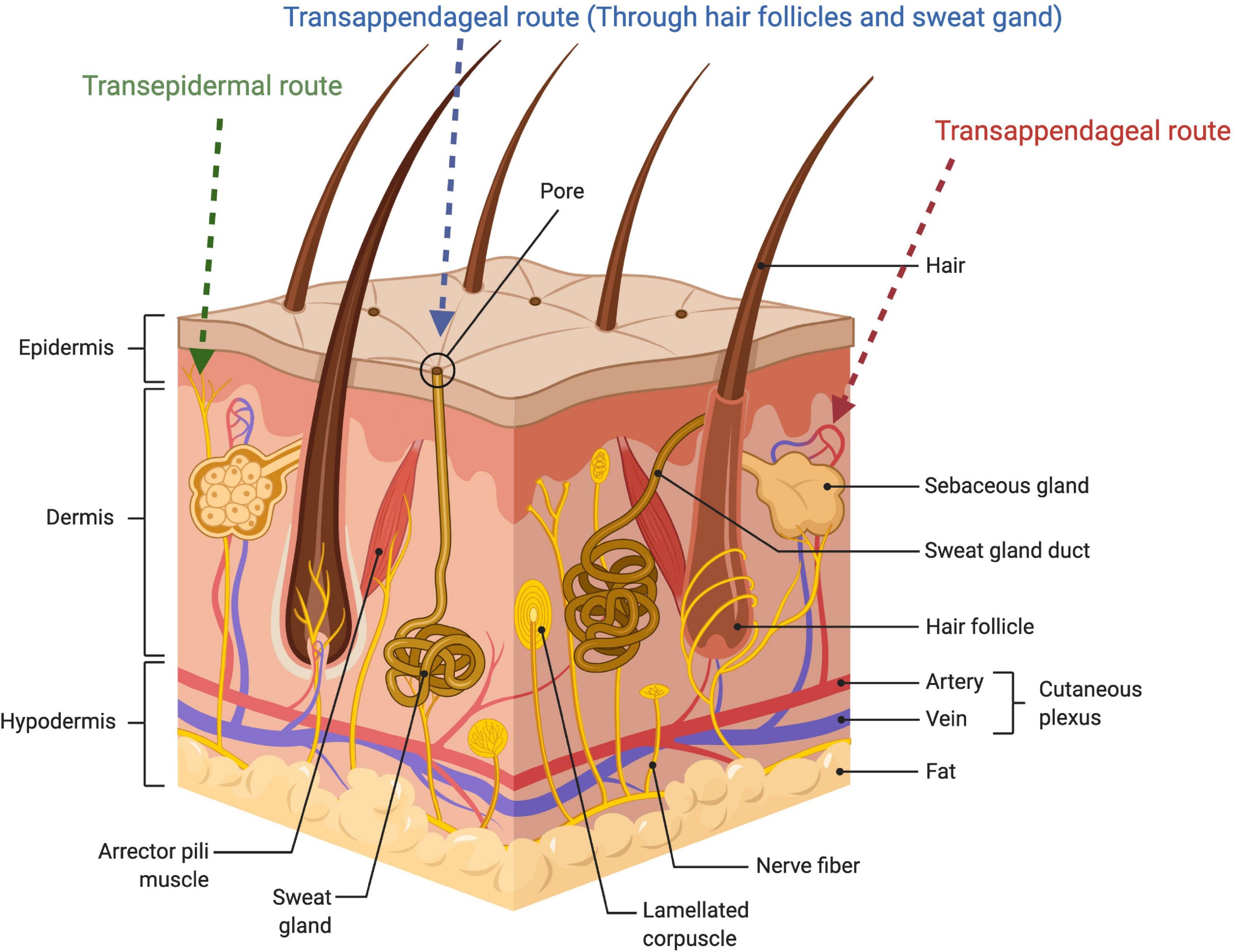
“The skin’s barrier function is almost entirely and quite remarkably accomplished by the stratum corneum,” says a 2021 paper. That’s the very outermost layer, just one-hundredth of a millimeter thick.
Protecting the skin barrier is an important part of maintaining skin health. In people with conditions like eczema, the skin barrier is weakened, leading to dryness and inflammation.
That’s not to say that it’s impossible to absorb substances through the skin. The 2021 paper details several strategies by which drugs can be optimized for delivery through the skin – what’s known as transdermal drug delivery (TDD).
For example, a widely cited figure suggests that no molecule above a molecular weight of 500 Daltons is capable of penetrating the barrier. Other strategies involve physical penetrating the skin barrier to help absorption using things like microneedle arrays.
With some clever bioengineering, it has been possible to develop some medicines that can be administered via TDD.
“The drug initially penetrates through the stratum corneum and then passes through the deeper epidermis and dermis without drug accumulation in the dermal layer,” explains a 2015 review. “When drug reaches the dermal layer, it becomes available for systemic absorption via the dermal microcirculation.”
This can be useful in a number of clinical situations, such as when patients are unconscious, afraid of needles, or can’t take medicines orally due to stomach issues. Delivering them in this way can even help reduce the side effects of certain medications and improve bioavailability – how much of the active ingredient is available for the body to use – by avoiding the digestive system.
TDD is used today for some common treatments, such as estrogen/progesterone-based hormone replacement therapy and nicotine replacement therapy for people quitting smoking.
That does not mean, however, that you can slap any old substance onto the skin and hope for the best.
Dodgy claims and missing evidence
In February 2026, the UK’s Advertising Standards Authority (ASA) – which regulates the advertising industry across all media – published its ruling on four Facebook ads posted by Kind Patches Ltd. Complaints had been made about misleading health claims in the posts.
The ads referred to a range of products from Kind Patches. Their NAD+ Patch supposedly provides the “secret to youthful energy and vitality”, with claims about DNA repair, aging, and mitochondrial health. Feeling stressed and demotivated? Their Dopamine Patch will allegedly help with that. Caffeine just not cutting it? They have an Energy Patch packed with vitamin B12.
In response to the challenge, Kind Patches refuted the idea that their product claims were misleading, but the ASA dug deeper.
Of the scientific evidence that Kind Patches submitted to support their NAD+ Patch claims, the ASA found: “Four of the clinical trials involved individual ingredients found in the NAD+ Patch, being administered orally, not through the skin, and in quantities that exceeded the amount found in Kind Patches’ product.”
It was a similar story for the Dopamine Patch, with six of seven clinical trials talking only about oral administration, not transdermal, and for the Energy Patch (four out of five trials).
“Considering the evidence in its entirety,” the ASA wrote, “we concluded that the claims had not been substantiated and the ads were misleading.”
This is just one example of one company and one set of advertisements. But it begs the question: how many other similar products with a – shall we say shaky? – evidence base are out there for people to buy?
What is in a supplement?
IFLScience has previously explained the questionable “science” behind so-called mood patches. Some of these contain vitamins or plant extracts that are supposed to help with symptoms like anxiety and low mood, but they get really wacky when they start talking about altering “biological frequencies” and “rebalancing energies”.
There are also increasing numbers of vitamin patches entering the market, which promise to deliver specific nutrients via TDD, such as vitamin D or, as we saw above, B vitamins.
In the US, dietary supplements – the category these types of products would fall under – are not subject to approval by the Food and Drug Administration (FDA).
This is an important distinction from the TDD medicines we spoke about earlier, like nicotine replacement therapy. These are pharmaceuticals and therefore must be approved by the FDA like any other drug.
As with all supplements, the makers of vitamin patches can’t market them as treatments for a particular condition or disease – they can only describe how their ingredients may support the structure or function of parts of the body.
To put that in context, someone could produce a patch containing vitamin C and claim that it supports the function of the immune system, and the health of the skin and bones. Vitamin C is involved in all of these systems in the body, so those claims are allowed.
As a consumer, however, that tells you nothing about whether there’s enough vitamin C in the patch to make a difference to your health, whether TDD is a suitable way of getting vitamin C into the body, or whether you even need to be supplementing vitamin C when eating an extra orange might do the trick.
There are really two questions here: are specific supplements worth taking at all, and if so is the transdermal route suitable or feasible?
There’s huge variation in the evidence base between supplements. Some are recommended widely by health professionals.
The UK government recommends a vitamin D supplement for everyone during the autumn and winter months, though even that is controversial. Prenatal vitamins containing folic acid and iron are also widely recommended – for folic acid, in particular, there’s strong evidence that supplementation before and during pregnancy considerably decreases the risk of neural tube defects, so much so that countries have started to fortify flour with the nutrient.
But for many others, it’s less clear cut that there’s any benefit for otherwise healthy individuals. A 2022 article in the American Medical Association Journal of Ethics said, “the evidence is minimal or even nonexistent for many products.”
As for whether TDD even works for vitamins, there’s much less evidence to go on. This is comparatively new technology compared with oral supplements. A 2021 paper looked at the evidence and possible future directions for TDD and summarized it thus: “the transdermal delivery seems promising with regard to nutritional supplementation, however limited evidence exists for its efficacy in humans.”
The bottom line
Purchasing supplements is already a bit of a risky game for the consumer. Without the same level of scrutiny that’s applied to pharmaceuticals, it’s hard to be confident your money is going towards a product that will really do what it claims.
If you’re considering any type of dietary supplementation, be it pills, powders, or patches, the best thing to do is consult with a doctor first. Symptoms you’re experiencing could be signs of an issue that would benefit from medical investigation, or they may be able to help you navigate the confusing world of wellness to find products with a better evidence base.
In the US, there’s also the USP Dietary Supplement Verification Program. Products with this verification have been checked to ensure they include the same ingredients, in the same quantities, that are labeled on the bottle.
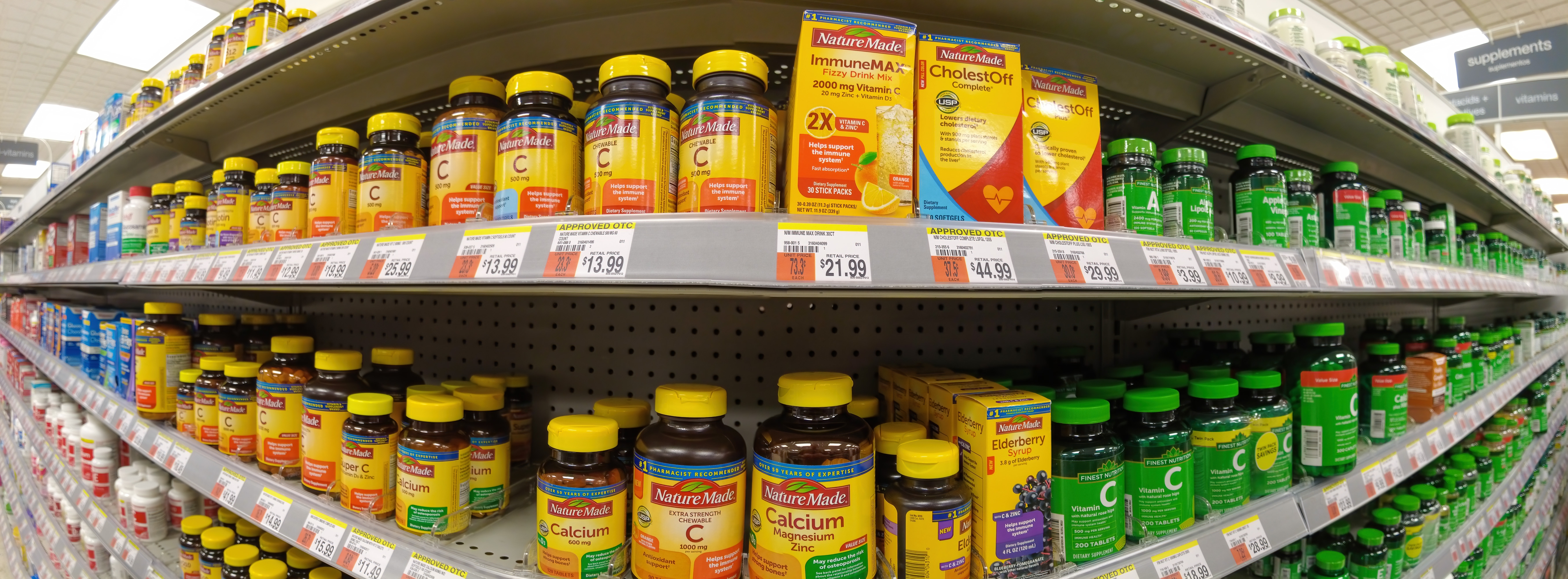
If the evidence for many supplements taken orally is slim, there’s even less for the use of transdermal patches. As with most products promising a world of health benefits, if it sounds too good to be true, it probably is.
And yes, I recommended to my coworker that they swerve the vitamin patch shelves and save their money, at least for now.
The content of this article is not intended to be a substitute for professional medical advice, diagnosis, or treatment. Always seek the advice of qualified health providers with questions you may have regarding medical conditions.
All “explainer” articles are confirmed by fact checkers to be correct at time of publishing. Text, images, and links may be edited, removed, or added to at a later date to keep information current.