Nature
 PUBLISHED




The winners of this year's joint BMC Ecology and Evolution and BMC Zoology image competition have been revealed, with submissions from ecologists, zoologists, and palaeontologists across the world showcasing the very best in science images and stories capturing an incredible range of wildlife behavior, and researchers' attempts to understand it, through photography.
The overall winner this year was captured by Andrey Giljov, Senior Lecturer at Saint Petersburg State University, for his image entitled “Sparring Saigas on the Steppe,” featuring two male saiga antelope in a sparring match. In 2015, over 200,000 saigas were wiped out in a catastrophic die-off event, but now the population has rebounded.
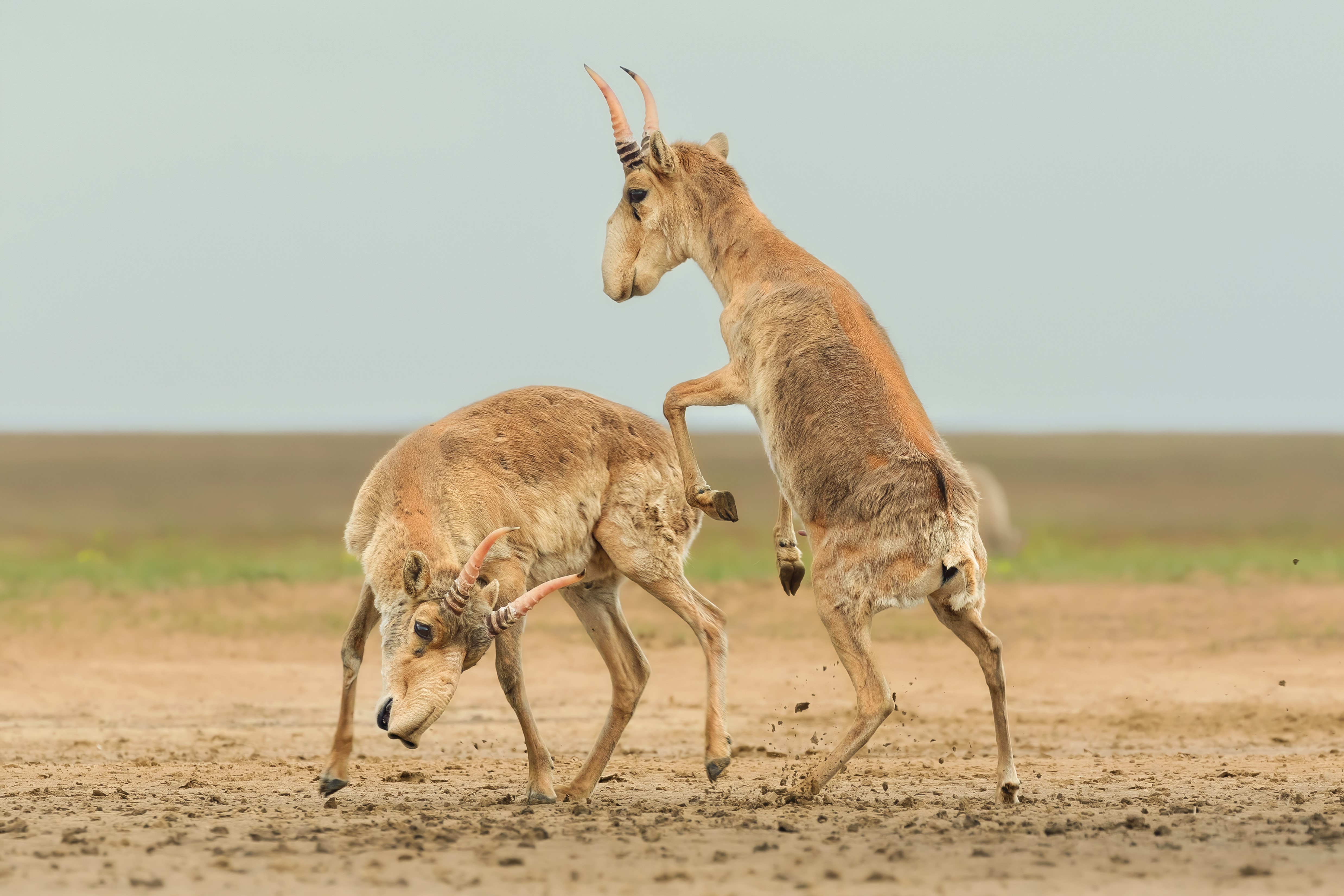
“To photograph the saigas from ground level, we had to set up a camouflaged hide near this so-called social arena. We had to conceal ourselves in the dark to avoid scaring off approaching saigas or making unnecessary noise; otherwise, the animals would not come close,” explains Giljov.
Here's a selection of the winners and runners-up that caught our eye.
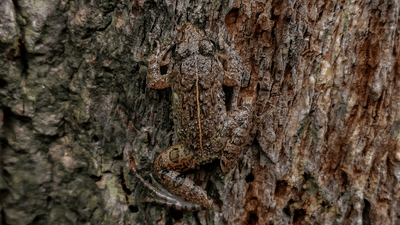
In the ‘Colourful Strategies’ category, Sritam Kumar Sethy was runner-up with his image of an Asian grass frog perfectly camouflaged against the tree bark, as shown at the top of this article. "The frog’s camouflage serves a dual purpose: it helps evade predators such as snakes and birds while also providing the perfect disguise for ambushing prey. With patience and precision, it hunts small insects, millipedes, and worms, relying not on speed but on invisibility and timing,” explains Kumar Sethy.
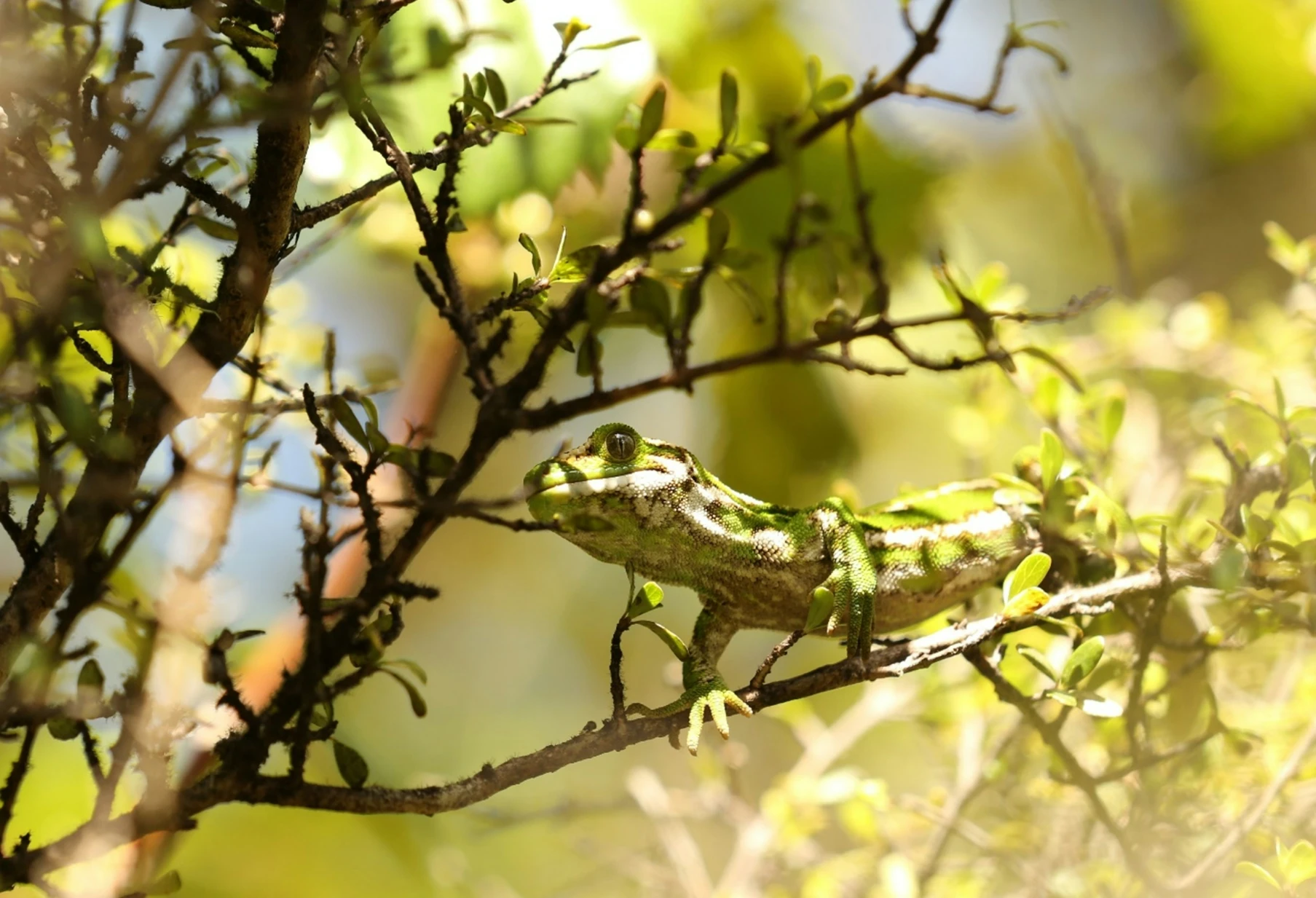
This was a hotly contested category with Jonathan Goldenberg’s photo of a jewelled gecko also within the same category. Though the photo did not win a prize, the image reveals the skin of the gecko as it mimics the foliage around it. Jewelled geckos are listed as Endangered by the IUCN and face threats such as illegal poaching, invasive species, and habitat destruction.
Nick Royal’s image of a male blue ground beetle (Carabus intricatus) took the Best in Category for 'Research in Action'. These beetles are among the rarest in the UK and are part of a research study that fits them with tiny backpack-like radio tags that allow researchers to track their movements for around two weeks.
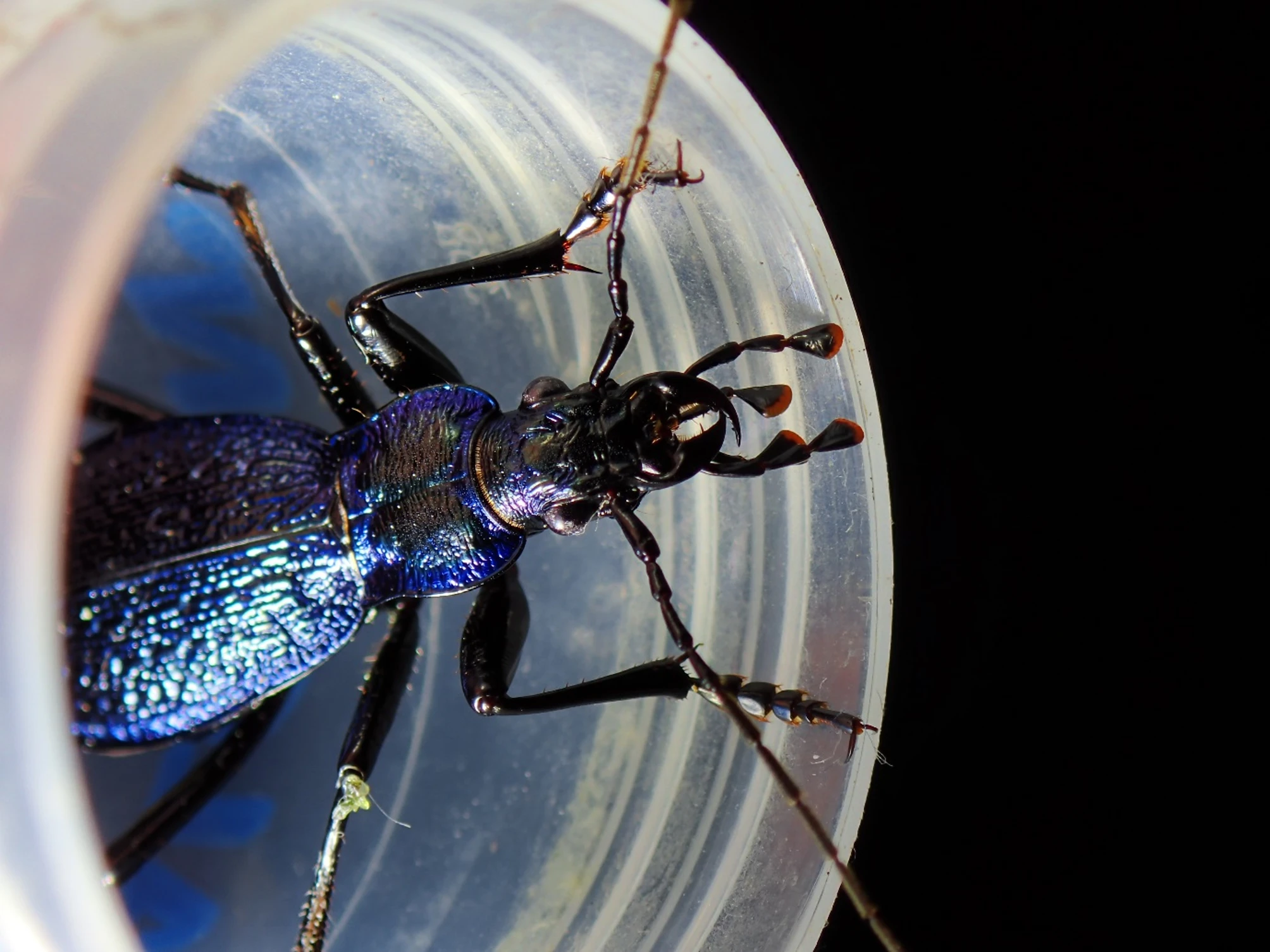
“BGBs are most active when conditions are warm and humid, and they prefer the interior of the forest, where there is ample leaf cover and conditions are more stable, actively avoiding edges. They favour areas abundant in old, rotten deadwood and other sites (refugia) where they can safely rest during the day and breed, as well as locations with a plentiful supply of their preferred slug prey,” explains Royal.
The rest of the winners and runners-up are published in BMC Ecology and Evolution and BMC Zoology.