Nature
 PUBLISHED


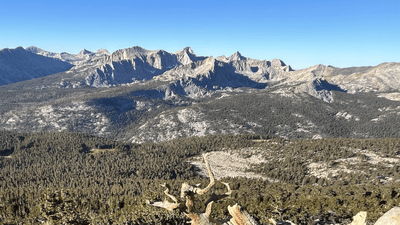


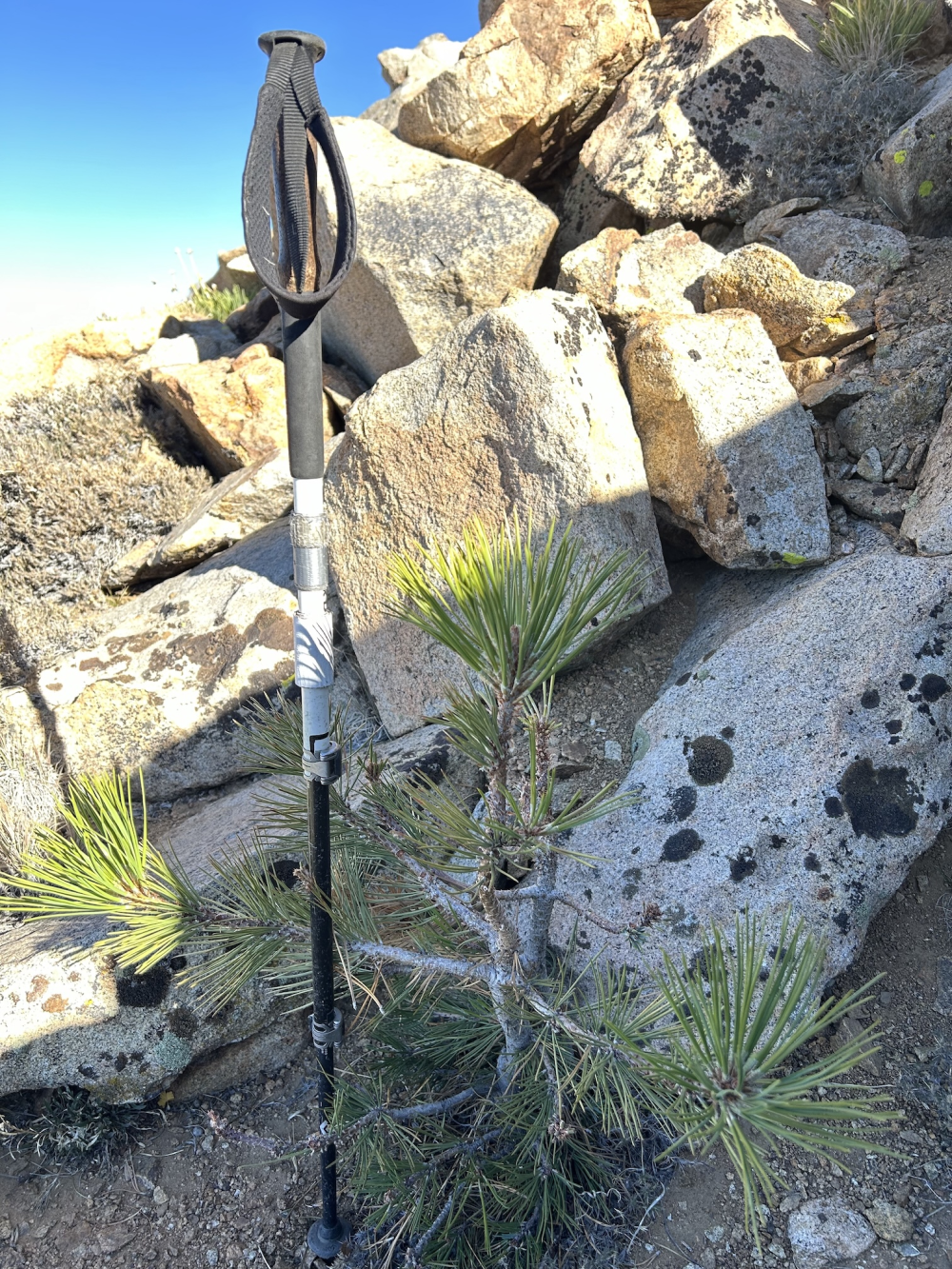
Big news, California. It’s been confirmed that you have a new record for the highest tree, discovered by happy accident at a dizzying elevation of 3,858 meters (12,657 feet). The Jeffrey pine came as something of a surprise to UC Davis Professor Hugh Safford, who spotted the species while out hiking just for fun in California’s High Sierra.
I guess sometimes you really do stumble upon discoveries.
This all began in September 2024, when Safford reached the south slopes of Mount Kaweah in Sequoia National Park. There were a few of the usual botanical suspects up there, like the foxtail pine and lodgepole pine, but then came a surprise.
“I thought, ‘What’s that?’” said Safford in a statement. “I walk over, and it’s a Jeffrey pine! It made no sense. What is a Jeffrey pine doing above 11,500 feet [3,505 meters]?”
In case you’re a little new to Jeffrey pine antics, these trees are typically found at much lower elevations. In fact, this sighting topped the previous record by 567 meters (1,860 feet) and comes out higher even that those altitude-loving lodgepole and foxtail pines.
Beyond being a record-breaking sighting, the discovery of a Jeffrey pine is also a critical snapshot into how the changing climate is influencing California’s highest peaks. At such elevations, changes in temperature can have dramatic effects as snow melts, freeing up new real estate upon which trees’ seeds can germinate.
Climate modeling has so far predicted that species attempting to escape increasing temperatures by moving uphill aren’t doing it fast enough, but those models don’t account for things like the seed dispersal of birds. It could be that this is a previously unappreciated window of ecological opportunity that might explain why trees like Jeff are popping up in unexpected places.
“I’m looking at trees surviving in habitats where they couldn’t before, but they’re also dying in places they used to live before,” Safford said. “They’re not just holding hands and walking uphill. This crazy leapfrogging of species challenges what we think we know about these systems reacting as the climate warms.”
While Safford’s observation last September represents just one stroll, it seems fairly likely that this Jeffrey pine is indeed California’s highest tree because, to date, none of the six key subalpine forest species have been recorded above 3,668 meters (12,034 feet). It’s for this reason that Safford reckons we need to rethink how we survey trees.
“People aren’t marching to the tops of the mountains to see where the trees really are,” he said. “Instead, they are relying on satellite imagery, which can’t see most small trees.”
“What science does is help us understand how the world functions. In this case, where you see the impacts of climate change most dramatically are at high elevations and high latitudes. If we want our finger on the pulse of how the climate is warming and what the impacts are, that’s where it will be happening first. We just need to get people out there.”
I would like to join the HATS (High-Altitude Tree Survey squad), please.
The study is published in the journal Madroño.