Nature
 PUBLISHED





How do you like your eggs in the morning? White? Brown? Blue? Personally my only preference has ever been “within expiration date”, but there is a scientific explanation as to the egg variety we see in nature – variety that’s existed for hundreds of millions of years.
The mineralized outer layer of eggshells is made of calcium carbonate crystallized into calcite, which is naturally white. Therefore, the default egg color is white, but chicken eggs can come in many other hues.
Browns are common. Blues, less so. For brown eggs, the key deciding factor is a pigment called protoporphyrin IX. The name might be a bit alien, but the color shouldn’t be, as it’s the same pigment that makes our blood red.
The hen’s uterus, or shell gland, incorporates the pigment during the egg’s formation, and how much pigment gets applied dictates how dark the egg comes out. Lots of pigment equals a very brown egg. Just a little and you’re looking at a pale brown egg, but environmental factors and stress can also contribute to the degree of coloration.
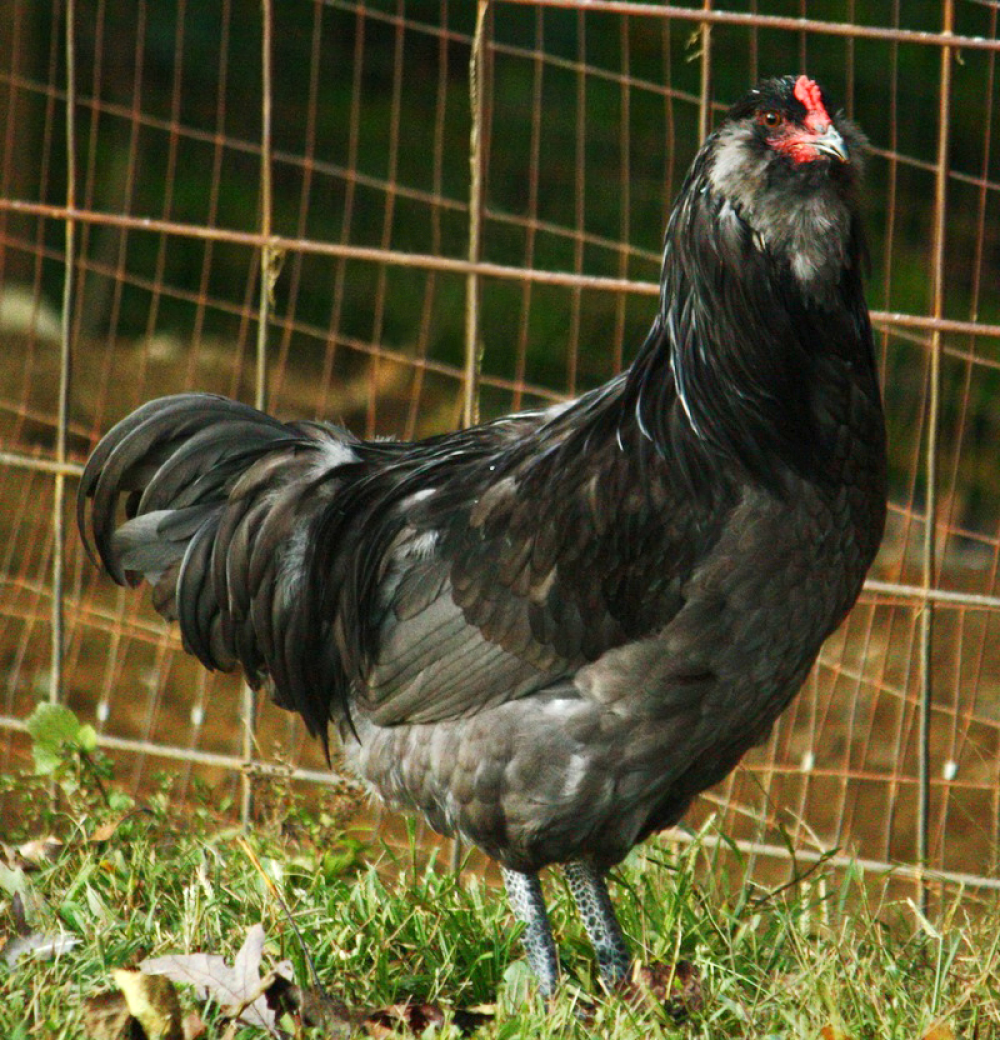
As for the chicken, their genes decide whether or not they add pigment to the egg-making progress and how much. So, egg color is determined by genes, but you don’t have to look that closely to guess what kind of egg a chicken might lay.
As a general rule, white chickens lay white eggs, and brown chickens lay brown eggs, but your best bet is to actually look out for their earlobes (yes, chickens have earlobes). Those that are white will lay white eggs. Then there's the chickens that lay blue eggs and, yes, they can be blue (albeit it a rather dusky, gray-looking blue).
Ameraucana chickens, famous for their “bearded” fluffy faces, come in eight plumage colors and can lay blue eggs. That's because of the pigment oocyanin. Fun fact, there are also chickens that can lay green eggs – the "olive egger" – because they’re the product of a hen and rooster with brown and blue egg backgrounds. The colors mix, creating a Dr Seuss classic.
As for having a preference, it really comes down to how much you care about color. According to Michigan State University, there are no known health benefits to any particular egg colorway despite misconceptions that brown eggs are somehow healthier.
The variation in egg color is, however, a throwback to these living dinosaurs’ origins. A 2017 study revealed that dinosaur eggs were colorful and speckled, just liked birds’, with examples dating back 150 million years.
So, that should be plenty of breakfast trivia for you to sink your teeth into.