Nature
 PUBLISHED


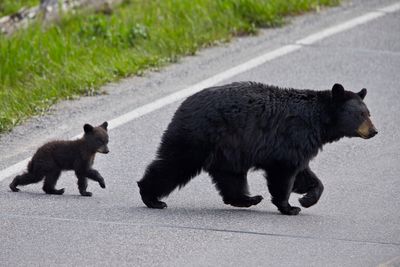


A gathering serving up bear meat in North Carolina turned grizzly last year after the undercooked meat led to what the CDC suspects was an outbreak of parasitic roundworms. As detailed in a new case study, 22 of 34 surveyed attendees reported eating undercooked bear meat at a gathering in November 2023 at an undisclosed location in western North Carolina.
Of those 22 who reported dining on the underdone meat, 10 experienced the signs and symptoms of trichinellosis, a disease caused by the larvae of parasitic roundworms of the genus Trichinella. Of these 10 probable cases, nine patients had facial swelling, six had achy muscles, and four experienced a fever.
Trichinella infections are far from enjoyable. If meat containing their larvae is ingested, the larvae grow in the intestines and mature into adult worms. The females then produce more larvae that enter the bloodstream and migrate to muscles, where they form cysts. The infection can trigger a myriad of unpleasant symptoms over time, from nausea and diarrhea to chills and headaches.
Oddly, five of the patients were tested for Trichinella antibodies and all results came back negative. However, the case report notes that it’s only possible to make a proper diagnosis if the patient’s blood is tested after recovery, but "none of those receiving testing returned for convalescent serum testing".
The majority of symptomatic persons in the outbreak were prescribed a drug to treat worm infections called albendazole – however, cost seemed to stand in the way of treatment, with the authors noting delayed treatment in some cases and "a prohibitively high cost for treatment (approximately $100 per course)."
The adventurous eaters were pretty lucky to apparently get away with a relatively mild illness, though. Severe cases of trichinellosis can lead to heart and breathing problems, occasionally proving fatal.
Trichinellosis used to be associated with eating undercooked pork, although modern regulations have dramatically lowered the risk. Today, it’s most commonly caused by consuming undercooked meat from carnivorous wild animals, including bears, wild boar, wildcat, foxes, wolves, seals, or walrus.
For instance, another case report published earlier this year tells the story of a family in North America that fell sick with trichinellosis after eating barbecued kabobs made from black bear meat.
Bear meat is legal to possess and eat in the US, according to Outdoor Life, although it’s generally not legal to sell. The meat of black and brown bears is said by some to be pretty tasty unless the animal has been eating a lot of fish (a rule that seems to apply to other forms of animal products too).
Clearly, it’s important to make sure it’s well-cooked. Trichinella is thought to be present in between 1 and 24 percent of Canadian and Alaskan black bears, and it’s not always possible to tell if their meat is infected with the naked eye. The parasite is also surprisingly tough and some species may not be killed by freezing alone.
If you’re still not put off by the prospect of ingesting bear burgers, it is recommended to cook game meat to a safe internal temperature over 74°C (165°F) to kill the parasite and help prevent infection.
The study was published in the CDC’s Morbidity and Mortality Weekly Report.



 1
1