Nature
 PUBLISHED
 3
3


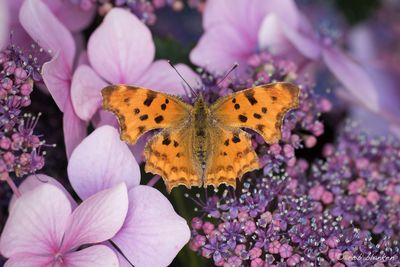


Spring has sprung in the Northern Hemisphere and if you’re looking to give your garden an all-natural boost, scientists have a simple trick: don’t cut your lawn. Gardeners and bug lovers have long sworn by this advice, but it's now been reaffirmed by scientific research.
In a new study, scientists at Butterfly Conservation in the UK found that allowing parts of your garden to grow wild with long grass can increase the number of butterflies by up to 93 percent.
“Nature is in crisis; 80 percent of butterflies have declined since the 1970s, so we need to take action now to protect them,” Dr Richard Fox, Head of Science at Butterfly Conservation and co-author of the study, said in a statement sent to IFLScience.
“We wanted to be able to give tried and tested gardening advice that will benefit butterflies as we know lots of people want to help. This study proves, for the first time, that allowing a patch of grass to grow long will attract more butterflies into your garden,” Dr Fox continued.
To reach these findings, the team analyzed butterfly sightings from more than 600 gardens across the UK, collected by members of the public over a period of six years.
The results showed that gardens with long grass had a significantly higher number of butterflies recorded, as well as a greater variety of species. In rural areas, gardens with long grass saw up to 93 percent more butterflies, while those in urban areas had an 18 percent rise.
Andrew Cooper, Butterfly Conservation.png "The European peacock, aka the peacock butterfly, is a colourful butterfly on a green leaf")
One of the main reasons that butterflies and other insects are on the demise is habitat destruction. Simply put, fewer wildflowers and shorter grass means fewer places for butterflies to feed and breed. By letting grass grow long and full, it helps to provide vulnerable bugs with much-needed shelter and can help fight back against the wider trend of insect decline.
Along with humble grass, the study found that flowering ivy can also raise the number of certain butterfly species – including holly blue, red admiral, and comma – because they provide the insects with a breeding habitat and nectar source.
Even a little bit can make a big difference, the researchers say. They found that even just leaving a small portion of grass uncut could help to encourage butterflies to return. Likewise, people without gardens can help by planting long grass or wildflowers on their balcony or in a window box.
“The simple act of creating wild spaces by allowing a patch of grass to grow long, or a border edge to go wild is free and easy to do, and can significantly boost butterfly numbers, especially in urban and agricultural settings where they are most under pressure. The benefits of each individual wild space are small, but if thousands of people get involved the boost to butterflies could be huge,” explained Dr Fox.
The study is published in the journal Science of the Total Environment,