Nature
 PUBLISHED


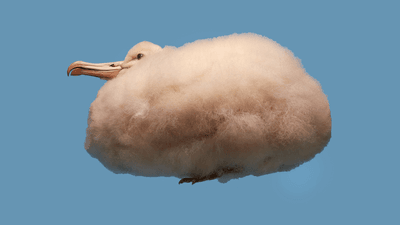


Birds are dinosaurs. That’s how the Natural History Museum, London kicks off its exciting new exhibition, Birds: Brilliant & Bizarre. From the very first Tyrannosaurus rex fossil dug up, through to the most peculiar adaptation of the dinosaurs’ only extant relatives, the exhibition displays the remarkable diversity of one of Earth’s most successful animal groups – including a majestic specimen of a candyfloss albatross chick that stopped IFLScience in our tracks.
You’ll get to meet the “wonderchicken” that lived just before the non-bird dinosaurs were wiped out, putting it among the oldest known modern birds. Plus, explore the incredible adaptations of birds using your nose, from stinky seabird eggs to the strangely sauna-like smell of hoopoe eggs, which are “painted” by the parents with a bacteria-loaded secretion to keep them healthy (possibly because they don’t clean their nests like other birds, the mucky pups).
Whoever you are, I would love for folks to come away [from the exhibition] thinking ‘I can do that, and help birds’.
Dr Jo Cooper, Senior Curator of Birds, NHM
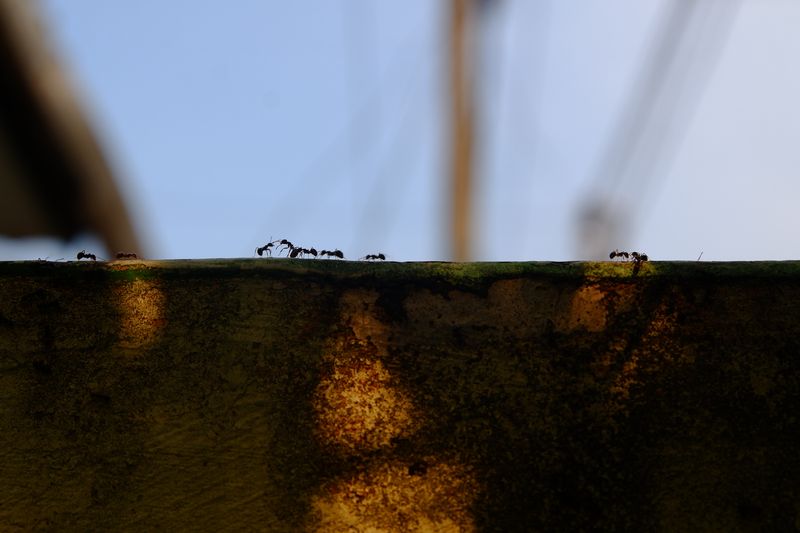
As well as seeing the many ways in which beaks have evolved to be the best fit for different birds’ lifestyle, you’ll see some of the curious ways they communicate and keep clean. From acid bathing with ants, to drumming cockatoos, you’ll leave the exhibition wondering if extant birds aren’t even weirder than their extinct dinosaur ancestors.
“Birds really are the ultimate survivors!” said Dr Alex Burch, Director of Public Programmes at the Museum, in a statement sent to IFLScience. “These seemingly familiar creatures who soundtrack Spring mornings and peck along the pavements carry with them an array of clever adaptations they have developed to secure their place on Earth.”
“There’s two key things that I would like people to take away from the exhibition,” Senior Curator of Birds Dr Jo Cooper told IFLScience. “One is that they find birds more amazing, and the feel more connected to them, but also, I’d like them to come away feeling like there’s something that they can do. Whoever you are, I would love for folks to come away thinking ‘I can do that, and help birds’.”
Want to check out Birds: Brilliant & Bizarre? Tickets can be booked online now.

 1
1