Nature
 PUBLISHED
 9
9


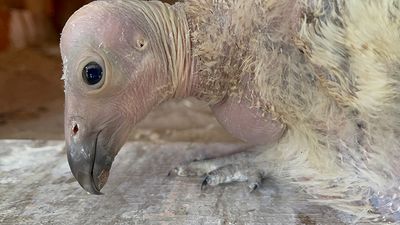


A record-breaking 17 California condor chicks have been hatched at Los Angeles Zoo in a huge boon for the critically endangered species. All of the chicks will be candidates for release into the wild as part of the wider California Condor Recovery Program.
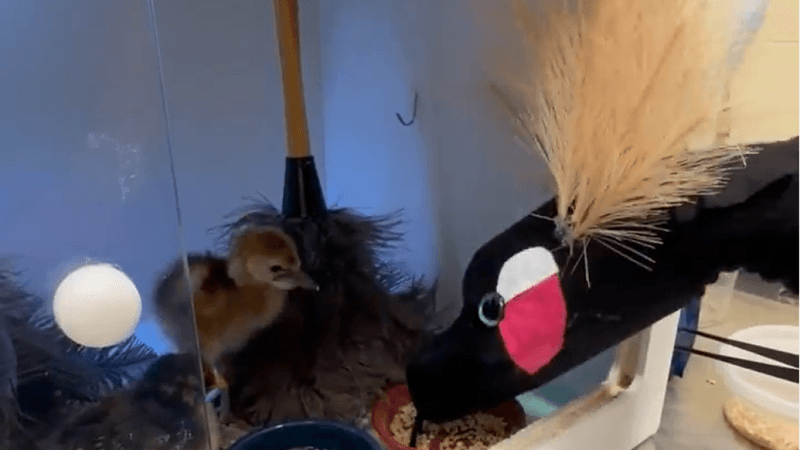
The feat was made possible by a new breeding technique developed at LA Zoo in 2017 where animal care staff placed two condor chicks with a surrogate mentor condor to raise the chicks.
This year, three chicks were raised at the same time by surrogate condors to maximize the zoo’s ability to raise condors. To further boost the bird’s reproductive abilities, the eggs are taken away from the parents for artificial incubation, enabling breeding pairs to produce more than one viable egg in a season.
California condors (Gymnogyps californianus) are a New World vulture and the largest land bird in North America with a wingspan of 2.8 meters (9.5 feet). Fascinatingly, there have been reported instances of them asexually reproducing through parthenogenesis without the input of a male.
They're known as nature’s clean-up crew; scavengers that only eat dead animals found on the landscape. They possess incredibly strong stomach juices that help to digest flesh, bones, and fur, and help them resist disease. Their role as scavengers is important to the broader ecosystem as they help to prevent disease outbreaks and release nutrients back into the environment.
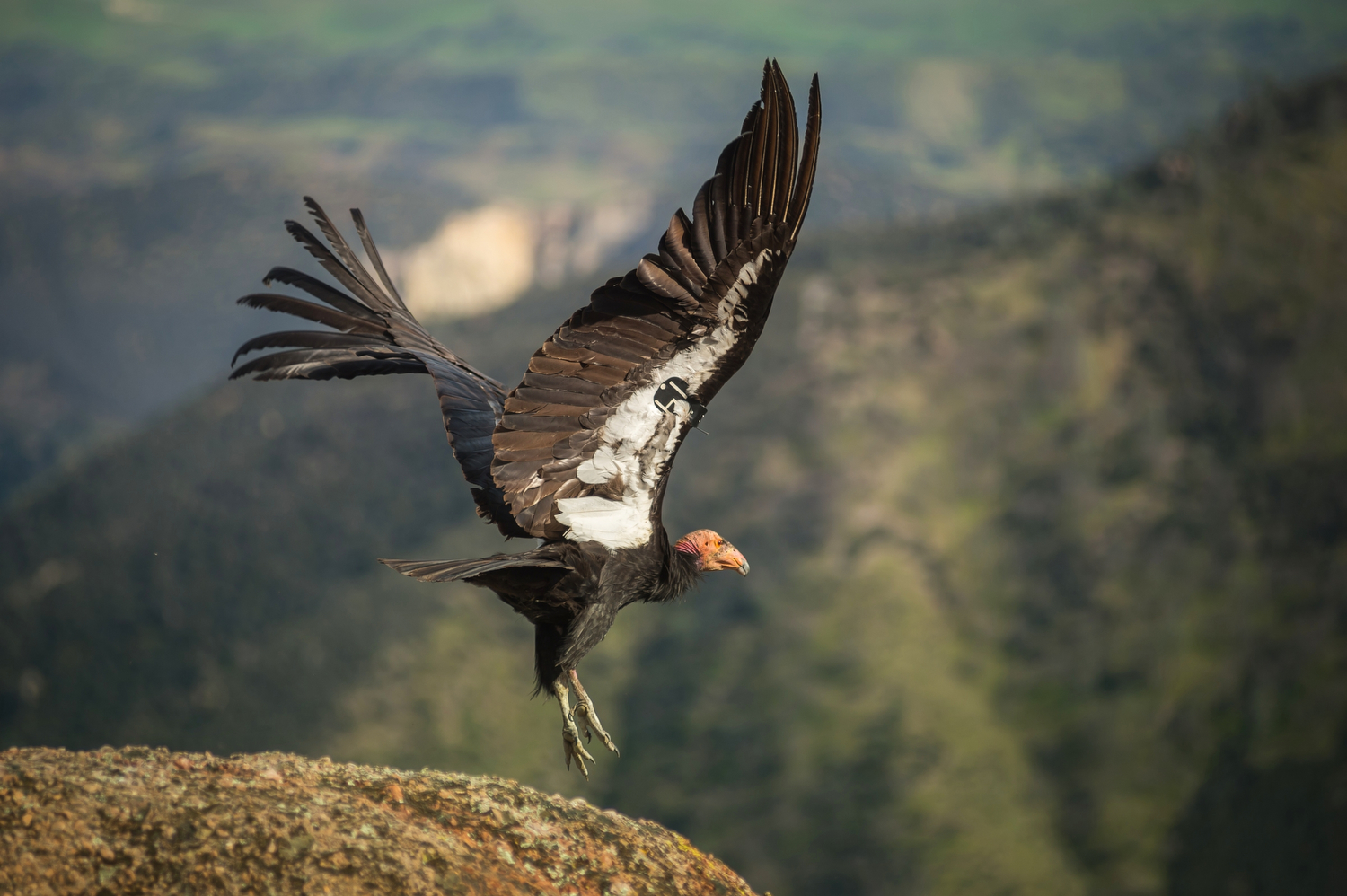
The species came unbelievably close to extinction in the 1980s. Just 22 California condors remained on the planet in 1983 and the species was declared extinct in the wild in 1987.
Habitat loss played a role in their demise, but a leading factor was lead poisoning from spent ammunition. Ingestion of human trash was another major problem, especially among the nestlings that are fed by their parents.
In a last-ditch attempt to save the species, the US Fish and Wildlife Service and the California Fish and Game Commission launched a captive breeding program with the help of LA Zoo – and it has proved fairly successful. According to the latest count, there are 561 California condors in the world, 344 of which are living in the wild.
“The L.A. Zoo has been an integral partner in the recovery of the iconic California condor since the inception of the program in the 1980s when the species was at the brink of extinction,” Denise M. Verret, Los Angeles Zoo CEO/Zoo Director, said in a statement.
“It is the cornerstone of the Zoo’s mission to save wildlife and an important example of a successful conservation partnership between zoos, government agencies, Indigenous peoples, and private organizations. We are proud to be able to make such a significant contribution to the preservation of nature,” said Verret.
The success hasn't come cheap, though. Over $35 million has been spent over the past two decades on the California Condor recovery project, making it one of the most expensive species conservation projects in US history.