Nature
 PUBLISHED


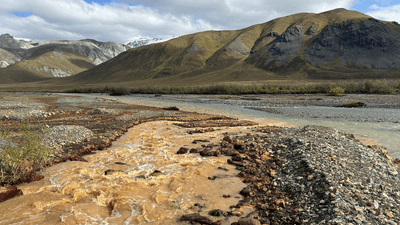


It doesn’t take a scientist to tell you that rivers aren’t supposed to be orange, but natural processes are doing just that to some of Alaska’s waterways.
As the climate increasingly warms and permafrost melts, minerals locked in frozen soils for millennia are leaking into nearby rivers and streams – to potentially disastrous effect.
When large areas of frozen terrain drain like this, it’s known as watershed. The phenomenon was the focus of a new study that found waters turning Alaska’s rivers orange were filled with more metals than you find in acid mine drainage. Basically, not an ideal situation.
Though preliminary investigations suggest the affected rivers have some resilience in terms of buffering pH, concern remains as to just how far these orange streams could be transporting toxic metals, and what that means for the future of the Arctic.
“This was a process that was not forecast, predicted or included in any assessment of how the Arctic will change under a warmer climate, but we’re seeing it in rivers across the Arctic,” said Professor Brett Poulin, a University of California, Davis, professor in the Environmental Toxicology department, in a statement.
“Since our 2024 paper, ‘rusting rivers’ have been documented in Boreal and Arctic Canada, and other parts of the world that have permafrost.”
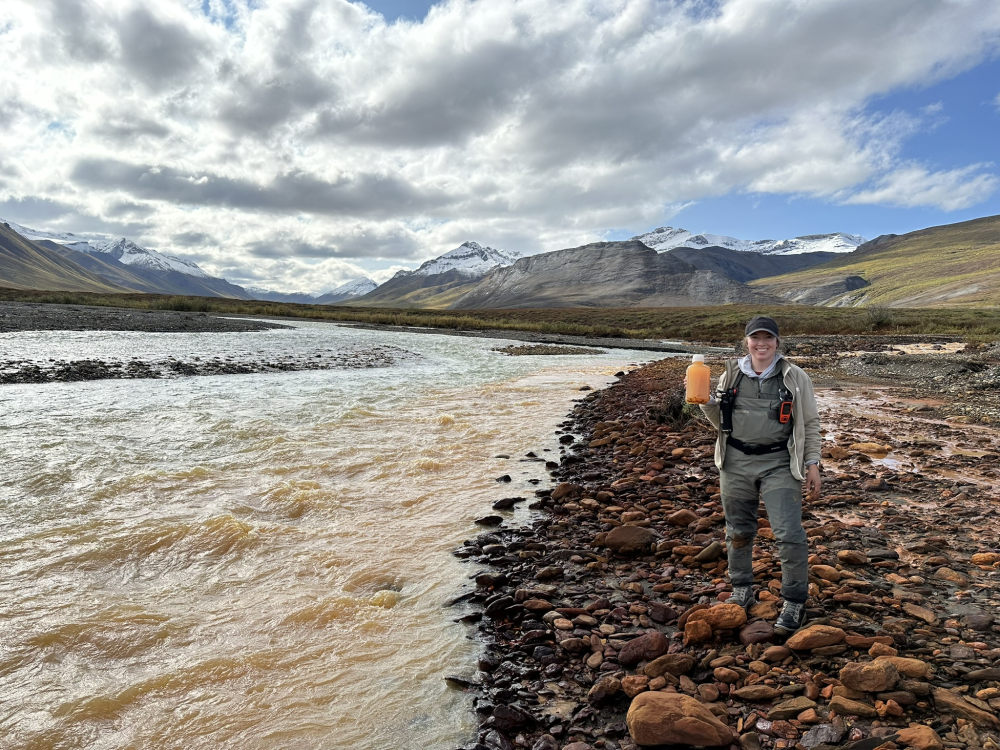
Poulin and colleagues’ latest research looked at samples from six watersheds across national parks in Alaska’s Brooks Range. By comparing these against historic water quality datasets, they were able to document the phenomenon’s rapid onset in 2019 when Alaska experienced its hottest summer to date.
It is thought that more than 200 rivers and streams are affected by this runoff, with some rivers recording metal concentrations 70 times higher up to 96 kilometers (60 miles) downstream from where it enters the river.
This intense warming was followed by a snowy winter, which you’d think would be a good thing. But you’d be wrong.
“When you have more snow, it insulates the soil, preventing refreezing,” added first author Taylor Evinger, a PhD candidate in Poulin’s lab. “We think water went deeper into the soil because of soil thaw, interacted with these minerals, and all of these watersheds were triggered around the same time.”
It’s thought that over 200 rivers and streams have been affected by these rusty watershed events, and given the forecasted temperature increases for the region, it’s likely this number will increase.
At time of writing, the authors say we have yet to see evidence of mass mortality events in affected ecosystems, nor any negative effects on drinking water for nearby villages, but the frequency of watersheds represents a concern we had not previously factored into our future.
“It’s a new reality of climate change,” said Evinger.
The study is published in the journal AGU Advances.