Health and Medicine
 PUBLISHED


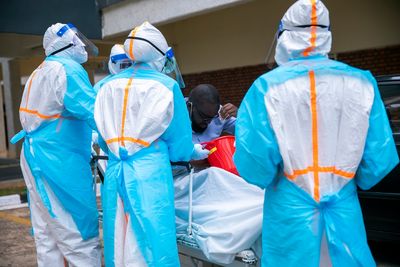


A strain of Ebola virus has caused 600 deaths from just 1,759 cases since it was detected in April.
The figures are from the World Health Organization and are almost a week out of date. Unlike the more common Zaire Ebolavirus strain, there is no existing vaccine against the Bundibugyo ebolavirus, and at a time when global health systems are more strained than they have been for decades, the world is ill-equipped to prevent a catastrophe.
What is Ebola and where has it been spreading?
Ebola, more formally known as Ebola Hemorrhagic fever, is caused by four related RNA viruses. The Democratic Republic of Congo (DRC) has had 17 outbreaks since it was first identified in 1976. An even larger outbreak in West Africa in 2014 killed more than 11,000 people and for a while had the world on edge. Public health officials learned a lot in the course of bringing that outbreak under control however, and a vaccine was developed.
Although outbreaks are becoming more frequent, many people assumed that now the vaccine was available, future outbreaks would never get as large again. However, the vaccine is only approved against the Zaire Ebolavirus, which has been responsible for most outbreaks in the past, although a vaccine against the Sudan Ebolavirus is undergoing trials.
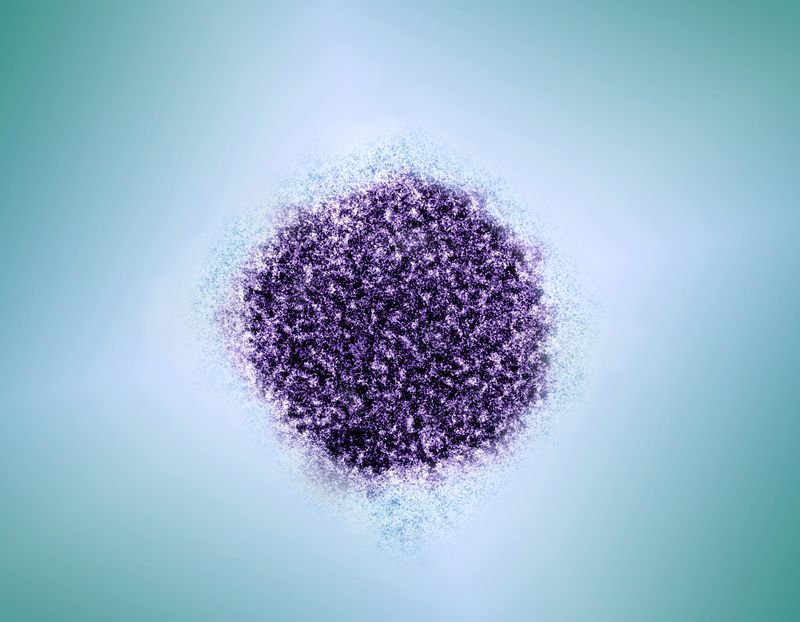
The re-emergence of the Bundibugyo virus, also known as BDBV, has caught the world unprepared.
Where was BDBV first detected?
BDBV was first detected in 2007 and again in 2012, with 37 deaths confirmed in the first case and 36 in the second. The fact that so many fewer people died in these outbreaks than in the larger Zaire outbreaks does not mean that BDBV is any less deadly, however. A quarter to half of those confirmed to have been infected have died.
With more than ten times as many people having died already in the current BDBV outbreak, Professor Nancy Sullivan of Boston University has asked if the world should have been more prepared, and how it can be in the future.
Sullivan argues that the first thing to go wrong was slow diagnosis. Ebola stands out from most other diseases in its fatality rate, but the specific symptoms look like more common diseases such as malaria and typhoid fever. Without portable testing devices like those now available for COVID-19 or Influenza, tests must be taken back to labs, which in the DRC and Uganda are remote from where the outbreak occurred near the border of those countries. Even when samples reach major cities, labs lack capacity.
"Delays in specimen collection, transportation and testing can postpone confirmation by days or weeks, which hinders the isolation of infected persons, contact tracing and the initiation of outbreak-control measures," Sullivan wrote. In the early weeks when the virus is spreading fast, speed is essential.
Meanwhile, little preparation has been done for tackling viruses that only emerge infrequently. A vaccine cannot be properly tested outside an outbreak, so it is inevitable that one was not available against BDBV, but groundwork that could have been laid was not.
More generally, although Ebola outbreaks start from animal sources, possibly bats or eating “bushmeat”, early cases usually include many health care workers when protective equipment is in short supply. Sullivan notes Ebola is named after a nurse who was among its first known victims.
“In settings characterized by political instability, population displacement, or distrust of governmental institutions, implementation of outbreak-control measures becomes substantially more challenging,” Sullivan writes. “These recurring lessons emphasize that a successful response to filovirus disease depends not only on medical interventions but also on social, operational, and behavioral factors.”
Lack of funds for personal protective equipment and waste management, and training in how to use both, are an ongoing problem in the world’s poorest nations. Disease control, therefore, relies on international agencies like the World Health Organization and donor countries.
With the United States' withdrawal from the WHO, and a sweeping reduction of USAID's global health programs, resources against diseases like Ebola have shrunk dramatically, while non-government organisations have been stretched further by an upsurge in wars and natural disasters.
Meanwhile, the world spent weeks focusing on the Hantavirus outbreak on a cruise ship, despite experts explaining the risk of a pandemic was low, taking attention away from the bigger danger.
There is hope, and evidence from animal and serum research, that the Zaire Ebolavirus vaccine may provide partial protection against BVDV, as may treatments such as monoclonal antibodies. Aggressive fluid and electrolyte replacement has proven effective in reducing the death toll for other recent Ebola outbreaks and is likely to help in this one as well.
While work continues on a BDBV-specific vaccine, Sullivan recommends randomized trials of the effectiveness of Zaire Ebolavirus treatments against BDBV, noting that these are hard, but not impossible, to perform under such circumstances. Looking forward, she writes; “As preparedness frameworks continue to evolve, consideration should be given to advancing the development of countermeasures for any pathogen that has shown the capacity to cause severe disease or death in humans, even when the perceived risk of future outbreak emergence is low.”
However, for this to work, resources have to be made available, and in the poorest parts of two of the world’s least developed nations, those will have to come from outside.
Sullivan’s review is open access in The New England Journal Of Medicine.


 1
1