Nature
 PUBLISHED
 1
1


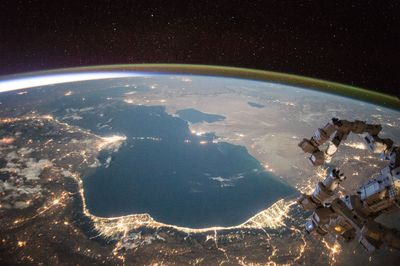


The Caspian Sea is dropping and revealing new islands to the world. In a recent discovery, Russian scientists have confirmed the presence of an emerging island in the world's largest inland body of water.
The Shirshov Institute of Oceanology, part of the Russian Academy of Sciences, said the new island is located in the Astrakhan State Nature Reserve around 30 kilometers (18.6 miles) southwest of Maly Zhemchuzhny Island in the northern end of the Caspian Sea, not far from the Russian coast.
The island was first detected on satellite images in November 2024, but a new expedition has confirmed its existence. The researchers hoped to make landfall on the new land, but they were put off by weather conditions and shallow waters around its edge.
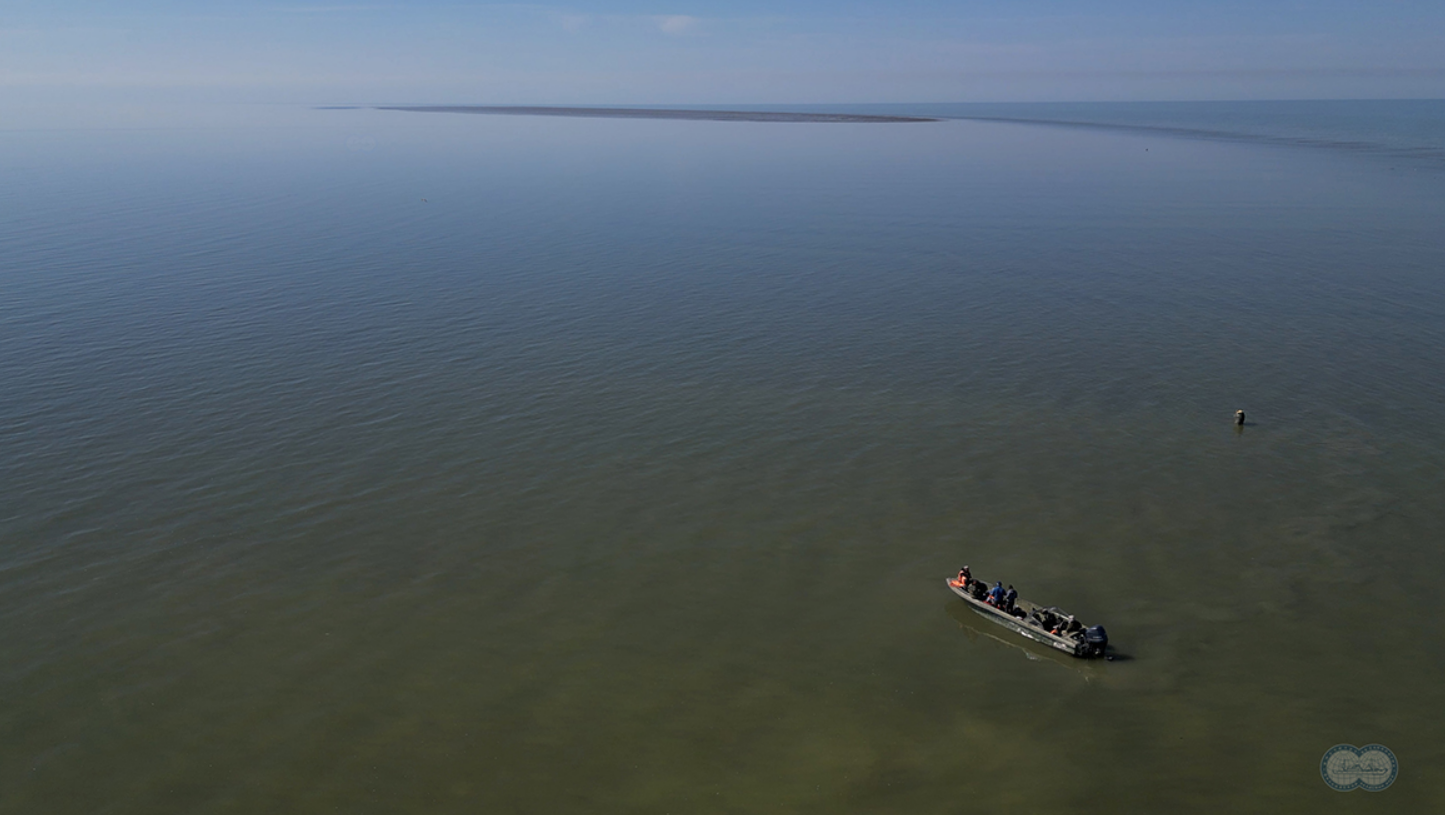
It’s likely that even more of the island could be revealed in the near future. The Caspian Sea is currently experiencing a period of maximum runoff from the River Volga, the longest river in Europe that flows through Russia and serves as the primary source of water for the Caspian Sea. When the Volga’s flow returns to normal or even low levels, water levels will drop, and the island’s elevation will appear to rise.
The Caspian Sea is the world's largest inland body of water. It has characteristics of both a lake and a sea; it's surrounded by land with no natural outlet, but it’s filled with salty water, not freshwater (although its salinity is only about a third of seawater's).
Water levels in the sea/lake have fluctuated over the past century, but they're now on a sharp decline. Studies have shown its waters fell by over 6 centimeters (2.3 inches) per year between 2002 and 2015, with declines as high as 30 centimeters (11.8 inches) per year measured since 2020.
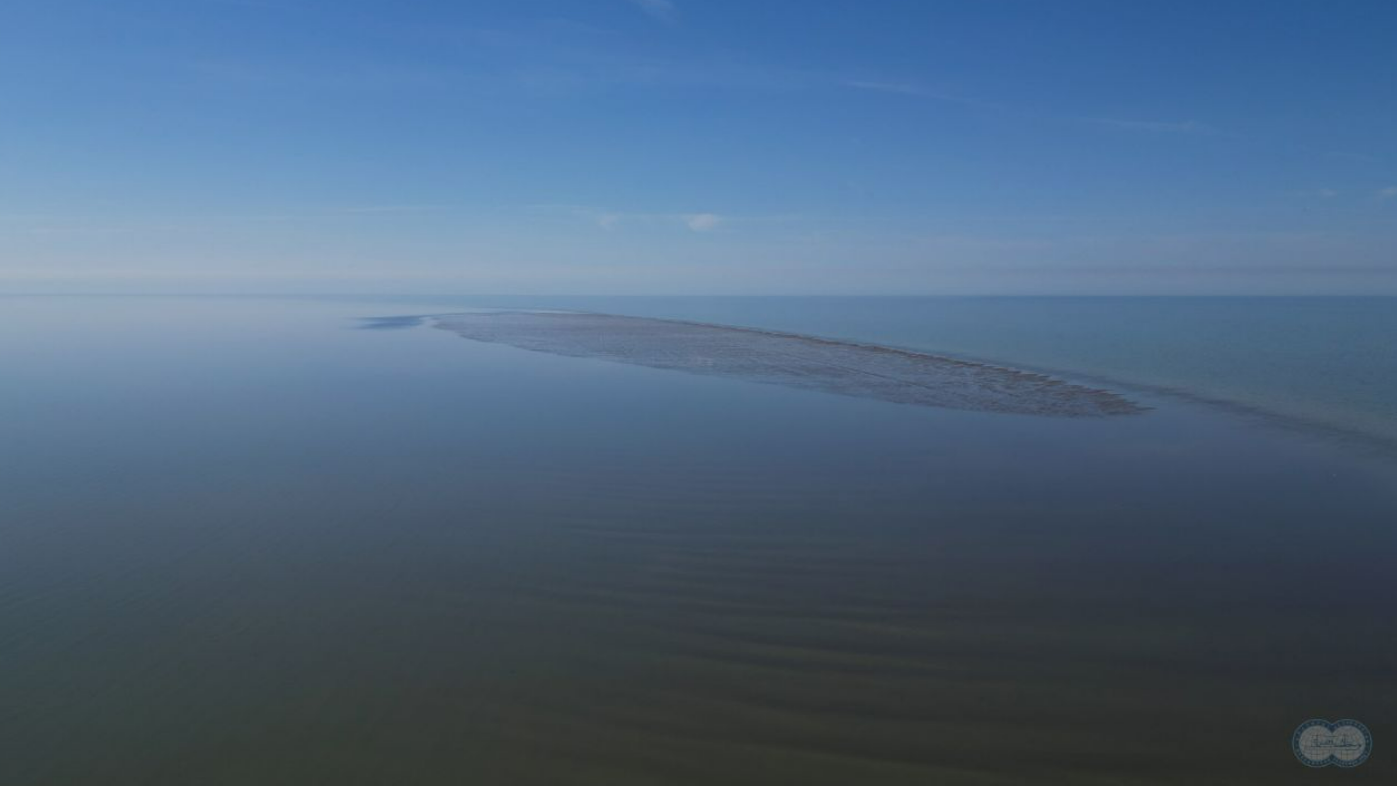
Climate change is expected to drive this downward trend even further, posing serious threats to both natural ecosystems and human infrastructure. The Caspian is home to unique and vulnerable species, including the endangered Caspian seal and six species of sturgeon, alongside hundreds of fish and invertebrate species found nowhere else. As water levels continue to fall, these species face an increasing risk of habitat loss and population collapse.
However, environmental change can also bring new opportunities. According to the Shirshov Institute of Oceanology, as the Caspian Sea continues to reduce, the newly discovered island could expand significantly in the coming years, potentially providing vital nesting grounds for rare bird species and the endangered Caspian seal.