Nature
 PUBLISHED





Tens of millions of years before the Ancient Egyptians erected their iconic monuments, the quarry from which they extracted their building materials was home to a crocodylian thought to be related to a living species of gavial.
New analysis of this extinct reptile has now revealed that it belonged to a completely different family which has been given a name after Horus, the Egyptian god of the sky.
Crocodile rocks
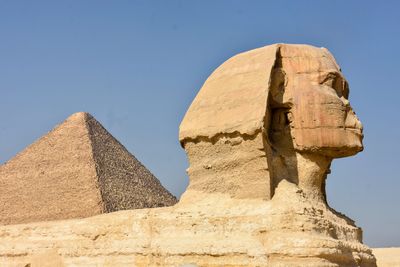
The Great Sphinx and the Pyramids of Giza were built from limestone rocks quarried from the nearby Mokattam Formation.
These rocks formed some 45 million years ago when Egypt was submerged beneath the prehistoric Tethys Sea. In the 1920s, researchers found a number of reptilian fossils within the formation, including the nearly complete skull of a gavial, which is a type of crocodile.
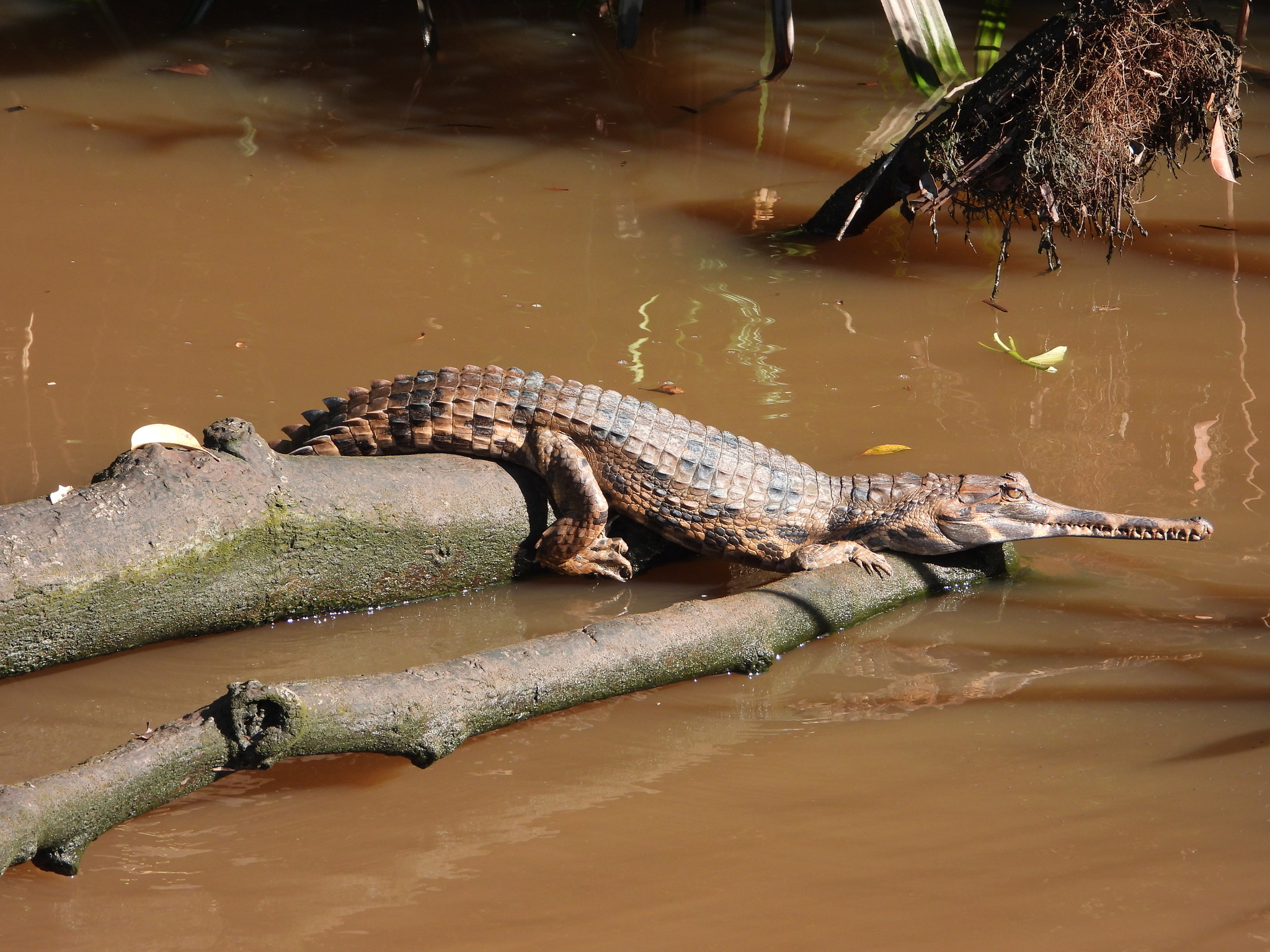
Known for their long, thin snouts, gavials are thought to have been widespread across Africa and Eurasia in the distant past, but are now represented by just two living species.
One of these belongs to the genus Tomistoma, and is found in Malaysia and Indonesia. Initially, the Egyptian fossil was considered to be another member of the Tomistoma genus, and in 1927 was named Tomistoma cairense in reference to the location of its discovery.
A croc with no nose
However, after analyzing the inside of the specimen’s skull using CT scanning, the authors of a new study have determined that the prehistoric gavial is in fact not a member of this genus.
Seeking a new name for the ancient fossil, the researchers noted that, like the Great Sphinx, the gavial skull is missing the tip of its nose.
“Given this coincidence with the famously missing nose of the Great Sphinx, we decided to name the new crocodile after the Egyptian god Heru, who was possibly the inspiration for this iconic monument,” said study author Professor Philip Mannion in a statement.
Also known as Horus, Heru was one of the most important deities in Ancient Egypt, and reigning pharaohs were considered to be his living incarnation on Earth. In honor of this mighty god, the extinct gavial species was named Herugavialis cairensis by the researchers.
“Throughout much of the last 50 million years, the Mediterranean region hosted a high diversity of crocodiles, including gavials,” says lead author Dr Paul Burke.
Yet an event known as the Missinian Salinity Crisis saw the Mediterranean Sea dry up around six million years ago, killing off all crocodilians in the region.
The study has been published in the journal Royal Society Open Science.