Nature
 PUBLISHED


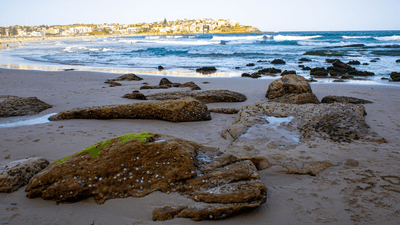


In 2024, a disaster began washing up on a stretch of Australia’s coastline. Sydney, famous for its golden sands and crystal waters at popular spots like Bondi Beach, had become a landing pad for poo balls.
It was first thought that the balls were tar, but analyses – including carbon-14 dating, mass spectrometry, elemental analysis, and microscopy techniques – revealed a much more disgusting composition. The balls contained traces of cooking oil, soap scum, hair, human fecal matter, veterinary drugs, blood pressure medication, PFAS (aka "forever chemicals"), and the psychoactive substances THC and methamphetamine.
For all our technology, sometimes the best test for a Big Nope is a good old sniff.
"They smell absolutely disgusting," Professor Jon Beves told 9News. "They smell worse than anything you've ever smelt."
"I wouldn't want to be swimming with them," added analytical chemist Professor William Alexander Donald.
You’re damn right, Prof Donald, so where did all these debris balls come from? It’s now believed that the source of the poo ball plague is Sydney’s ocean sewer.
It’s called the Malabar System, and it captures wastewater for disposal servicing around 2 million people in southwest Sydney. It did a fine job for a while, until a monster developed in its depths.
A huge fatberg said to be roughly the size of four buses, two blue whales, or a Boeing 737 (choose your fighter) has settled into the sewer. Made up of fats, oils, and grease, parts of the waxy lump were dislodged when there was a surge of sewage-pumping pressure, probably triggered by power loss or heavy rain. These fragments then formed balls that washed up on the beaches, to the misery of everyone.
The Guardian reports about 53 tonnes of gloop have already been removed, but the majority of the mass is out of reach. So, what next?
A $3 billion (just over $2 billion USD) plan hopes to tackle the problem over the course of a 10-year upgrade led by the New South Wales government. It aims to reduce how much wastewater goes through the system while also getting tighter controls on treatment and expanding education about how to safely get rid of fats, oils, and grease.
“Sydney is a rapidly growing city and no one wants to see debris balls washing up on our beautiful beaches again – but the truth is our wastewater system needs an upgrade to keep pace with the population,” said Minister for Water Rose Jackson in a release. “For too long, a lack of investment in essential infrastructure in Western Sydney has been a handbrake on our housing goals. We can’t undo that overnight, but we’re getting on with the job of clearing this backlog.”
Fats, oils, and grease are a nightmare for our drains, but did you know there’s a fun way to safely dispose of them?