Nature
 PUBLISHED


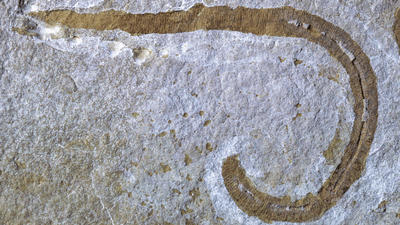


A remarkable fossil of a worm has been described, estimated to be around 425 million years old and marking the youngest species of its group to have been classified. The carnivorous burrowing predator was retrieved from Leintwardine in Herefordshire and has been named Radnorscolex latus by scientists at the London Natural History Museum.
Radnorscolex is thought to have moved along the seafloor like an accordion, using a set of sharp teeth and hooks on its head to anchor itself as it shuffled along. Its feeding mechanism has been compared to that of Dune’s sandworms, consuming anything unlucky enough to be in its path. What might that have included?
“Likely anything unfortunate enough to have been in the mud in front of it that it could fit down its throat,” said lead author Dr Richie Howard, Curator of Fossil Arthropods at the London NHM, to IFLScience. “So probably various small invertebrates including other smaller kinds of worms. Fossils from the Cambrian of Greenland and China show palaeoscolecid guts infilled with sediment, and trails of elongate clusters of fossilised faecal pellets associated with palaeoscolecids have been reported from the Ordovician of Morocco. This all suggests they ingested and pooped out a lot of mud in the search for prey!”
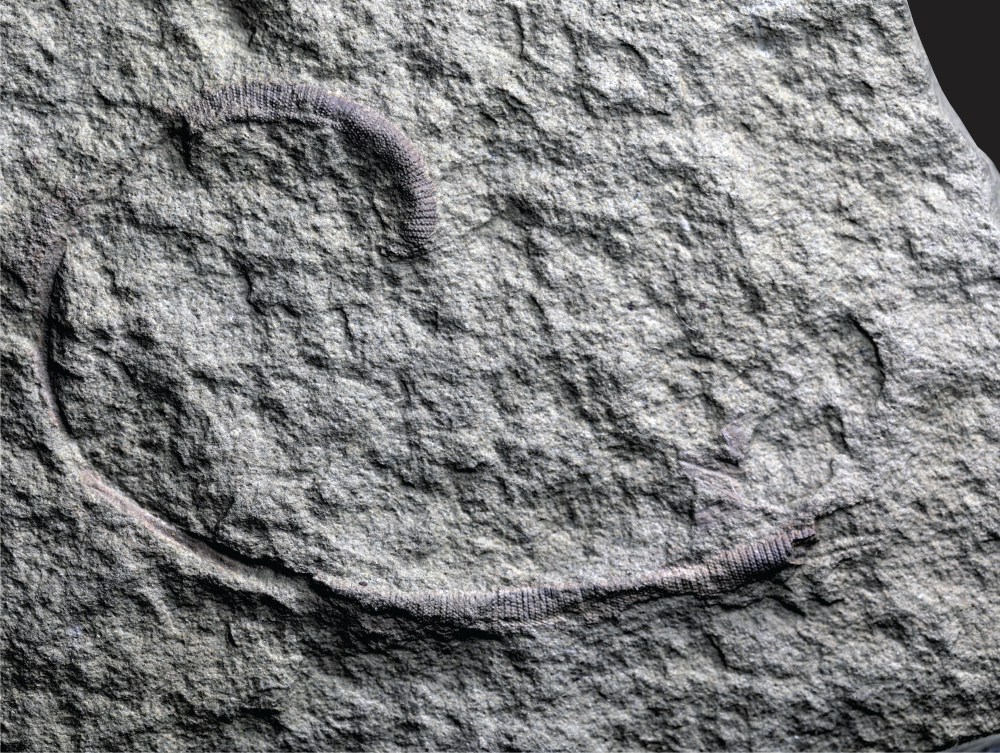
The description is new to science, but the fossil has been kicking around in museum collections for a while – retrieved sometime back in the 1920s from a disused Victorian quarry site in Herefordshire, UK. As for how a worm makes it into the fossil record in a way that’s still detectable 425 million years later, that all comes down to their armor.
“Palaeoscolecids are ecdysozoans – invertebrates with a tough cuticle made of chitin (like the exoskeleton of an arthropod),” added Howard. “As such, their skin was very tough and more recalcitrant to the forces of decay than say, an earthworm. Furthermore, ecdysozoans have to moult their tough cuticle periodically in order to grow, which increases the chances of their preservation as a fossil (i.e., one worm can produce multiple fossils throughout it’s life as it moults as well as an eventual carcass when it dies).”
It was studied at the time of its discovery, but without the advanced technology available in scientists’ arsenal today, the researchers of the time weren’t able to get to the bottom of what they were looking at. With the aid of advanced scanning technology, today’s team of scientists have been able to describe the worm and uncover clues about its position in the ecosystem. Turns out that Radnorscolex was remarkable even in its heyday.
“What we’ve found is quite rare in that we may be looking at today’s equivalent of a living fossil, but from the perspective of the Silurian,” explained Howard in a statement. “Like how we see coelacanths or horseshoe crabs today, groups which have been around for such a long time they exist as very ancient fossils but also show up as low-diversity groups relatively unchanged millions of years later in the present day.”
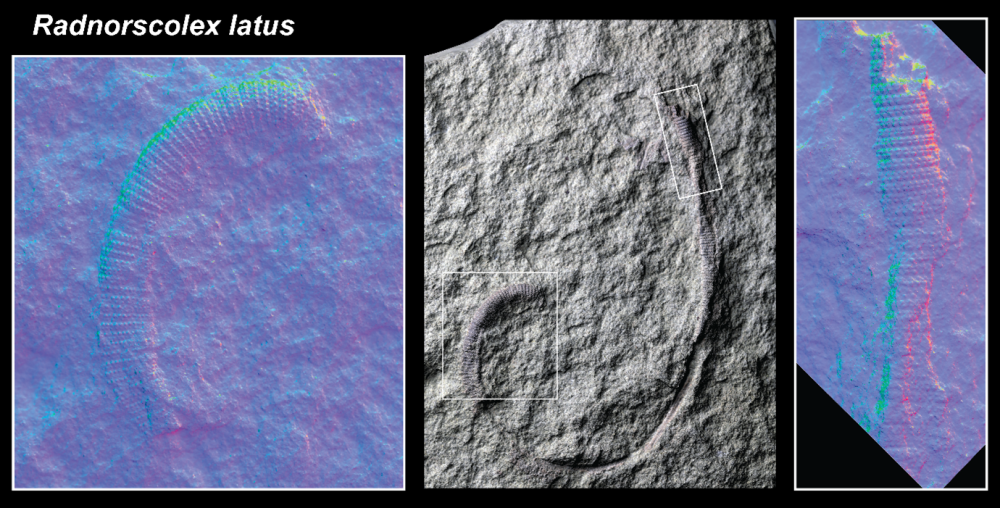
“We know this fossil was studied in 1920, but without the advanced technology we have today using state-of-the-art imaging techniques they weren’t able describe them as accurately and precisely as we can now. We hope this study lays the groundwork for the research people will do in the future on Silurian palaeoscolecids.”
The study is published in the journal Papers in Palaeontology.
This article was amended on May 23, 2024 to include original quotes received from the researchers.


 1
1