Health and Medicine
 PUBLISHED
 4
4





Patients across the world have been experiencing lasting symptoms after a COVID-19 infection, which we’ve come to know as long COVID. But an intriguing new study suggests that the actual symptoms they say they’re feeling can vary a lot depending on which country they live in, begging the question: why?
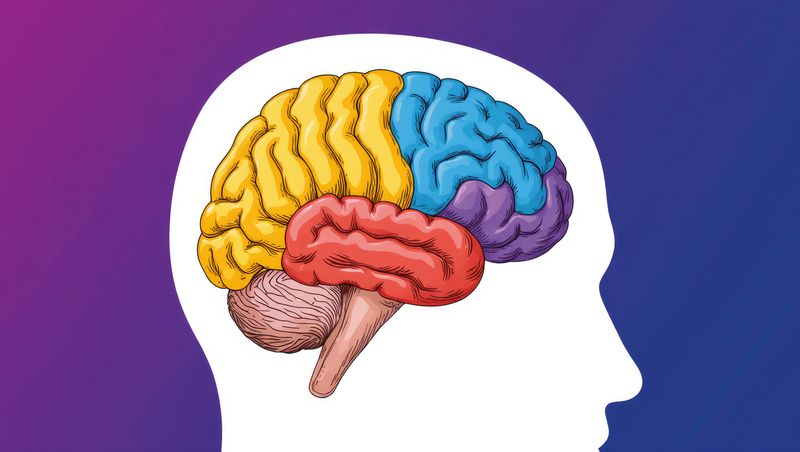
Brain fog is among the most feared and widely reported symptoms of long COVID. It’s a general term that typically refers to difficulties with concentration, memory, executive function, and processing speed. The result can be that patients find it difficult to complete everyday tasks, manage relationships, and participate in work or education.
We know that millions of people around the globe have been affected by long COVID, with symptoms persisting for months or years after an initial COVID infection – which may itself have been fairly mild. You might assume that means lots of people dealing with brain fog, but the surprising finding of the new study is that the proportion of people reporting this symptom varied massively according to geography.
The international team of researchers enrolled 3,157 participants and divided them into those who had been hospitalized with COVID-19 and those who hadn’t. All of them were experiencing lingering neurological symptoms. Participants were spread across four countries: the US, Colombia, Nigeria, and India.
Of the patients who were not hospitalized, 86 percent of those in the US reported brain fog. In Nigeria this dropped to 63 percent, and Colombia was similar at 62 percent. But in India, only 15 percent of patients listed this symptom.
The picture was similar when the researchers looked at anxiety and depression: 73 percent of patients in the US said they were experiencing these symptoms, versus 40 percent in Colombia, 17 percent in India, and just 6 percent in Nigeria.
The authors say that their study represents the first cross-continental comparison of neurological symptoms in long COVID.
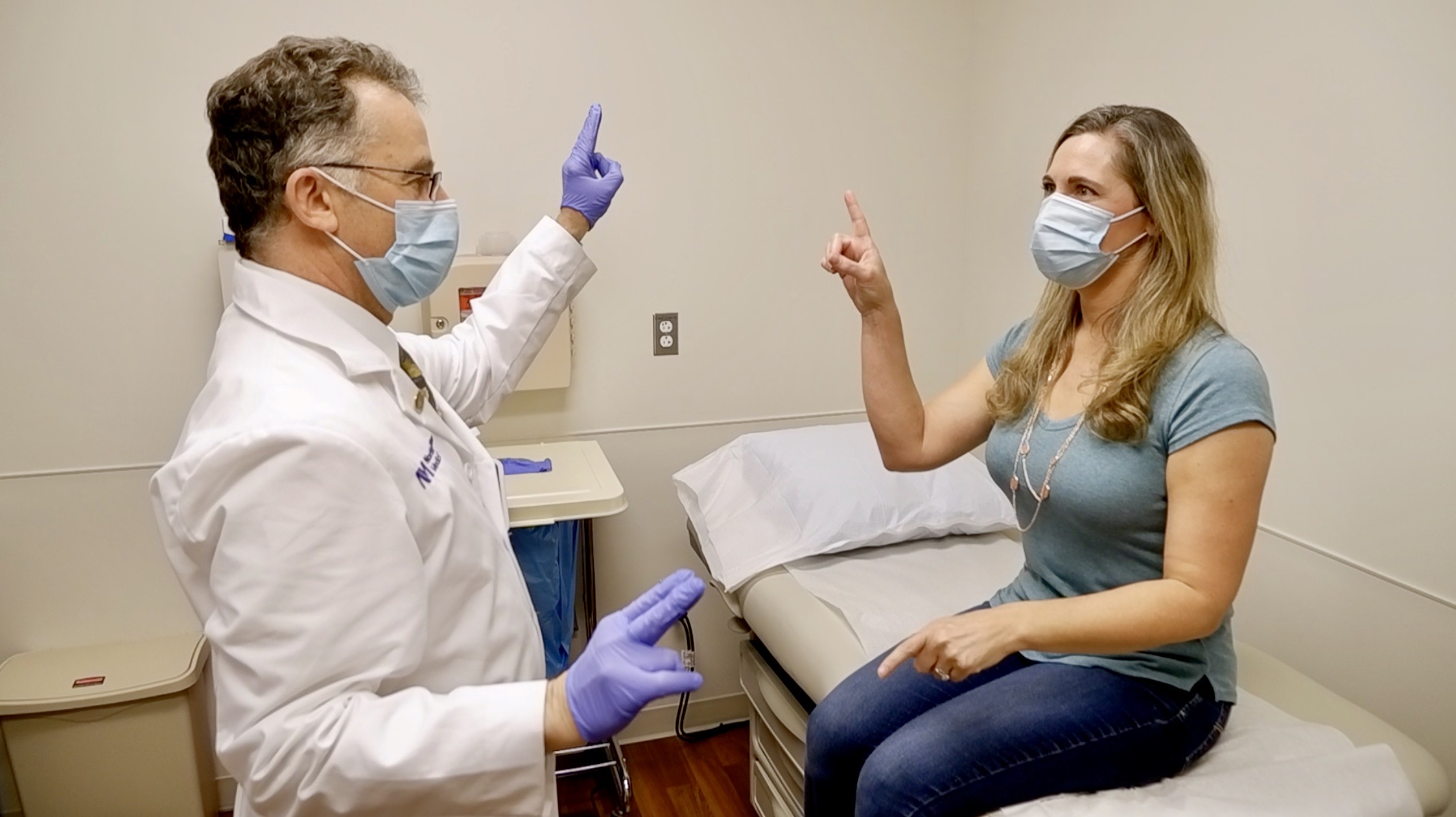
As to why such stark differences were found, the scientists aren’t suggesting that this means US long COVID patients have more severe illness than their counterparts in other countries. Rather, they believe it’s reflective of better access to healthcare and decreased stigma around psychological and cognitive issues.
In Nigeria and India, senior author Dr Igor Koralnik suggested in a statement, “Cultural denial of mood disorder symptoms as well as a combination of stigma, misperceptions, religiosity and belief systems, and lack of health literacy may contribute to biased reporting. This may be compounded by a dearth of mental health providers and perceived treatment options in those countries.”
The team are now trialing cognitive rehab programs that have been benefiting US patients in cohorts in Nigeria and Colombia, with the hopes of providing effective relief for long COVID patients. They also say that future work should include the development of culturally sensitive screening tools for long COVID, as well as improving long-term healthcare for these patients.
The study is published in the journal Frontiers in Human Neuroscience.