Nature
 PUBLISHED





The appendix gets a lot of bad press. Yes, occasionally it becomes inflamed and threatens our health, but which other organs can say they don't? Widely regarded as defunct or even useless, the fact you can live without one isn't in its favor, particularly when some species never had one in the first place.
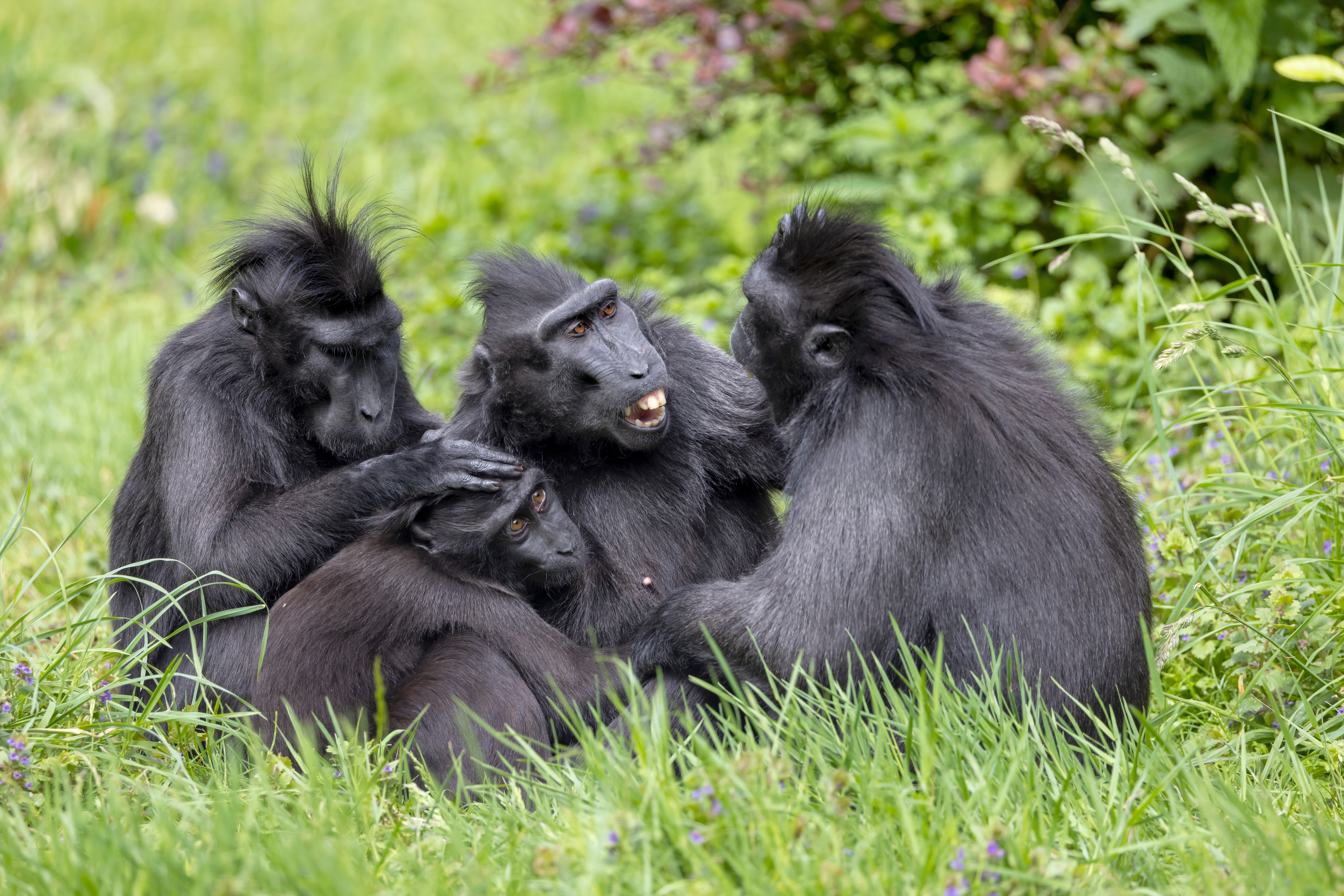
Perhaps unsurprisingly, many of our closely related cousins, the primates, possess appendixes. Rodents and lagomorphs, the taxonomic group that includes rabbits, have very important and active appendixes that serve as a crucial part of their hindgut digestive system, and they may even act as a reserve for bacteria that help break down vegetation. Here, however the story gets a bit weirder.
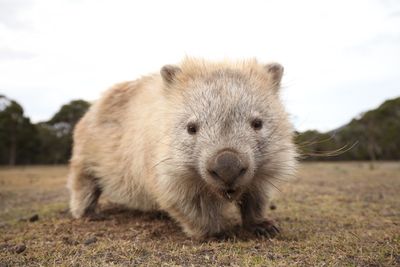
A study from 2017 looked at 533 mammal species and found that the appendix had evolved independently at least 29 separate times, and maybe up to as many as 41 times. Wombats, for example, also eat a high proportion of vegetation and possess an appendix.
Sometimes the organ appears similar in shape to a human one, known as vermiform, which is a sort of worm-like tube, but there is a lot of variation between species. Once evolved, it also shows a high tendency to stick around, very rarely disappearing from an animal lineage once established.
The study's results suggest that the species with an appendix possessed a higher than average amount of lymphoid tissue at the junction between the small and large intestines, in what is called the cecum.
This tissue is involved in the immune response and therefore strengthens the argument that, far from being useless, the appendix acts as a storehouse for helpful gut bacteria.
Some notable tidbits to come out of the research include that Madagascar's top predator, the fossa, lacks an appendix, and so does everyone’s favourite talpine, the star-nosed mole.
In primates, there is so much variation that even individuals of the same species can possess an appendix while others don't! And the animals many of us share a house with – cats and dogs – lack appendixes.
In those animals where the appendix is present, it seems to almost universally act as a resupply unit, keeping helpful microbes stored away for use in the gut. However, species that have evolved without such a supply aren't necessarily worse off, it just might take their human counterparts who have had their appendix removed a second longer to recover from disruptions to their gut microbiome.