Nature
 PUBLISHED
 5
5




Prepare to have your mind blown and your belief system shaken to the core.
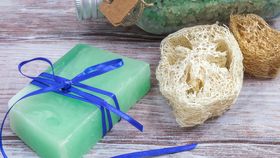
Next time you enter the bathroom, spare a thought for the most misunderstood shower accessory of all time: the loofah. As intimate as our bodies may become with this inanimate object, chances are you’ve been terribly misinformed about the origins of this strange scrubby thing.
As Buzzfeed pointed out, loofahs do not come from the sea at all. In fact, it is a gourd – just like a pumpkin, melon, squash, or cucumber – known as the Luffa aegyptiaca. Judging by the reaction to their article, they weren’t alone in learning this.
This member of the gourd family resembles a fat cucumber or courgette and grows in tropical climates. The young fruit is edible, although probably not particularly tasty. When it is fully ripened, it becomes strongly fibrous and inedible, hence its use as a bathroom scrubber.
So, don’t fall for the seashells and ocean patterns associated with the loofah. Whether it likes it or not, this scrubber is a land beast.

Humphrey/Shutterstock