Nature
 PUBLISHED


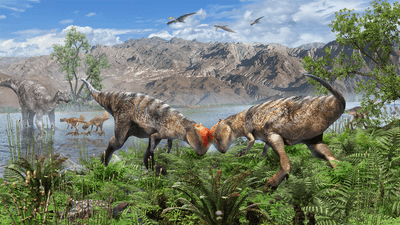


Scientists digging in Mongolia’s Gobi Desert have discovered a new species of pachycephalosaur. Normally, a new species would be exciting news enough, but this fossil is reshaping what we know about the history of these dinosaurs.
Having lived around 108 million years ago, the new-to-science species has pushed back the emergence of these dinosaurs by almost 15 million years. On top of being the world’s oldest pachycephalosaur, the specimen is also one of the most complete we’ve ever found. Alright, overachiever.
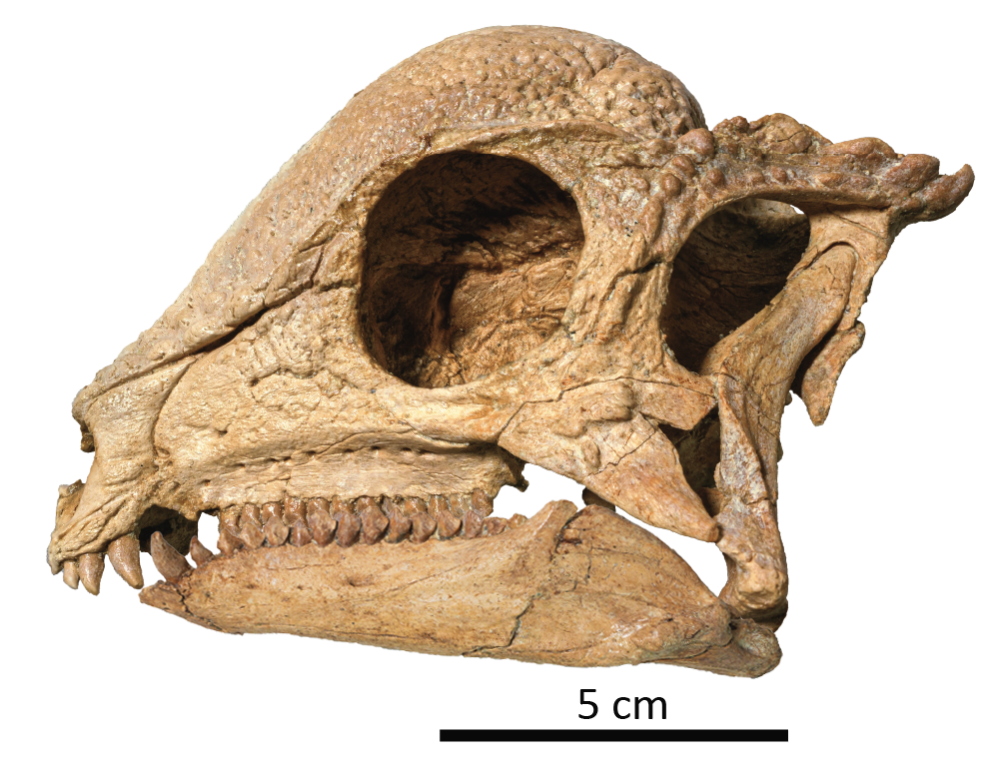
This A+ student has been named Zavacephale rinpoche, combining the Tibetan word zava (which means root) and Latin word cephal (which means head). The latter part, rinpoche, means “precious one” in Tibetan, a name inspired by the way its domed head appeared in the earth like a cabochon jewel.
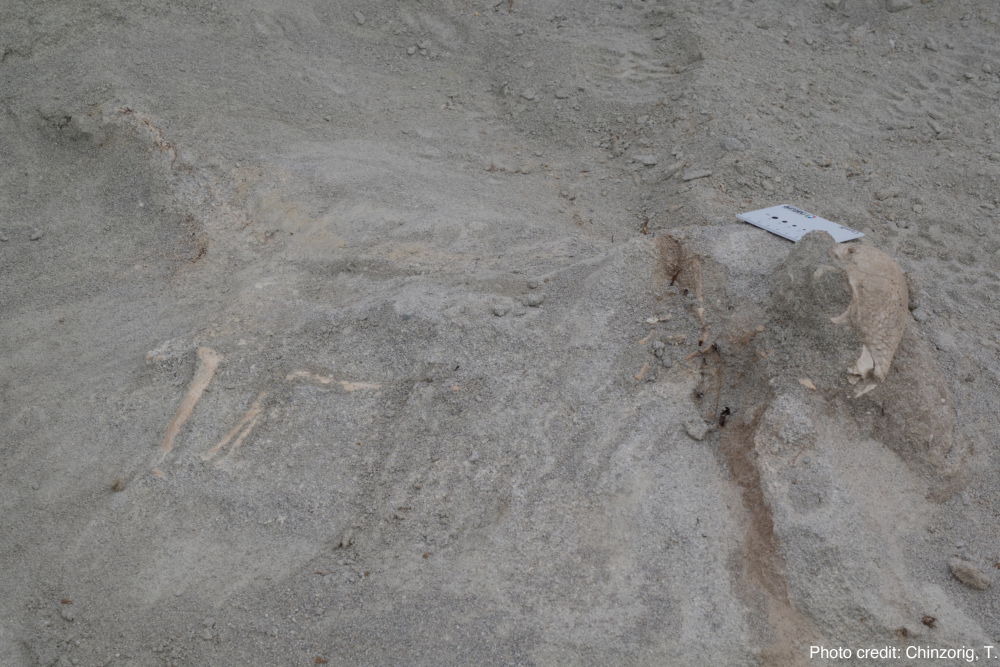
Jewel is about right, being a fossil that predates all known pachycephalosaur fossils found to date. Not by a slim margin, either, but by about 15 million years. Impressively old as it may be, it isn’t very big at around 1 meter (3 feet) long. So, does diddy mean young? It’s a good question.
“Pachycephalosaurs are iconic dinosaurs, but they’re also rare and mysterious,” said Lindsay Zanno, associate research professor at North Carolina State University, head of paleontology at the North Carolina Museum of Natural Sciences, in a statement. “[They] are all about the bling, but we can’t use flashy signaling structures alone to figure out what species they belong to or what growth stage they’re in because some cranial ornamentation changes as animals mature.”
“We age dinosaurs by looking at growth rings in bones, but most pachycephalosaur skeletons are just isolated, fragmentary skulls. Z. rinpoche is a spectacular find because it has limbs and a complete skull, allowing us to couple growth stage and dome development for the first time.”
All it took was a thin slice of Z. rinpoche’s lower leg bone to determine that this individual was just a juvenile when it died. That’s a little surprising given it already had a fully formed dome, but hey, practice makes perfect, right?
“The consensus is that these dinosaurs used the dome for socio-sexual behaviors,” said Zanno. “The domes wouldn’t have helped against predators or for temperature regulation, so they were most likely for showing off and competing for mates.
“If you need to headbutt yourself into a relationship, it’s a good idea to start rehearsing early.”
That makes this specimen special once again, as it can help us to better understand how this curious feature of pachycephalosaurs developed throughout their lives. Something it’s been tricky to find out much about because we’ve just not found the fossils yet. Mongolia’s Gobi Desert strikes again!
The study is published in the journal Nature.

 1
1