Nature
 PUBLISHED
 1
1


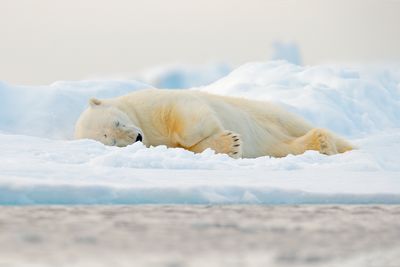


While polar bears (Ursus maritimus) live in some of the most remote and extreme environmental conditions in the world, that does not protect them from diseases that can spread thousands of miles. The contagious Highly Pathogenic Avian Influenza (HPAI) H5N1 bird flu strain has reached the North Slope Borough near Utqiagvik, one of the northernmost communities in Alaska, and for the first time, has killed a polar bear.
The body was found in October and the cause of death of the bear was confirmed in December by the Alaska Department of Environmental Conservation. “This is the first polar bear case reported, for anywhere,” Dr Bob Gerlach, Alaska’s state veterinarian, told the Alaska Beacon. Officials tested the animal’s body on December 6 and confirmed it had contracted the virus on the same day, according to the Independent.
The risk to humans of the bird flu virus is very low, however, the disease has killed millions of birds across North America including wildfowl and domestic poultry. The same strain of the disease is said to be spreading across much of Europe and Asia. The first reports of HPAI in the USA were recorded in January 2022. Also in 2022, a black bear cub was diagnosed with the disease in Bartlett Cove, Glacier Bay National Park where it was eventually euthanized after it developed seizures. Three foxes and a black bear have also died from the disease.
It is thought that the polar bear near Utqiagvik contracted the disease after it consumed infected meat from dead bird carcasses. According to Dr Gerlach, the cold conditions mean the virus can persist for a while after the death of the host. “If a bird dies of this, especially if it’s kept in a cold environment, the virus can be maintained for a while in the environment,” he said. The Guardian reports Gerlach believes there may have been more polar bear deaths but as they live in such remote places their bodies might never be reported.
The global population of polar bears is listed as Vulnerable by the IUCN Red List, and are the first animal listed on the US Endangered Animals Species to die from the disease. Polar bears are mainly under threat from diminishing sea ice due to climate change, but this latest development could suggest another very real threat to populations across the world.