


 Nature
 PUBLISHED


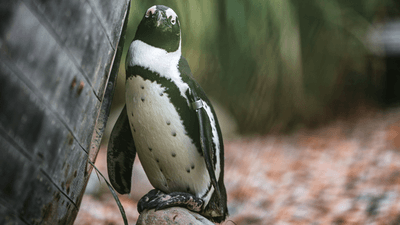


The African penguin (Spheniscus demersus) is critically endangered due to environmental changes and human activity, both of which have contributed to food shortages. Now, new research has found that plummeting fish stocks are putting these penguins in direct competition with fishing vessels.
The penguins are significantly more likely to be foraging in the same areas where fishing boats are operational in years when fish numbers are lower. The research provides a new way to quantify how African penguins are being affected by this competition called “overlap intensity”, and provides further support for no-fishing zones in the region.
African penguins feed on small schooling fish such as sardines and anchovies, but they’re also partial to crustaceans and squid. Unfortunately, those are all things humans like to eat, too.
This competition over resources is thought to have contributed to the 80 percent decline in African penguins in the last 30 years. That pressure diminishes an already reduced resource for the penguins, as changing environmental conditions have also led to more low-biomass years compared to the abundance that was once present along the southwestern coast of Africa.
The mounting pressure for these penguins meant they became the first in the world to be declared critically endangered by the International Union for the Conservation of Nature (IUCN) in 2024. It’s been estimated they could go extinct by as early as 2035, so it’s never been more critical to get a better understanding of the threats they are facing.
“We wanted a better way to assess how many penguins are potentially impacted when fisheries operate nearby, not just where the overlap occurs,” said lead author of the study, Dr Jacqueline Glencross from the Scottish Oceans Institute at the University of St Andrews, in a statement.
To do so, they gathered tracking data from penguins on Robben and Dassen Islands in South Africa. The results showed a sharp increase in overlap during food-scarce years, such as 2016, when as many as 20 percent of penguins were foraging in the same areas as active fishing vessels. In high biomass years, that number dipped to just 4 percent of penguins.
In being better able to quantify fishery-penguin competition, it’s hoped the results can lead to more effective management of marine protected areas by reacting to sensitive periods like chick-rearing accordingly. There have already been government-enforced no-fishing zones established in recent years, something these birds are in dire need of if they’re going to make it past that looming date of 2035.
“This research highlights why those closures are necessary,” said Glencross. “Previously unprotected areas with high overlap intensity are where the penguins were most at risk.”
The study is published in the Journal of Applied Ecology.


 1
1