Nature
 PUBLISHED


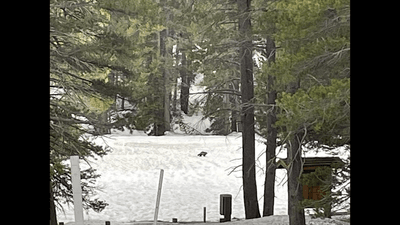


Quell all thoughts of Hugh Jackman, we’re talking about the small furry animals. While these creatures were once common throughout their native California, now only the second sighting of one in 101 years has been recorded.
Since the 1920s, it is thought that fur trapping and hunting has driven the species to near extinction within California. Now, wolverines are considered a threatened species in the state under the California Endangered Species Act. Various sightings from 2008 to 2018 in the Tahoe National Forest were thought to be the same individual; however, since the lifespan of a wolverine in the wild is thought to be around 12 or 13 years, experts suspect the latest sighting to be a new individual.
The animal has been spotted three times in total, twice in the Inyo National Forest and once in Yosemite National Park. Photographs taken in May were sent to the California Department of Fish and Wildlife, where experts confirmed based on features like size, shape, and movement that the animal was a wolverine.
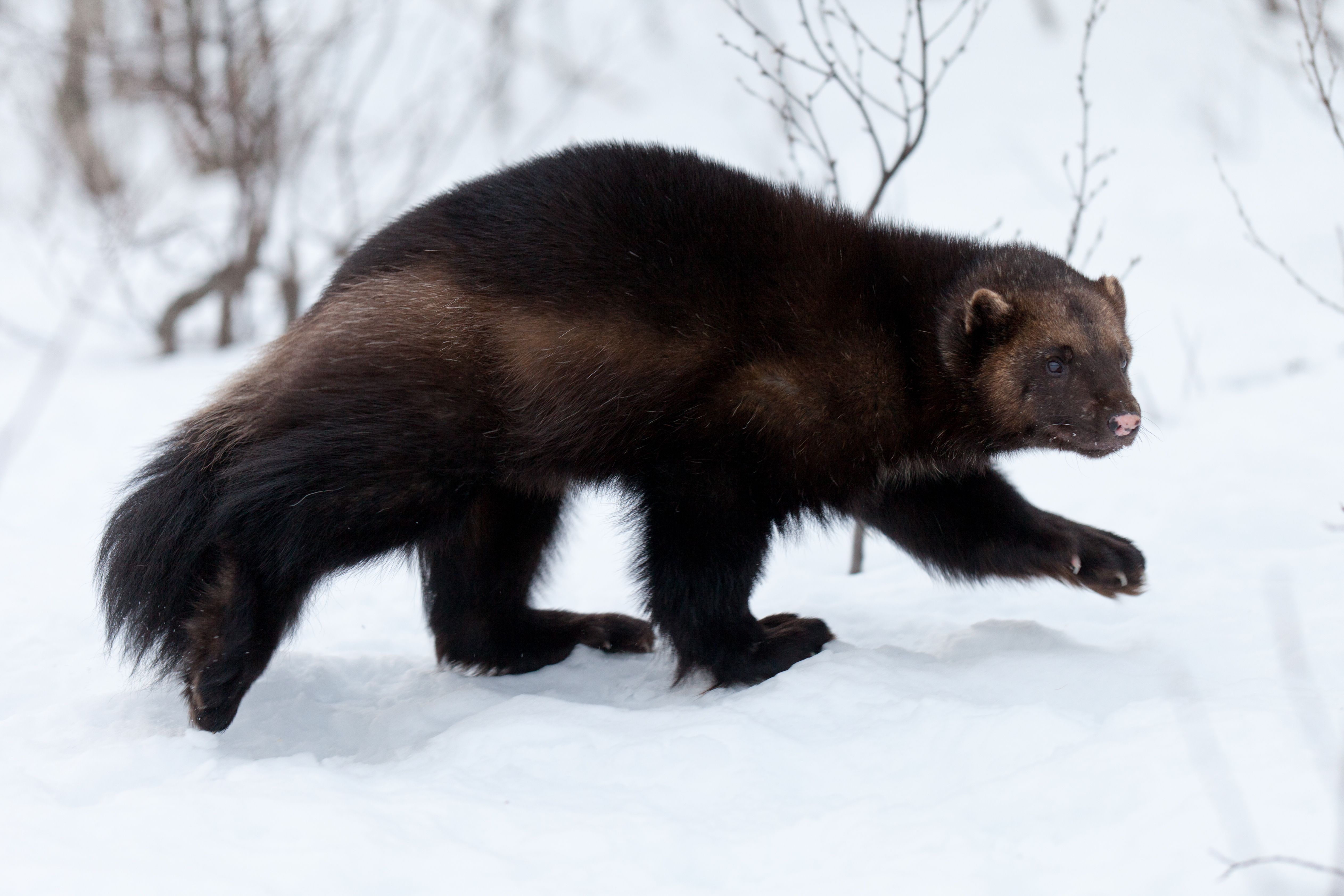
Wolverines are the largest land-dwelling members of the weasel family, and are typically solitary. They may travel as many as 24 kilometers (15 miles) in search of food, and have an opportunistic omnivorous diet of plants and berries as well as smaller rodents and rabbits.
“Wolverines can travel great distances, making it likely that the recent sightings are all of the same animal,” said CDFW Senior Environmental Scientist Daniel Gammons in a statement. “Because only two wolverines have been confirmed in California during the last 100 years, these latest detections are exciting.”
Wolverine populations are more robust in areas such as Alaska, Canada, and Russia because, according to the National Wildlife Federation, they require deep snow to birth and rear their young, which can be as many as five kits at a time. Their large paws allow them to stay on top of deep snow, and semi-retractable claws help them climb easily.