Nature
 PUBLISHED
 1
1


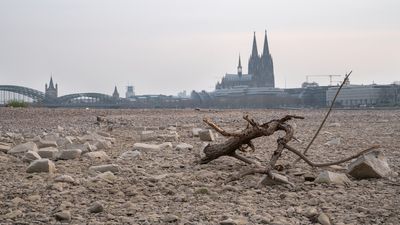


In decades to come, water scarcity is pitted to become one of the biggest problems facing the world. Shortages of freshwater are set to spring up across the world, fueled by unsustainable use, pollution, population growth, and runaway climate change. But could it really reach a breaking point where there’s simply no water left?
The short answer is no, the world will not run out of water. That said, it’s becoming increasingly apparent that freshwater will not always be available where and when humans need it.
There’s no risk that we’ll run out of salty seawater, which covers 70 percent of our world’s surface. The issue lies with freshwater, which we drink, bathe in, and use for agriculture. This stock of usable freshwater accounts for just 3 percent of the world’s water and the majority of it is locked away in ice or frozen glaciers.
It’s clear that climate change is increasing the frequency and intensity of droughts, a major factor in the world’s water scarcity crisis.

Intensified farming is also sucking up an unbelievable amount of water, with agriculture accounting for almost 70 percent of all water withdrawals. With the world’s population forecasted to rise over the next few decades, the demand for food – and therefore water – will also increase.
The crisis is already here for many. According to a 2023 estimate from the United Nations, 2 billion people globally do not have access to safe drinking water. That’s a quarter of the planet’s population.
Back in 2018, Cape Town provided a stark example of what the future might bring for many cities. After years of unsustainable water use, poor management, and climate change, the South African city was told it could potentially run out of water in a matter of months. Amid warnings of taps literally running dry, residents were told to cut their water consumption, take short stop-start showers, not wash their cars, and flush toilets as little as possible.
Fortunately, "Day Zero" – the date when the city was forecasted to literally run out of water – was narrowly averted, but Cape Town’s predicament could be a sign of things to come for other parts of the world.
In recent research, a number of major cities have been identified as potential hotspots of water scarcity, including London, Tokyo, Miami, and Moscow. As ever though, it will be poorer communities and less wealthy parts of the world that will bear the brunt of the problem.
As the world becomes more desperate for water, we’re bound to see some profound social and geopolitical changes in human life. Researchers have noted that climate change and water scarcity are set to increase the risk of water conflicts, in which states and groups fight for access to water. Similarly, it’s estimated that 700 million people could be displaced by intense water scarcity by the end of this decade, leading to massive shifts in global migration.
While it’s unlikely to reach a point where all the taps in the world will run dry, the world’s water woes are likely to get very messy in the years to come.