Health and Medicine
 PUBLISHED
 1
1


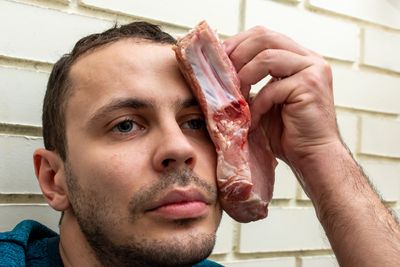


To paraphrase Benjamin Franklin, nothing’s certain in life except death, taxes, and TV characters thinking raw meat is the ultimate cure for a black eye. It’s not just the cartoon ones either – the steak-on-a-black-eye trope can be found in many a live-action movie and show. But… why? Where does this idea come from, and does it actually work? Spoiler: no. It does not.
A few theories are floating around as to how the so-called Beef Bandage became such a favorite of screenwriters. The most obvious seems to be that the meat acts as a convenient and flexible cold compress. Applying something cold to a bruise or swelling is a perfectly legitimate treatment in the early stages of healing, as it helps with the pain and inflammation.
Some have suggested that in the days before home freezers, a cold piece of meat was used to avoid having to chip off pieces of the valuable ice blocks that were used to preserve food.
It’s also possible that this method of wound healing dates way back to a time before TV, when the height of entertainment was making jokes about prostitutes’ involvement in large infrastructure projects. There’s evidence from ancient Egyptian medical texts that some physicians back then may have used raw meat to help stop bleeding.
But just as we’ve left bloodletting and arsenic microdosing in the past, might we suggest a nice medical ice pack or even just some ice cubes wrapped in a clean towel, as opposed to slathering meat juice all over your face?
Even really good steak can harbor bacteria on its outer surface, such as E. coli, and if that gets in your eyes you could be looking at a nasty infection.
“Steak is best on the grill, not on your face,” says ophthalmologist Adrian Elfersy of Charlotte Eye Ear Nose & Throat Associates on their website. Instead, try applying clean cold compresses for 10 minutes at a time every hour or so for the first day. Then, you can switch to warm compresses until the swelling has gone down.
Black eyes can usually be managed at home without a selection of random items from the refrigerator – but as Elfersy says, if you’re in any doubt as to the seriousness of the injury you should seek medical advice sooner rather than later: “They’re your eyes. There’s no need to play hero.”
In closing, it would be remiss of us not to mention one real medical use of raw meat. Beware: this one’s not for the faint of heart.
When unlucky humans become infected with botfly larvae, a disease called furuncular myiasis, there’s one traditional – but maybe to some, unconventional – method of getting the troublesome little critters out. Applying a slice of bacon, or slathering pork fat over the skin above where the larvae are buried, can coax them out far enough to be safely removed.
That’s something you know now. You’re welcome.
All “explainer” articles are confirmed by fact checkers to be correct at time of publishing. Text, images, and links may be edited, removed, or added to at a later date to keep information current.
The content of this article is not intended to be a substitute for professional medical advice, diagnosis, or treatment. Always seek the advice of qualified health providers with questions you may have regarding medical conditions.