Nature
 PUBLISHED
 10
10


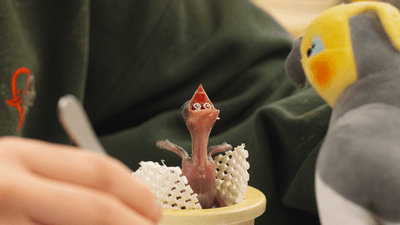


Gaze into the mouth of a crested coua chick and you’ll see what look like strange eyes peering back at you. These markings are species-specific, acting like a kind of target the parent bird can aim for. It's a handy way to find hungry mouths, but it also ensures they don’t wind up feeding someone else’s offspring.
In March 2026, Fort Worth Zoo in Texas hatched its first crested coua (Coua cristata) chick in the zoo's history. It was a rare opportunity for zookeepers to get an up-close look at these remarkable baby birds, including an opportunity to show off the targets inside their mouths.
“The targets help with ‘nest parasitism’ where another bird species tries to get the ‘foster’ parents (couas) to raise their chick for them,” said assistant curator of birds Shelly Collinsworth to IFLScience. “With targets, parents will only feed their own chicks that have the species-specific markings in their mouth.”
Nest parasitism, also known as brood parasitism, is a reproductive strategy in which a bird lay its eggs in the nest of another species. This is beneficial because it means the parasite can foist the costs of parenting onto someone else. That is, unless it chooses a coua nest.
Couas will only feed chicks that have specific markings in their mouths, making them identifiable through a kind of oral fingerprint. It means any unrelated offspring will go hungry. A rough deal for the abandoned chick, but it’s a smart way to conserve resources for the couas.
The nine species of coua are all native to Madagascar and belong to the cuckoo family, which is (in)famous for its parasitism. As well as competing for resources, parasitic chicks can eject or destroy native eggs, reducing the reproductive success of their hosts. It’s easy to see, then, why it pays off to develop a way of identifying your young above others.
Fort Worth Zoo’s latest additions are being enrolled into a cooperative effort to establish a sustainable population of these birds in captivity.
“In addition to this being a unique, attractive and interesting bird in an aviary for guests to observe and learn about, there is a cooperative breeding effort among North American zoos for crested couas that the Fort Worth Zoo supports by breeding genetically diverse and healthy birds of this species needed to maintain a healthy population,” said Collinsworth.
As avian warfare goes, you've got to admit it's a pretty classy response.
Correction (May 19, 2026): The article previously stated that Fort Worth Zoo was located in Dallas, Texas. This has been corrected.