Nature
 PUBLISHED
 2
2


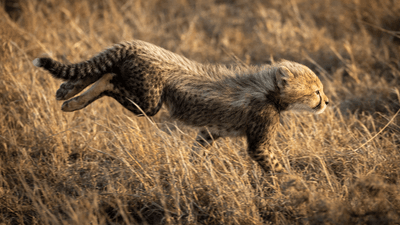


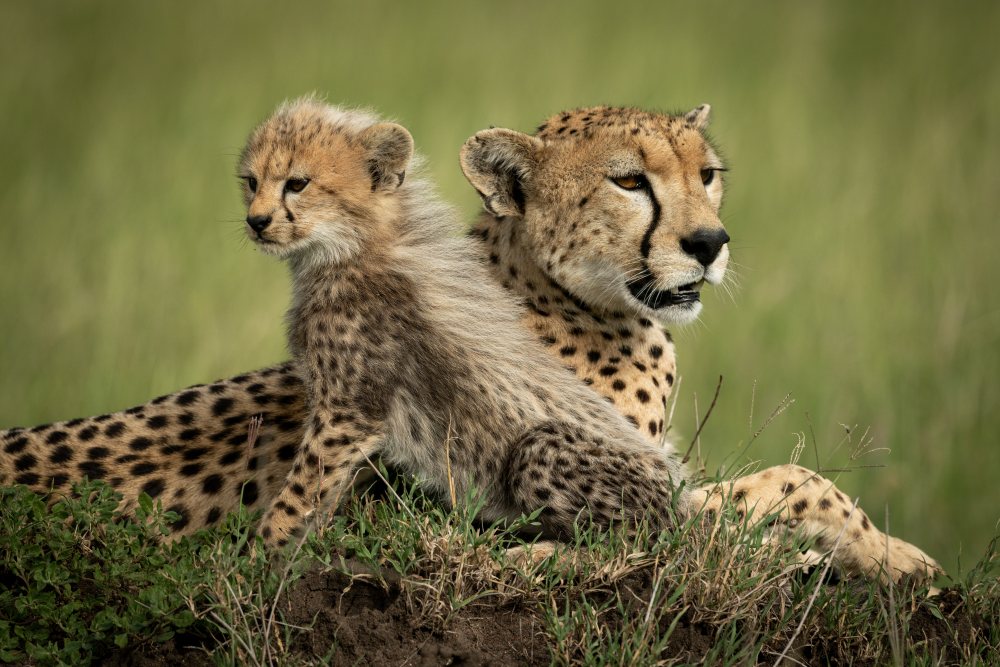
If you were to see a family of cheetahs, say three cubs and a mom, you might notice something strange (that is, once you’ve stopped cooing, you pathetic human). While mom sports that classic cheetah aesthetic of sleek fur with a spotted pattern, her babies look… different.
In a clip from National Geographic’s Cheetahs Up Close, wildlife filmmaker Bertie Gregory explains that 95 percent of cheetah cubs don’t make it to adulthood. It’s a rough statistic, but one they may have adapted to in a really adorable way.
Compare a cheetah cub to its mom and you’ll notice a few key differences. The babies have a darker coloration on the legs and belly, and a mohawk of lighter, spiky fur known as a mantle. You know who else sports a similar racing strip? The honey badger.
In the WWE of African savannah animals, it could be said that the honey badger is the ultimate underdog. In fact, Ryan Reynolds did say it when he chose the honey badger as the most inspirational in his NatGeo series, Underdogs.
“I like the honey badger because it can take a licking and keep on ticking,” he told IFLScience. “It’s the Cassio of mother nature and it is almost indestructible.”
“I don’t know why we go with these silly superheroes like Wolverine when you have the honey badger – that also happens to be part of the same weasel family, but it’s indestructible. I think we missed something here. I feel like we really missed an opportunity and I’m going to talk to Marvel about this later today (on the call that they won’t take).”
Marvel franchises aside, it’s true that honey badgers rather seem to refuse to die. Documentaries and videos online have shown how they endure (albeit without much dignity) dangerous encounters with antelope, African wild dogs, and elephants. And who could forget the legend of Stoffel, the captive honey badger who refused to be contained.
In the hierarchy of easy lunches, a cheetah cub is a considerably more appetizing choice for predators. The honey badger is small enough to be killed by things like lions and hyenas, but given it’s considered a strong candidate for the world’s most aggressive animal, you can understand why they don’t always bother.
It’d be a smart move, then, to evolve babies that mimicked the appearance of such a ruthless creature. This is what’s known as Batesian mimicry, where something harmless wears the warning signs of something dangerous as a form of defence.
The cheetah's honey badger cosplay doesn’t last forever, though, as the mantle starts to shed at around three months of age. By six months old, they’re looking like adults and about half their potential size, reaching full independence by 18 months old. At which point they trade costumes for a different kind of superpower: world-record speed.