


 Humans
 PUBLISHED


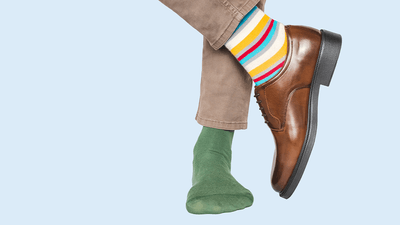


Neanderthals had more robust heel bones than we do, and while genetics probably accounted for much of this difference, modern lifestyle factors may be at least partially responsible for our uniquely gracile feet. In particular, wearing shoes and remaining sedentary for much of our time appear to be associated with a less Neanderthal-like foot design.
Walk a mile in their shoes
Researchers compared the morphological characteristics of seven Neanderthal heel bones – or calcanei – with those of 64 prehistoric and modern Homo sapiens, including Pleistocene hunter-gatherers, Iron-Age farmers and postindustrial individuals from Italy. Overall, they found that the Neanderthal calcanei were shorter from front to back, taller from top to bottom, and wider than those belonging to members of our own species.
These adaptations allowed the Neanderthal foot to roll and tilt from side to side more easily, thus supporting the bulky bodies of these highly mobile hominins as they walked across uneven terrain. The trade-off, however, is that such a calcaneus may have been less suited to long-distance running, suggesting that Neanderthal hunting strategies may have relied less on endurance running and more on walking.
If the shoe fits
Interestingly, however, Homo sapiens heel bones from populations that existed before the invention of shoes had much more in common with the Neanderthal calcaneus than present-day Italian heels do. For instance, the study authors found that the width and height of the Neanderthal heel did not differ from that of human hunter-gatherers or Iron-Age communities that walked barefoot, but were considerably misaligned with those of postindustrial Europeans.
Based on the morphological features observed in each of these populations, the researchers suggest that modern-day human feet are probably less capable of rolling from side to side than our ancient ancestors’ kickers were. This change, they say, is “consistent with the use of rigid footwear that tends to constrain rearfoot eversion.”
Big shoes to fill
Before blaming the whole thing on shoes, however, it’s worth pointing out that Neanderthals had a different body shape to modern humans, with stockier frames and heavier loads. A less dainty foot is therefore to be expected in this extinct hominin, and the study authors do point out that ancestry, environment, nutrition and a range of other factors are likely to have contributed to heel bone morphology in both Neanderthals and modern humans.
However, taking into account the more Neanderthal-like feet of barefoot human hunter-gatherers, the researchers ultimately conclude that “more gracile calcanei characterize sedentary, postindustrial populations – likely due to footwear use and reduced mobility on the landscape.”
The study has been published in the Journal of Human Evolution.


 2
2